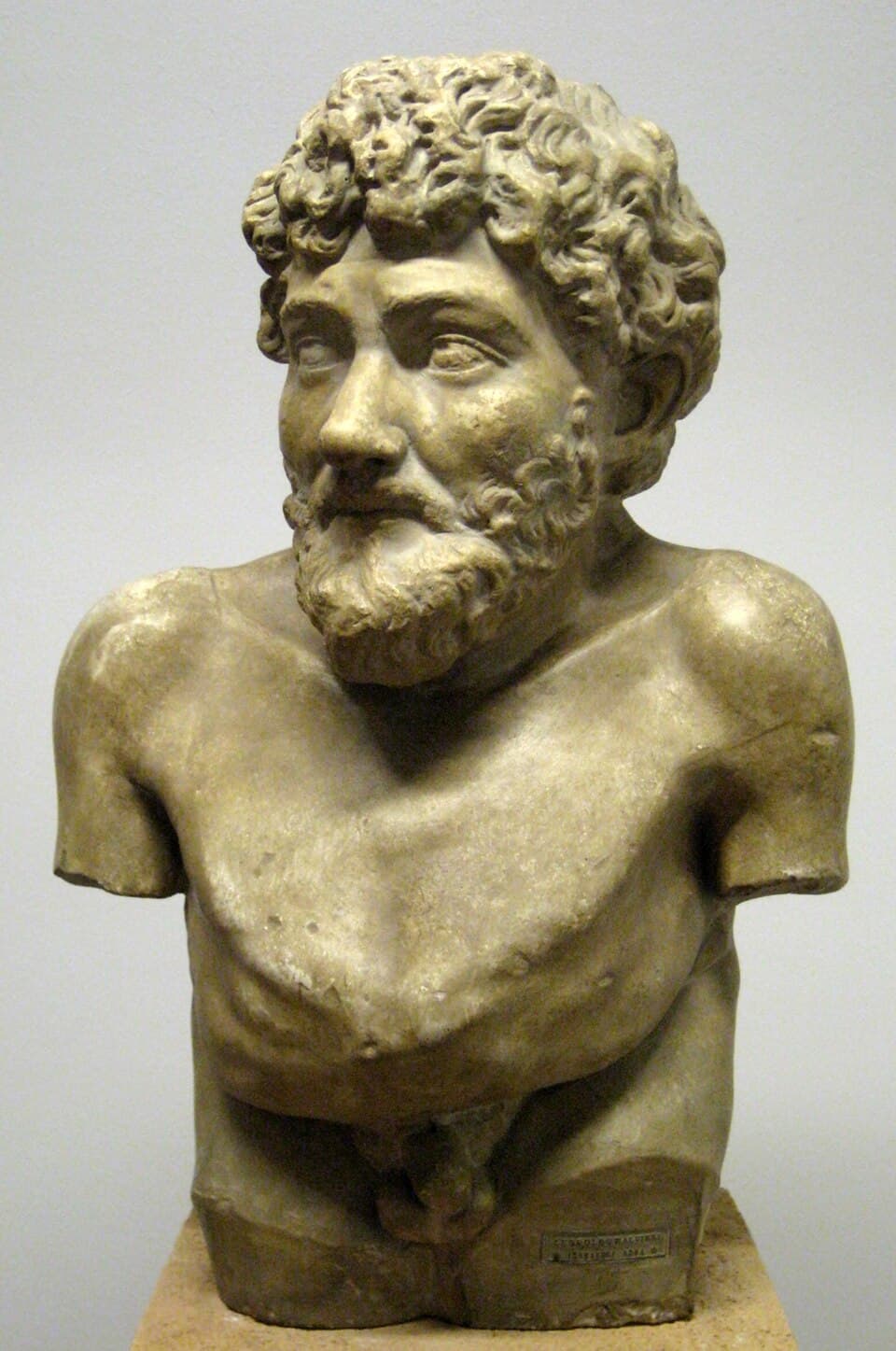

Here's the thing about Aesop's Fables - I've been teaching these stories for two decades, and they still hold up. The Tortoise and the Hare. The Boy Who Cried Wolf. The Fox and the Grapes. These aren't just children's stories. They're the foundation of Western moral storytelling, and we're still referencing them in everyday conversation without even realizing it.
So when I found this LibriVox recording, I thought: perfect. Short fables, free audiobook, something to listen to while grading the endless stack of sophomore essays on my desk. Forty-six minutes. Easy.
It was not easy.
The Beautiful Mess of Volunteer Narration
Look, I need to be honest with you. LibriVox is a wonderful thing - volunteers reading public domain works, making literature accessible to everyone. That's genuinely noble. The same volunteer energy shows up in Works of Edgar Allan Poe, Raven Edition, Volume 2, though honestly, Poe's darkness benefits from the inconsistency in ways Aesop's clarity doesn't. But this particular collection is... inconsistent. And I'm being generous.
Some of the readers are lovely. Clear voices, appropriate pacing for the short fables, even some nice character work when the fox is being clever or the lion is being proud. You can hear they care about the material. One reader - I wish I could tell you which one, but the tracks blend together - had this warm, almost grandparent-reading-at-bedtime quality that made me nostalgic for something I'm not sure I ever actually experienced.
But then. Oh, but then.
I had to skip at least four fables because the audio quality was so rough. We're talking microphones that sound like they were borrowed from a 2003 webcam. Volume levels that jump from whisper-quiet to SUDDENLY VERY LOUD without warning. I nearly spilled coffee on a stack of ungraded papers during one transition. (The papers survived. My patience did not.)
Why 2,600-Year-Old Stories Still Land
Here's what I keep coming back to, though. These fables are 2,600 years old. Twenty-six centuries. And they're still relevant because Aesop - or whoever actually wrote these, since scholars love to argue about whether the man even existed - understood something fundamental about human nature.
We're still the fox calling the grapes sour because we can't reach them. We're still the grasshopper playing while the ant works. My students, with their phones and their TikToks and their complete inability to read Hamlet without complaining, are living out these exact same patterns. That's why I keep recommending Black Beauty to them - another deceptively simple classic that sneaks moral lessons past their defenses.
The brevity works beautifully in audio format. Each fable is just a few minutes. There's a setup, a conflict, a moral. Done. It's almost like ancient Greek podcasting, when you think about it. (My students would hate that comparison. Which means I'm definitely using it in class.)
Listen If You Can Handle the Chaos, Skip If You Can't
If you're a purist about audio quality - and I mean this sincerely - skip this version. Find a professionally produced recording. There are plenty out there, and your ears will thank you.
But if you're like me, and you appreciate the democratic chaos of volunteer-read literature, there's something charming here. It's imperfect. It's human. Some readers are clearly nervous, some are overly theatrical, and some sound like they're reading in a closet to avoid waking their roommates.
This is perfect for short commutes or those moments when you need something bite-sized. Put it on while you're doing dishes or walking the dog. Just keep your hand near the skip button for the rough patches.
For parents looking to introduce kids to classic literature, I'd actually recommend this with a caveat: preview the tracks first. Cherry-pick the ones with decent audio. The stories themselves are timeless - simple enough for children, layered enough for adults to find new meaning.
Class Dismissed
I listened at 1.0x, obviously, because even with volunteer narration, the words deserve their proper pace. These stories were originally oral tradition. They were meant to be heard, not read. The narrator - even an imperfect one - is honoring something ancient.
Is it a perfect audiobook experience? Absolutely not. Is it a free way to access foundational Western literature while pretending to pay attention to budget presentations? Absolutely yes.
Principal Martinez, if you're reading this, I was definitely not listening to Aesop during your PowerPoint on standardized testing metrics. (I was. The ant and the grasshopper felt particularly relevant.)