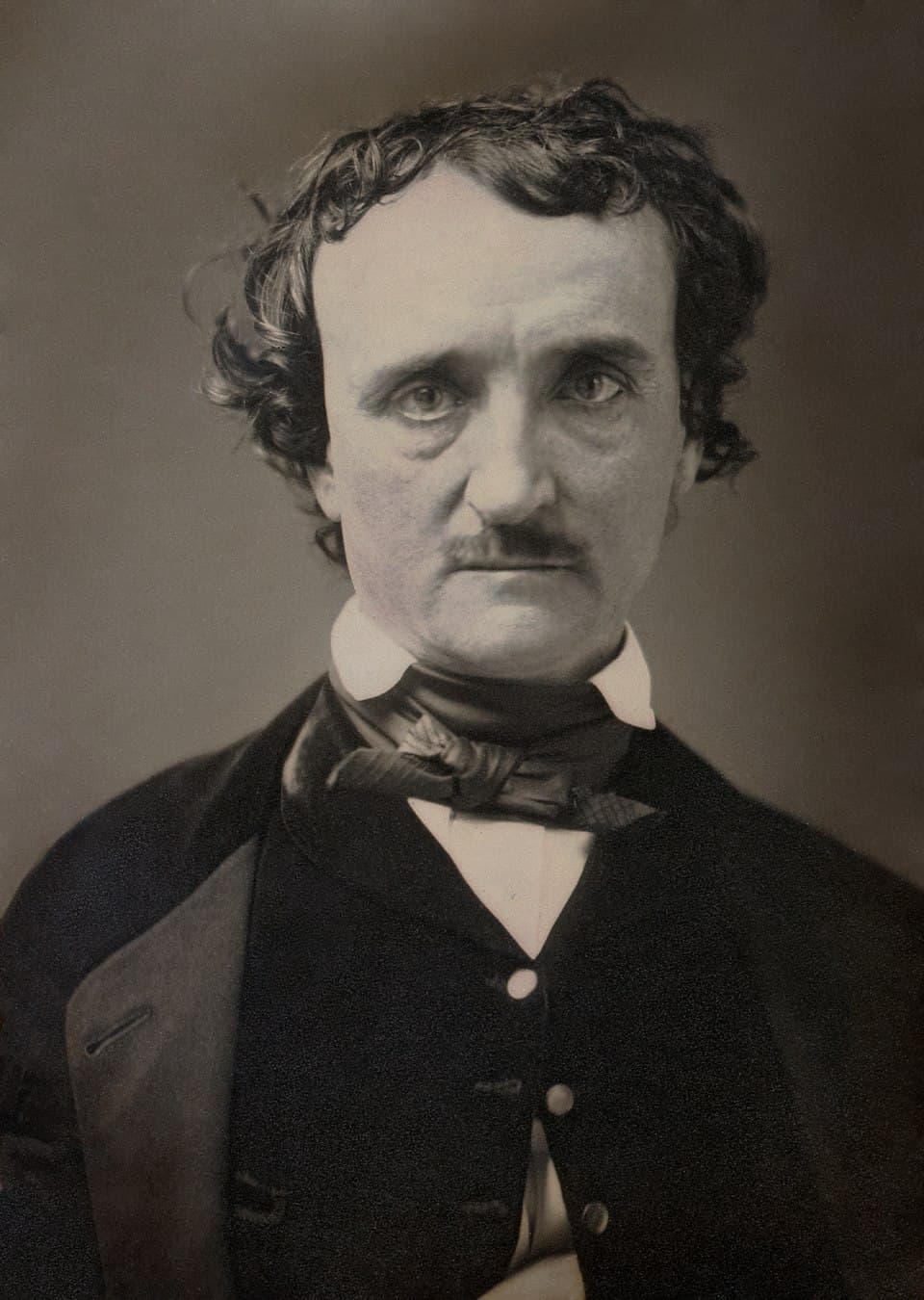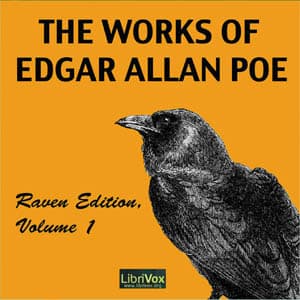

Look, I've been teaching Poe for twenty years. Twenty years of watching teenagers pretend they understand "The Raven" while secretly checking their phones under their desks. So when I say this collection gave me something new after all that time - that's not nothing.
Here's the thing about listening to Poe versus reading him on the page: his prose was meant to be heard. The man was obsessed with sound, with the musicality of language, with what he called "the unity of effect." Reading "The Tell-Tale Heart" silently is one thing. Hearing someone whisper "TRUE! - nervous - very, very dreadfully nervous I had been and am" directly into your ears while you're walking the lakefront at dusk? That's the experience Poe actually intended.
The Volunteer Narrator Roulette
Okay, let's address the elephant in the room. This is a LibriVox production, which means volunteer readers. And volunteer readers means... inconsistency. I've noticed the same quality roulette with Romeo and Juliet - also Various Readers, also wildly uneven, though it manages to pull off Shakespeare's dialogue when the right narrator steps up. Some of these narrators absolutely nail it - Phillip J. Mather's work on certain tales genuinely reminded me why I fell in love with gothic literature in the first place. There's a warmth and darkness he balances that feels like sitting by a fire while someone tells you a ghost story. Old fashioned in the best way.
But then you'll get another reader who sounds like they're reading a grocery list. The volume fluctuates randomly. One minute you're straining to hear, the next you're fumbling for the volume because someone decided to REALLY lean into the emotional passages. It's jarring. My wife Denise thought I was listening to three different audiobooks.
(Don't tell my students I'm complaining about free audiobooks. They already think I'm out of touch.)
When It Works, It Really Works
The poems especially benefit from this format. "The Raven" - and I say this as someone who's heard approximately 847 student recitations of "nevermore" - can still hit different when a skilled narrator understands that Poe wasn't just writing words. He was composing music. The trochaic octameter, the internal rhymes, the alliteration - it's all rhythm. A good reader lets you feel that pulse.
And the lesser-known pieces in this collection? That's where I found real value. We all know "The Fall of the House of Usher" and "The Pit and the Pendulum." But Poe wrote so much more, and hearing the full breadth of his work - including critical essays and tributes - gives you a sense of the man beyond the macabre greatest hits. The psychological intensity of his prose, the way he builds dread through accumulation rather than shock... it rewards patient listening. That same creeping dread shows up in Six Creepy Stories by Edgar Allan Poe, though with a tighter focus on his most unsettling work.
The Navigation Nightmare
Here's my genuine frustration: no chapter headings. None. You want to skip to "The Masque of the Red Death"? Good luck. You're scrubbing through ten hours of audio hoping you recognize the opening lines. For a collection meant to be dipped into - because honestly, who's listening to ten hours of Poe straight through? - this is a real problem.
I found myself taking notes on timestamps like some kind of literary archaeologist. "The Raven starts around 3:42:00, I think." That's not how audiobooks should work in 2024. (Yes, I know this recording is older. Still annoying.)
The Classroom Connection
I'll be honest - I've started using clips from this in my classes. Not the whole thing, obviously, but certain passages where the narration really captures Poe's intent. My students, who normally zone out the second I mention anything written before 1990, actually perked up during a particularly well-delivered section of "The Tell-Tale Heart." One of them said it was "creepy in a good way."
That's basically a five-star review from a sixteen-year-old.
Who Should Listen (And Who Should Skip)
If you're a Poe devotee or a gothic literature fan who can tolerate some production inconsistency for the sake of hearing these classics performed, this is worth your time. It's free, it's comprehensive, and when it hits, it hits hard.
But if you want a polished, consistent listening experience? If uneven audio quality pulls you out of the story? Skip this and look for a professionally produced single-narrator version instead. There are good ones out there - this just isn't that.
For me, the peaks are high enough to forgive the valleys. I've listened to worse during faculty meetings. (Sorry, Principal Martinez.)