
Does anyone actually believe the ER is a romantic place?
Seriously. I spend twelve hours a night there. It's mostly bodily fluids, fluorescent lights that hum too loud, and people having the worst day of their lives. But Jennifer Weiner starts this whole thirty-year saga right there—in a waiting room. I almost turned it off immediately. (I didn't, obviously. I needed something to drown out the Phoenix traffic.)
So, we have Rachel and Andy. Eight years old. One has a broken arm, the other has a congenital heart defect. And look, as someone who actually works with these patients, the setup... kind of worked for me.
Vital Signs and Flatlines
Here's the thing about Rachel. She's a "frequent flyer"—hospital slang, sorry—and Weiner gets that specific kind of loneliness right. The isolation of being the sick kid while everyone else is running around on the playground.
But the narration? That's where my nurse brain started twitching.
Sarah Steele voices Rachel. I read some reviews saying she sounded "dry," and honestly? They weren't wrong. I'm driving home at 7 AM, fighting to keep my eyes open, and her voice was just... flat. Maybe it was an artistic choice? Like, showing how exhausted Rachel is by her condition? If so, bold move. But for a romance, I wanted a little more tachycardia, you know? A little more heart-racing energy. There were moments I wanted to tap my dashboard and ask, "Are we awake in there?"
Finding the Pulse
Thank God for JD Jackson.
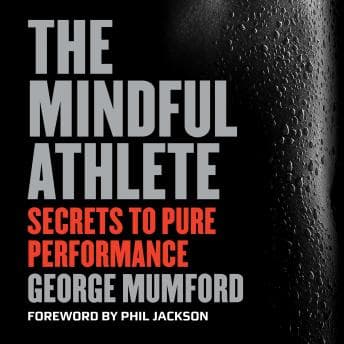
When the chapters switched to Andy, the whole audiobook woke up. Jackson has this voice—warm, textured, grounded. He plays the kid from the wrong side of the tracks (classic trope, but I'm a sucker for it) with enough grit to make it believable. He brought that same grounded energy to Mindful Athlete: Secrets to Pure Performance, which I listened to during a particularly brutal stretch of night shifts last year.
He saved the commute for me. Seriously. The contrast between the two narrators is jarring, though. It's like switching from a sterile, cold exam room to a warm, messy living room. One minute you're detached, the next you're actually feeling something. Necessary for the dual perspective, but also kind of frustrating.
The Thirty-Year Shift
This book covers three decades. That is a lot of life to cram into 13 hours.
And yeah, it drags. There were parts in the middle—around the college years—where I was literally yelling at my steering wheel. "Just talk to each other!" (Carlos asked why I was grumpy when I got home; I blamed the traffic, but it was really Andy and Rachel making terrible decisions for the tenth time.)
But I guess that's realistic? Life is messy. Patients don't follow the care plan. People ghost each other. The pacing felt slow, like a shift that won't end, but the emotional payoff—eventually—was there.
Who's This For?
My mom would love this book. She loves the "fated mates" thing where the universe keeps shoving two people together. If you're into sprawling love stories that span decades and don't mind some slow stretches, queue it up. Skip it if flat narration kills your focus—especially if you're listening post-night-shift like me.
For me? It was a decent decompression tool, even if the medical side of my brain wanted to intervene a few times. If you can get past the slower parts of Rachel's narration, the story has a pulse. Just barely, sometimes, but it's there.