
4:45 AM on the I-10. I'd just come off a shift where we coded a guy twice in three hours (he made it, thank God), and my brain felt like scrambled eggs. I needed something to keep me awake for the drive home to Gilbert, but if I listened to another true crime podcast, I was going to scream.
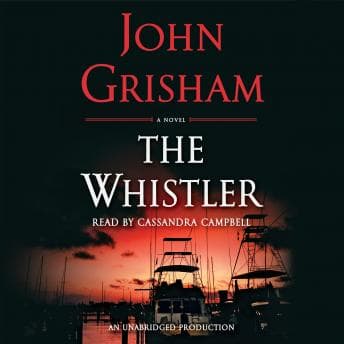
So I put on John Grisham's The Whistler.
Honestly? It was exactly the kind of steady, procedural IV drip I needed.
Here's the thing about Grisham—he's reliable. Like that one attending physician who never smiles but always gets the dosage right. You know what you're getting. Sycamore Row has that same steady reliability—Grisham at his most methodical. This isn't a heart-pounding, "I need a beta-blocker" thriller. It's a slow burn. A very slow burn.
The "Nurse" Perspective on Lacy Stoltz
I really liked Lacy Stoltz. She's an investigator for the Florida Board on Judicial Conduct—a lawyer, not a cop. (Finally, a protagonist who isn't running around with a gun and a drinking problem.) Her job is basically triaging complaints about judges—mostly incompetence, sometimes corruption.
As someone who spends 12 hours a day dealing with the fallout of human error, I vibed with her. She's the one cleaning up the mess behind the scenes. The story kicks off when she gets a tip about a judge involved with the Coast Mafia and a Native American casino.
The legal details? Extensive. Grisham loves his jargon. If you're the type who zones out when the doctor starts explaining the pathophysiology of sepsis, you might struggle here. But personally? I loved the accuracy. It felt grounded. No one was hacking mainframes in five seconds. It was paperwork, interviews, and following the money.
Cassandra Campbell's Voice (And Why It Matters)
I hadn't listened to Cassandra Campbell before, but she's got this smooth, clear delivery that works perfectly for a long drive. She doesn't do over-the-top accents, which I appreciate. (Nothing ruins my commute faster than a narrator doing a bad Southern drawl that sounds like a cartoon character.)
She plays it straight. Felt intimate—like she was sitting in the passenger seat just telling me the gossip. Campbell brought that same conversational warmth to Where the Crawdads Sing, though that one had me ugly-crying in the hospital parking lot.
But—and here's the "Night Shift" warning—
Sometimes her male and female voices bleed into each other. There were a few moments where I was merging onto the off-ramp and lost track of who was talking. Was it Lacy? Was it the whistleblower, Greg Myers? If you're multitasking—folding laundry or dodging traffic—you have to pay attention. Not a dealbreaker, but it made me rewind a couple of times.
The Pacing: Yeah, It Drags
Okay, let's be real. It's 13 hours long.
Around hour nine, I was yelling at my dashboard. Not because of medical inaccuracies this time (shocking, I know), but because I just wanted them to get on with it. The middle section sags. A lot of procedural maneuvering.
And the ending? Rushed. After all that buildup, all that careful plotting, the resolution just sort of happens. It's like working a twelve-hour shift to stabilize a patient and then the day shift comes in and discharges them in twenty minutes. You're left standing there like, "Wait, that's it?"
(My husband Carlos asked why I looked annoyed when I walked in the door. I told him it was the traffic. It was actually the ending of this book.)
The Verdict
If you want high-octane action, this isn't it. But if you want a smart, competent story about corruption that feels terrifyingly realistic, give it a go. It kept me awake, kept me interested, and I didn't have to correct any medical facts.
Who should listen: Commuters who want something procedural and grounded. Fans of legal thrillers who don't need explosions every chapter. Anyone who appreciates a protagonist who solves problems with paperwork instead of a Glock.
Who should skip: If you need fast pacing or get impatient with legal jargon, you'll be yelling at your dashboard by hour five.
My mom would love this. She loves a good story about "honorable people" going bad. I might actually gift it to her—mostly so she stops asking why I didn't go to law school since I didn't go to med school.