
I picked this one up because I needed something to keep me awake on my drive home after a particularly brutal night shift. Three codes, a combative patient, and a new resident who kept asking me where the crash cart was. So when I say this book kept me alert, that's saying something.
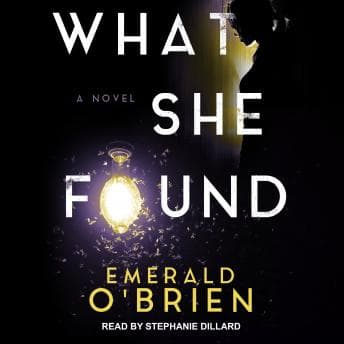
The setup is classic thriller territory - group of friends, secluded house, wine flowing, drama brewing. Murder in an Irish Village had a similar setup with the tight-knit group dynamics, though at least those characters had the sense to actually call the authorities. Then a bleeding stranger shows up at the door and refuses medical attention. And here's where I started talking to my dashboard. "Call 911 anyway! She's got a head wound! What are you DOING?" But that's the thing about thrillers, right? Characters have to make questionable decisions or there's no story. I get it. Doesn't mean I have to like it.
When the Wine Stops Being Fun
Emerald O'Brien does something clever here. She uses the alcohol and the pre-existing friend group tensions to create this fog of unreliable memory. Everyone's a little too drunk, a little too distracted by their own drama, and suddenly no one can agree on what actually happened that night. As someone who's taken statements from patients at 3 AM, I can tell you - people's memories are garbage even when they're sober. Add wine and emotional chaos? Good luck reconstructing anything.
The slow build worked for me. I know some listeners want that immediate punch, but I appreciated how O'Brien let the dread creep in. Tabitha goes home thinking the weird weekend is behind her, finds that cryptic note - "Don't stop until you find it" - and just... ignores it. Which, okay, I probably would too. We all have enough going on without chasing down mysterious messages from bleeding strangers.
But then the woman goes missing. The police start asking questions. And suddenly everyone's story matters.
Stephanie Dillard Gets It
Here's the thing about narration - I've listened to enough audiobooks to know when someone's phoning it in. Dillard isn't. Her pacing is calibrated perfectly for suspense, letting moments breathe when they need to and pushing forward when the tension ratchets up. She's got this friendly, inviting quality that makes you trust her, which is exactly what you need when you're following a protagonist through a psychological minefield.
Some of the character voices got a little cheesy. I'm not gonna lie. There were a couple moments where I winced slightly. But honestly? Minor complaint. The emotional beats landed. When Tabitha starts unraveling, when the friend group's carefully maintained peace starts cracking - Dillard sells it.
I couldn't find a ton about Dillard online, but based on this performance, she knows her way around a thriller. The narrator for Sign of The Four had that same quality - someone who understands pacing and lets the story breathe. Good diction, no weird mispronunciations (a pet peeve of mine - don't get me started on medical terms), and she keeps the energy up without going over the top.
Tabitha Made Me Want to Shake Her (But That's the Point)
I've seen some complaints about Tabitha being weak or gullible. And... yeah, I can see it. She's going through a separation, she's emotionally vulnerable, she's making choices that made me want to shake her. But here's my take: I've worked with patients in crisis for fifteen years. People don't become their best selves when they're falling apart. They miss obvious things. They trust the wrong people. They ignore red flags because they're too exhausted to deal with one more problem.
So did Tabitha frustrate me? Sure. Did she feel real? Also yes.
The friend group dynamics were actually pretty well done. The feuding, the unspoken resentments, the way people perform friendship while harboring genuine grievances - that rang true. (My mom's side of the family at any holiday gathering. Just saying.)
Clocking Out
This is a solid psychological thriller. It's not going to reinvent the genre, but it doesn't need to. O'Brien knows how to build suspense, how to layer in twists that actually land, and how to use an unreliable group memory to keep you guessing.
Perfect for that post-shift decompression when you need something engaging enough to keep you awake but not so intense you can't sleep after. The 7-hour runtime is just right - long enough to develop the mystery properly, short enough that it doesn't overstay its welcome.
Carlos asked why I was so quiet when I got home that morning. I told him I was processing. He assumed it was work stuff. It was actually me trying to figure out who was lying about that night at the rental house.
Who's this for? If you like slow-burn suspense with a group dynamics angle, you'll dig this. Skip it if you need your protagonists to make smart choices at every turn - Tabitha will drive you up the wall. But honestly, where's the fun in characters who do everything right?