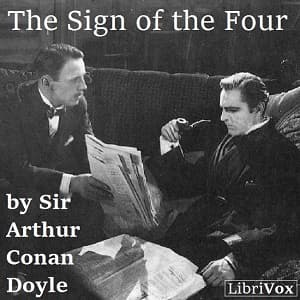

Look, I grabbed this one for my drive home after a particularly brutal night shift - three codes, a combative patient, and someone's family member who was absolutely convinced that WebMD had better diagnostic skills than our attending. I needed something to reset my brain, and honestly? Victorian detective fiction hit different at 6 AM when you're running on caffeine and spite.
Here's the thing about Sherlock Holmes stories - they're comfort food for people who like puzzles. And The Sign of the Four delivers exactly what you'd expect: a locked-room mystery vibe, a treasure hunt, and Holmes being insufferably brilliant while Watson plays the everyman. But what I wasn't expecting was how much this one would actually... humanize Holmes?
When Holmes Gets Real
Okay, so the book opens with Holmes shooting up cocaine because he's bored. As someone who's actually worked codes on overdose patients, I had feelings about this. But Doyle doesn't romanticize it - Watson literally lectures Holmes about it, and there's this tension between them that feels surprisingly modern. Holmes isn't just a deduction machine here. He's a mess. A brilliant mess, but still.
The mystery itself involves stolen treasure from India, a secret pact between convicts, and a woman named Mary Morstan who shows up with a puzzle that's been haunting her for years. (My mom would love Mary. Strong, practical, doesn't wait around for men to solve her problems.) The plot twists back on itself in ways that kept me engaged even when I was fighting the urge to close my eyes at red lights. Don't worry - I didn't actually fall asleep. Night shift survival skills.
David Timson Nailed It
I couldn't find a ton of background on David Timson before listening, but based on this performance? The man knows what he's doing. His Holmes has this precise, almost clinical quality that works perfectly for the character - you can hear the arrogance without it becoming grating. And his Watson is warm and grounded, which is exactly how Watson should be.
The character voices are distinct without being cartoonish. When he does the various suspects and witnesses, you can actually tell who's speaking without checking. That sounds basic, but you'd be surprised how many narrators mess this up. (I've yelled at my dashboard about this. Carlos thinks I need a hobby that isn't audiobooks. He's probably right.)
The pacing kept things moving - at just under 4.5 hours, it's the perfect length for a few commutes. No filler, no dragging. The action sequences actually felt tense, and the quieter deduction scenes didn't put me to sleep. That's a win.
The Medical Stuff (Because I Can't Help Myself)
Okay, so there's not a ton of medical content here, but the drug use is handled in a way that feels accurate for the period. Watson's concern reads like a real colleague watching a friend self-destruct. And later, when there's violence - I won't spoil it - the descriptions of injuries are vague enough that I couldn't nitpick them. Which is probably for the best. Victorian forensics were... not great.
What I appreciated was that the story doesn't shy away from the darker elements. There's colonialism baked into the plot (it's set against the backdrop of British India), and while Doyle doesn't interrogate it the way a modern author would, it's there. Something to be aware of if that's going to pull you out of the story.
Who Should Listen (And Who Should Skip)
If you're a Sherlock Holmes fan, this is essential. If you're new to the series, it's actually a solid entry point - you don't need to have read A Study in Scarlet first, though it helps. Once you're hooked, Adventures of Sherlock Holmes and Return of Sherlock Holmes are the natural next steps - same brilliant deductions, same narrator nailing the voices. Perfect for commutes, for post-shift decompression, for anyone who needs their brain occupied but not overwhelmed.
Skip if you need fast-paced modern thrillers with constant action. This is Victorian pacing - deliberate, methodical, with long passages of Holmes explaining his deductions. I found it soothing, but I also find the rhythm of a heart monitor soothing, so take that with a grain of salt.
The audio quality is clean, the production is solid, and apparently Timson won an Audiobook of the Year Award for this. I can see why. Night shift approved.