
So here's the thing. I expected to hate this. I really did. Every self-help book about weight loss triggers my inner engineer screaming "this is just thermodynamics, people" and I was fully prepared to crank this to 1.75x and rage-listen through it. But I started this at like 5:45 AM on a Tuesday - one of those mornings where I'd been up since 3 AM after a pager alert that turned out to be a false alarm, couldn't fall back asleep, and just decided screw it, I'll start my commute early. And something about Deepak Chopra's actual voice in my earbuds at that hour, when my defenses were completely down, kind of... got to me?
Let me be clear about what this is NOT. This is not a diet book. There are no meal plans to follow (well, there's a bonus PDF with recipes, but that's supplementary). There are no calorie counts, no macro breakdowns, no "eat this not that" lists. If you want an optimized nutrition protocol, this ain't it.
This Is Basically a Mindfulness Framework Disguised as a Diet Book
Chopra's core argument is basically a root cause analysis for overeating: you're not hungry for food, you're hungry for fulfillment, and food is just the quick-fix patch you keep deploying instead of addressing the underlying issue. As someone who has absolutely stress-eaten an entire bag of Hot Cheetos at 1 AM during an incident response, I felt personally called out.
The framework itself is straightforward - he breaks satisfaction down into categories (comfort, vitality, energy, self-esteem) and maps eating behaviors to unmet needs in those areas. It's not revolutionary if you've read any behavioral psychology, but Chopra does explain it without drowning you in spiritual jargon. I'd hit similar territory with Chimp Paradox, which maps emotional eating and impulse behavior onto a brain-science framework instead of an Ayurvedic one - less soothing, more blunt, but scratching at the same underlying question of why we do the things we know we shouldn't. I kept waiting for it to go full woo-woo and it... mostly doesn't? He references mainstream medicine alongside Ayurvedic concepts, and he's pretty transparent about when he's stepping outside conventional Western science.
Where it lost me: the pacing. At 8 hours 18 minutes, this could've been tighter. There are stretches in the middle where he circles back to the same "awareness is the key" concept for the third or fourth time, just reframed slightly. I bumped up to 1.5x around hour 4 and honestly should've gone higher. The book makes its strongest points in the first third and the last quarter. The middle is the bloated microservice of this architecture - doing too much, saying too little.
Chopra Narrating Chopra: A Feature, Not a Bug
Okay, I'll admit - author-narrated self-help is usually a red flag for me. Most authors are not narrators. They breathe weird, they emphasize the wrong words, they sound like they're reading a teleprompter at a corporate all-hands.
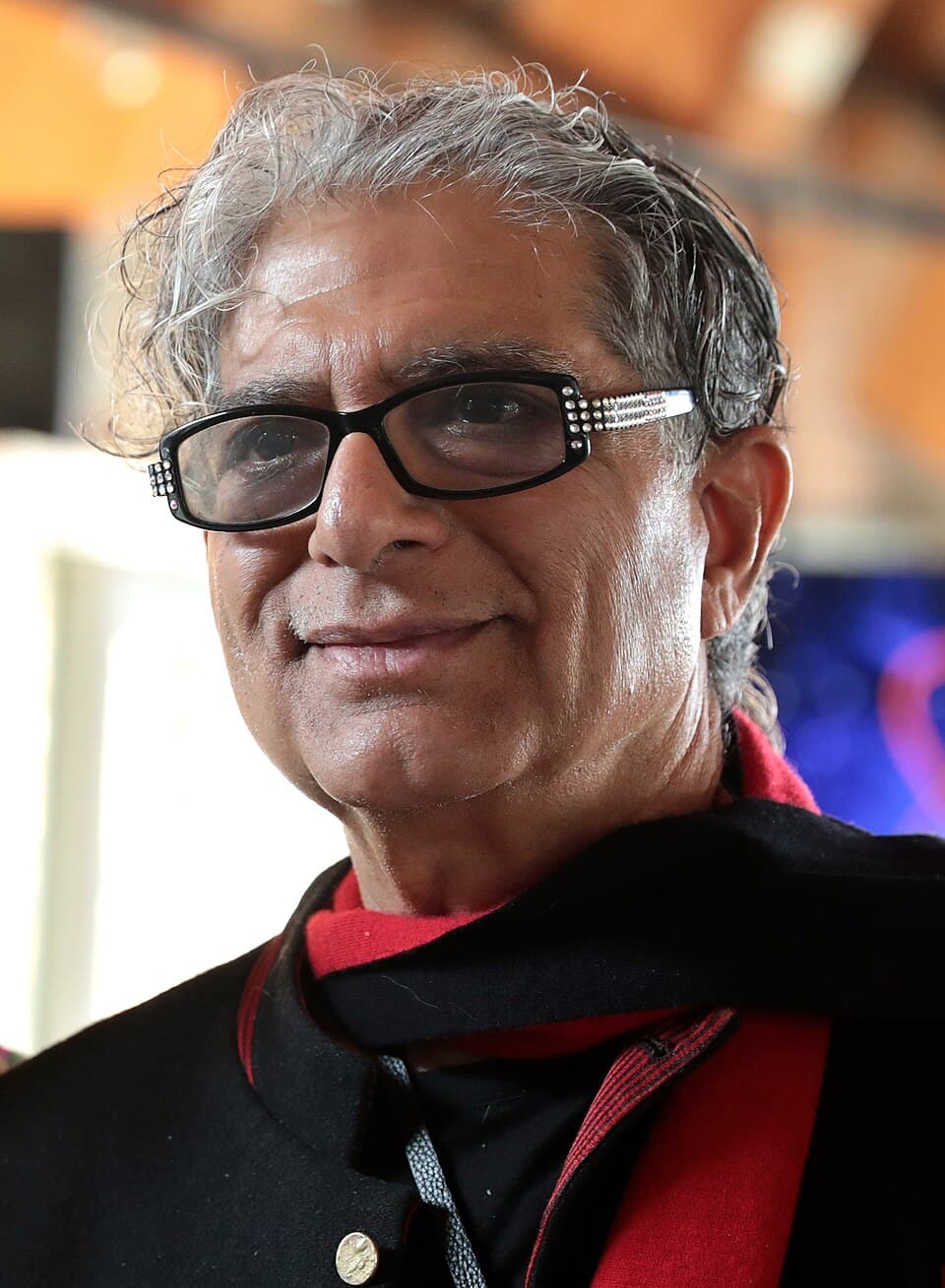
Chopra is different. His voice has this calm, measured quality that genuinely suits the material. He's not performing the book - he's explaining it, like he's sitting across from you at a table. There's a warmth there that a professional narrator probably couldn't replicate for this specific content. You can tell he actually believes what he's saying, which - agree or disagree with the philosophy - makes it land differently than if Ray Porter (love you, Ray) were reading someone else's wellness manifesto.
The downside of this: it's almost TOO calm. On the packed 6:07 Caltrain, surrounded by people nodding off into their North Face jackets, Chopra's soothing tone nearly put me under twice. This is not a "keep you awake at dawn" listen. I had to actively focus during certain stretches, which bumps it out of my top-tier commute-worthiness.
Who This Is Actually For (And Who Should Bail)
Perfect for: quiet mornings, evening wind-down, maybe a weekend walk. Skip for: gym, commute if you're sleep-deprived, anything requiring multitasking.
If you're looking for actionable weight loss science with data and studies - skip this entirely. If you're an engineer-brain type (hi, it me) who has optimized everything in life except your relationship with food and you suspect the problem isn't information but awareness - this is weirdly useful. It won't give you a system. It'll make you question why you keep reaching for systems in the first place.
Kevin listened to about 20 minutes of this when I played it on our apartment speaker and said "this is therapy with extra steps." He's not wrong. But sometimes the extra steps are the point.
The ROI Calculation
The ROI on this audiobook is low if you measure it by actionable takeaways per hour. Could've been a blog post - or at least a 4-hour book. But the actual value is in the reframing, and Chopra's delivery carries that reframing in a way text probably wouldn't. I finished it in about 5 commutes (would've been 4 at higher speed), and I've caught myself asking "what am I actually hungry for right now" three times this week before opening DoorDash. So. Something stuck.
Not a must-listen, not a skip. It's a specific tool for a specific problem, and if that problem is yours, it's worth your time - just maybe not your credit.