I was cleaning my Sig P320 at the kitchen table—Linda already asleep—when the story about a young Marine calling in his first medevac stopped me cold. Hands still, oil rag forgotten. That voice crack in his account, even filtered through Culp's narration, hit me somewhere I don't let most books reach.
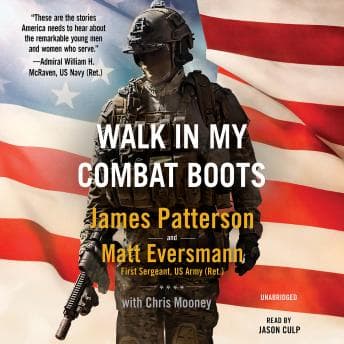
Let me cut to the chase: Patterson and Eversmann have done something valuable here. They've collected the stories that usually only come out at 0200 in a FOB when the mission's done and the adrenaline's wearing off. The ones you tell your brothers because they were there, or because they understand what "there" means.
The Debrief Nobody Asked For
This isn't a war book in the Hollywood sense. No grand strategy, no generals pontificating about the sweep of history. It's a specialist describing the smell of a burning Humvee. A Navy corpsman talking about the kid he couldn't save and the one he did. A female supply sergeant explaining what it means to be mortared every night for six months while the world back home argues about whether women should be "in combat."
The structure works—short accounts, different voices, spanning Vietnam through the GWOT era. Patterson's fingerprints are light, which is smart. These stories don't need embellishment. A Green Beret describing his first firefight in Helmand doesn't need a novelist's polish. The rawness is the point.
Eversmann's involvement shows. The man was literally in Black Hawk Down—not the movie, the actual operation. He knows which questions to ask and, more importantly, when to shut up and let the veteran talk. Some of these accounts feel like they were transcribed directly from a bar conversation, and I mean that as high praise.
Where the Mission Gets Complicated
Here's my problem, and it's a significant one: Jason Culp.
Look, he's technically proficient. Sensitive to the material. But there's a disconnect I couldn't shake. These are stories from 19-year-old privates, 22-year-old sergeants, women and men who sound like every soldier I ever led. Culp reads them all with the same measured, mature tone. It's respectful, sure. But it sands down the edges.
When a kid from rural Georgia describes watching his best friend die outside Mosul, I want to hear that Georgia kid. Last Black Unicorn nailed that authenticity—Tiffany Haddish reading her own story, every crack and laugh exactly where it belonged. I want the voice to crack where his cracked. Instead, I get a professional narrator doing professional work, and something essential gets lost in translation.
This is where I'd have made a different call. Get actual veterans to read their own accounts. Or at least narrators who can capture the youth, the regional accents, the raw disbelief in some of these stories. Culp's approach works for biography. For this? It felt like watching a documentary with the color saturation turned down.
What These Stories Actually Are
The content itself? Worth your time. Here's the debrief:
The Vietnam accounts hit different now that I'm old enough to understand what those guys came home to. A door gunner talking about the disconnect between what he saw and what Walter Cronkite was reporting—that's not ancient history. That's a warning.
The Iraq and Afghanistan stories are the ones that got me. I've been in some of those same valleys, driven those same roads. When an EOD tech describes the particular silence before he approaches a suspected IED, I know that silence. When a platoon leader talks about writing letters to parents, I've written those letters.
The book doesn't flinch from the ugly parts—the trauma, the moral injuries, the marriages that didn't survive, the brothers who came home and couldn't stay. This isn't recruitment propaganda. It's the truth, or as close to it as you can get without being there.
Who Needs This Intel
If you've never served and want to understand what your neighbor, your kid, your employee might have experienced overseas—this is the book. Not the sanitized version. Not the hero-worship version. The real one.
If you're a veteran, you'll recognize these stories. You might hear your own. Fair warning: some of this will take you back to places you've worked hard to leave. Ranger sat up during a few sections, watching me. Dogs know.
Skip it if you're looking for military action in the thriller sense—explosions, tactics, combat sequences. These are the moments between and after. The human cost, not the operational details.
Mission Assessment
Patterson and Eversmann accomplished their objective. They've given voice to people who usually stay quiet, captured something true about what service costs. The narration issue is real but not fatal—the stories are strong enough to carry a narrator who doesn't quite match their energy.
Worth a credit? Yes, with the caveat about Culp. Worth recommending to civilians who genuinely want to understand? Absolutely. This is the conversation America should be having with its veterans, and these pages are a good place to start.
Ranger approved this one. So do I.









![Steve Jobs [unabridged audiobook] audiobook cover](/_next/image?url=https%3A%2F%2Fcovers.audiobooks.com%2Fimages%2Fcovers%2Ffull%2F9788499923406.jpg&w=1920&q=75)