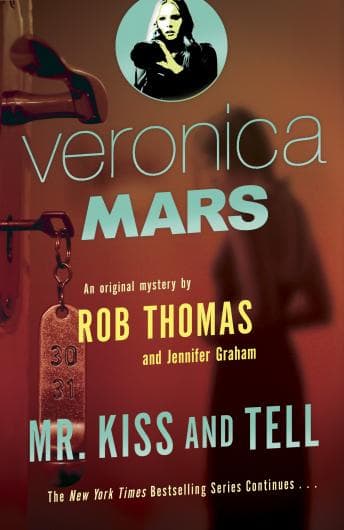

Look, I need to get something off my chest before we go any further: Kristen Bell IS Veronica Mars. I know this. You know this. The audiobook gods apparently did not get the memo.
The first Veronica Mars novel? Narrated by Kristen Bell herself. So when I started Mr. Kiss and Tell on my drive home after a brutal night shift - three traumas back to back, the kind of night where you forget what day it is - and Rebecca Lowman's voice came through my speakers instead of Bell's signature sardonic delivery, I actually checked my phone at a red light thinking I'd downloaded the wrong file. I hadn't. And that disappointment colored the first hour more than I'd like to admit.
The Narrator Problem That Won't Stop Nagging
Here's the thing about Veronica Mars: half the character IS the voice. That dry, razor-sharp sarcasm. The way she can make an observation sound like both a joke and a threat. Lowman doesn't capture that. Her delivery sits in this flat, even register - one reviewer called it "drone-like" and honestly, at 4 AM when you're already fighting to stay awake, that's not inaccurate. She essentially has two modes: woman's voice and man's voice. Keith Mars, Logan Echolls, Weevil - they all blur into this same vaguely masculine tone. For a show that built its entire identity on distinct, sharp-tongued characters, that's a real loss.
But - and this is important - Lowman isn't bad. She's just not Kristen Bell. She reads clean, she doesn't overact, and there's something almost workmanlike about her approach that lets the plot breathe. I caught a couple of mispronunciations that made me wince (the kind of thing that pulls you right out of the scene), but by the midway point I'd mostly adjusted. Mostly.
When the Case Gets Under Your Skin Anyway
So the story. A woman is brutally assaulted at the Neptune Grand - left for dead in a hotel room - and the hotel hires Veronica to investigate. Not because they care about the victim, obviously. Because they care about liability. And Rob Thomas and Jennifer Graham do something smart here: they make you sit with how ugly that is. The victim's memory is fragmented (months have passed since the attack), the hotel won't hand over its guest list, the surveillance footage has convenient gaps, and the woman herself won't say who she was meeting that night.
As someone who's actually worked codes on assault victims - who's held hands in the ER and watched people try to piece together the worst night of their lives through medication fog and trauma responses - the way this book handles the victim's reluctance to disclose details rang painfully true. She's not being difficult. She's protecting herself in the only way she knows how. The book gets that right, and I noticed.
The mystery itself is layered enough to keep you guessing. Every time I thought I had it figured out - sitting in the hospital parking garage, engine off, telling myself "five more minutes" - another piece would shift. The Neptune Grand as a setting works because it's this gleaming facade over rot, which is basically Neptune's entire deal. The rich protect the rich. The hotel's staff become suspects and shields simultaneously.
What doesn't quite work is pacing. Around hours 5 through 7, the investigation stalls in a way that felt more like treading water than building tension. Veronica chases leads that loop back on themselves, and without Bell's voice to inject energy into the slower stretches, those middle chapters dragged. I bumped my playback to 1.25x and that helped considerably - gave Lowman's delivery a little more urgency it was missing.
This Is Not How You Treat a Crime Victim (But the Book Knows That)
The content warning here is real. This book deals with rape and its aftermath, and it doesn't flinch. But it also doesn't exploit. The assault isn't graphic for shock value - it's the engine of the mystery, and the book treats the victim like a person, not a plot device. That distinction matters. I've read too many thrillers that use sexual violence as set dressing. This one actually interrogates the systems that let predators operate - the hotel's self-interest, law enforcement's limitations, the way money insulates people from consequences. Ten Big Ones takes a lighter swing at those same institutional blind spots, though it leans into comedy where this one leans into anger - and honestly both approaches have their place at 4 AM. Classic Veronica Mars territory.
Carlos asked why I was crying in the car. I blamed allergies. But there's a specific frustration this book captures - watching institutions fail victims while performing concern - that hit close to the bone after fifteen years in healthcare.
Who Gets the Night Shift Stamp
If you loved the Veronica Mars TV series and can get past the narrator switch, the story delivers. The mystery is solid, the character dynamics feel authentic to the show's DNA, and the subject matter is handled with care. But if Kristen Bell's voice IS Veronica Mars for you and that's non-negotiable, this will be a rough ten hours. Try the print version instead.
For everyone else: bump it to 1.25x, push through the middle-stretch lull, and let the case pull you in. Perfect for that post-shift decompression when you want something engaging but familiar. Just... manage your narrator expectations going in.
Charting Complete, Signing Off
A worthy Veronica Mars mystery held back by a narration that needed more bite. The story earns its place in the series. The audiobook format? That's where it stumbles. Night shift approved with caveats - and a speed adjustment.