
The 3 AM Discovery
Okay, so I found this one during a particularly brutal stretch of nights last month. The unit was quiet (I knocked on wood, don't worry), my charting was caught up, and I needed something to keep me from doom-scrolling. Classic detective fiction from the early 1900s? Sure, why not. I figured it'd either put me to sleep or surprise me.
It surprised me.
R. Austin Freeman wrote Dr. Thorndyke as this forensic science pioneer back when forensic science was basically "look at things carefully and think really hard." And honestly? As someone who's actually worked alongside medical examiners and watched evidence collection in trauma cases, I appreciate that Freeman gets the method right even if the technology is hilariously outdated. Thorndyke doesn't just magically solve things. He observes. He measures. He documents. He reasons through evidence step by step. It's methodical in a way that feels real, not like those thrillers where the detective just "has a hunch" and is somehow always right. No One There is exactly that kind of frustrating mess—all hunches, no method. (Those make me want to throw my phone out the car window.)
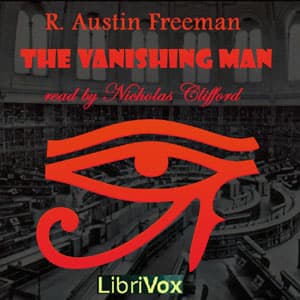
The premise is pretty straightforward - a man vanishes, there's a weirdly worded will, and a young doctor gets pulled into the investigation while also falling for someone he meets in the Egyptian rooms of the British Museum. Very Edwardian. Very charming. The romance is sweet without being saccharine, which I appreciated at 4 AM when my patience for anything overwrought was exactly zero.
Nicholas Clifford Gets It
Here's the thing about narrating period fiction - you can either lean into the stuffiness until it becomes unbearable, or you can find the humanity underneath the formal language. Nicholas Clifford does the latter. His pacing is impeccable, and I don't use that word lightly. He gives the forensic explanations room to breathe without making them drag. The dialogue feels natural even when characters are speaking in that very proper early 20th-century way.
What I really noticed was how intimate his delivery feels. It's not theatrical or over-performed. It's like someone telling you a story over tea - if that someone happened to be a very articulate Englishman with excellent diction. The character voices are distinct enough that I never got confused about who was speaking, but he doesn't do cartoonish accents or anything that pulls you out of the story.
I listened to most of this on my drives home from shift, and his measured tone was perfect for that post-shift decompression. Not so exciting that I couldn't wind down, not so dull that I'd zone out and miss my exit. That balance is harder to find than you'd think.
The Medical Bits (Yes, I Checked)
Look, Freeman was a physician himself, and it shows. The medical and forensic details are accurate for the era. Finally. No one defibrillates a conscious person. No one diagnoses something impossible from a single glance. Thorndyke actually examines evidence, considers alternatives, and builds a logical case. It's refreshing.
Now, is some of the science dated? Obviously. This was written over a hundred years ago. But the approach to investigation - the careful observation, the documentation, the reasoning from evidence - that's timeless. It's honestly closer to how real forensic work happens than half the modern thrillers I've listened to. (I'm looking at you, every book that thinks you can get DNA results in twenty minutes.)
Fair Warning
This is not a fast-paced thriller. If you need action every chapter and plot twists that make you gasp, this isn't your book. It's methodical. It's deliberate. The ending, I'll be honest, is pretty predictable if you've been paying attention. But I don't think that's really the point? The pleasure is in watching Thorndyke work, in following the logic, in the satisfaction of a puzzle solved correctly rather than dramatically.
Also, it's very much of its time. The Edwardian sensibilities, the gender dynamics, the colonial-era museum setting - it's all there. Nothing offensive enough that I had to stop listening, but definitely a product of its era.
Who Should Listen (And Who Should Skip)
Perfect for: fans of classic detective fiction, anyone who appreciates forensic methodology over forensic magic, commuters who want something engaging but not stressful, and honestly anyone who's tired of modern thrillers that get basic medicine wrong.
My mom would love this. She's been on a British mystery kick lately, and the romance subplot would appeal to her. (She still thinks I should've been a doctor, but she'd appreciate that the protagonist is one.)
Skip if: you need constant action, you want unpredictable twists, or slow-burn storytelling makes you impatient.
Carlos asked why I was smiling during breakfast last week. I told him I'd just finished a really satisfying mystery. Completely different genre, but I got the same feeling finishing It—that sense of an author who actually knows what they're doing. He nodded like he understood, but I don't think he gets how rare it is to find one that doesn't make me yell at my dashboard.
Night shift approved. Solid choice for the drive home.