
People kept recommending this as a true crime classic, and I kept putting it off because — look, I'm a horror person. Outlaw biker books? Not really my lane. I figured it'd be all chest-thumping machismo and badge-polishing heroics with zero self-awareness.
I was wrong. And I don't say that lightly.
The Real Monster Wears a Patch
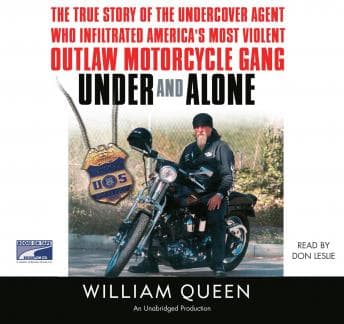
Here's what got me: this isn't just a cop-goes-undercover story. This is a psychological horror story wearing true crime's leather jacket. William Queen spends twenty-eight months inside the Mongols motorcycle gang, and by the time he's deep enough to become their chapter treasurer, the line between Billy St. John (his cover identity) and Billy Queen (the ATF agent with a daughter he can barely see) has eroded to almost nothing. That erosion — that slow, grinding loss of self — is scarier than half the supernatural fiction on my shelf.
The scene that wrecked me? Parents' Night. Queen shows up at his kid's school looking like what he's become — wild beard, biker gear, the whole terrifying package — and every other parent physically recoils. Teachers won't make eye contact. His own child is caught between two worlds because her father literally can't switch off the person he's pretending to be. That's not an action set piece. That's body horror of the identity. If that identity-erosion angle hooks you, Dirty digs into undercover work with the same unsettling intimacy—cop and cover bleeding into each other until neither is trustworthy.
And then there's the meth scene early on — his first real test with the gang, where he's got a line of crank in front of him and a knife at his throat, and he has to fake his way through it with sleight of hand while genuinely believing he might die if his fingers slip. The tension in that moment is cinematic. I was shelving returns at the library during my lunch break with my earbuds in and I actually stopped moving. Just stood there in the 900s holding a book about woodworking, heart rate through the roof.
Don Leslie Gets the Assignment
The narrator commits. That's rare — especially with memoir. So many true crime narrators go full Documentary Voice, all gravity and no grit, and the story ends up feeling sanitized. Leslie doesn't do that. There's this leathery confidence in his delivery that matches Queen's voice on the page — a guy who's been through something genuinely awful and is telling you about it not to impress you but because he still hasn't fully processed it. When the violence escalates — the Hell's Angels brawl that leaves three bikers dead, the casual discussions of cop killings like they're planning a barbecue — Leslie doesn't oversell it. He trusts the material. And the material is plenty horrifying on its own.
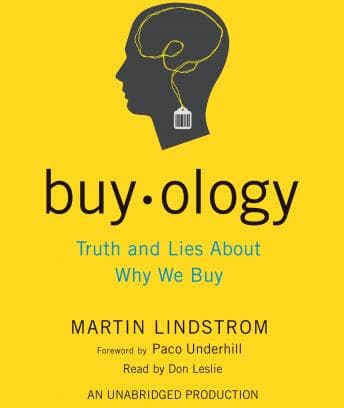
I wouldn't say it's a performance with huge vocal range. You're not getting wildly differentiated character voices. But that works here, because this is Queen's memoir, Queen's perspective, and Leslie keeps you locked inside that singular, increasingly fractured point of view. The effect is claustrophobic in the best way. I've heard Leslie do totally different work in Buyology, which is exactly why his commitment to staying restrained here impressed me—he's not playing it safe, he's playing it right.
Where the Dread Lives
What surprised me most is how much this book understands something I talk about on my podcast constantly: real dread isn't about the violent moment. It's about the waiting. Queen spends weeks, months in a state of constant low-grade terror — will they find the wire, will someone recognize him, will his ATF handlers pull him out before he's ready, will they leave him in too long? The gang members are unpredictable, crank-fueled, capable of turning on each other (and him) in seconds. And Queen genuinely starts caring about some of them. That's the part that haunts. He knows these men would murder Billy Queen without hesitation, but they'd die for Billy St. John. He's both people. He's neither.
At eight hours and change, it doesn't overstay its welcome. The pacing is tight — no bloated middle section where memoir authors usually lose me with procedural minutiae. Queen keeps the stakes personal even when the operation details get technical.
(My podcast listeners are going to love this. I'm absolutely doing an episode on true crime narratives that function as psychological horror, and this is exhibit A.)
Who Needs This in Their Ears
If you're into true crime and haven't hit this one yet — what are you doing? Go. If you're a horror person like me who thinks true crime isn't your thing, give it three chapters. The identity dissolution alone is worth the credit. If you need a lot of vocal variety from your narrator, this might feel flat — but I'd argue the restraint is the point.
If you scare easily, skip. If you don't, you need this. Not because it's violent (though it is), but because the real terror here is watching a man lose himself so slowly he doesn't notice until it's almost too late.
Shirley (my cat) was unimpressed. I was unsettled for two days.