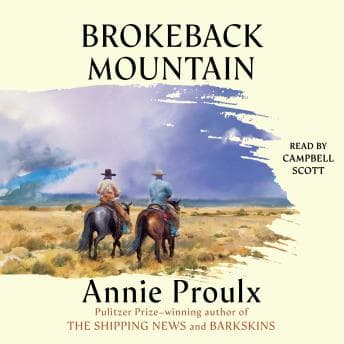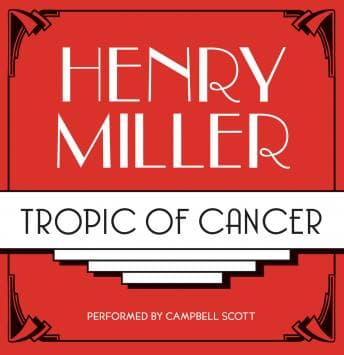

I've been teaching Tropic of Cancer in my AP Lit class for twelve years now—always with heavy redactions and parental permission slips, of course—and I've defended Miller to skeptical colleagues more times than I can count. "It's not pornography," I say. "It's liberation. It's jazz on the page. It's Whitman if Whitman had actually lived." So imagine my confusion, grading essays at 11 PM with Campbell Scott's narration in my ears, wondering if I'd been wrong about this book all along.
I wasn't wrong. But this audiobook almost convinced me I was.
The Curious Case of the Somber Libertine
Here's the thing about Miller—and this is what I tell my students before they clutch their pearls—the man wrote about poverty and sex and hunger with joy. Obscene, inappropriate, sometimes exhausting joy. When Miller describes Van Norden's absurd tirade about wanting microphones in his trousers to record women's private thoughts, it's supposed to be grotesque AND hilarious. It's supposed to make you uncomfortable while you're laughing.
Campbell Scott reads it like a man recounting a funeral.
I kept pausing the audiobook, pulling up my dog-eared paperback copy, reading passages aloud to myself. Same words. Completely different book. Scott's voice is technically competent—clear diction, steady pacing, no stumbles through Miller's stream-of-consciousness tangents. But his delivery is so uniformly melancholic that the Parisian cafes feel like morgues. The prostitutes sound like ghosts. The hunger sounds like clinical depression rather than the wild, desperate appetite of a man who's finally free.
When Monotone Becomes a Choice
Now, I want to be fair here. Some listeners—and I understand the argument—find Scott's depressed monotone appropriate for Miller's more delirious passages. The book does have a dreamlike quality. Miller wasn't writing journalism; he was writing fever dreams and philosophy and confessions all tangled together. That same blend of the erotic and philosophical shows up in Erotica Romana, though with far less fever and far more classical restraint. There's an argument that Scott's flat affect lets the words do the work.
But I think that argument misses what made Miller dangerous enough to ban for twenty-seven years.
This wasn't a sad book. It was a scandalous one. It was a celebration—messy, uncomfortable, sometimes repulsive—of being alive and broke and hungry in Paris. The censors weren't offended by Miller's despair. They were offended by his pleasure. And Scott's narration strips the pleasure right out.
I found myself listening at 1.0x as I always do (the author chose those words, after all) but for once I wondered if speeding up might inject some energy. It wouldn't have. The problem isn't pace. The problem is that Scott sounds like he's reading Miller's confession to a parole board instead of shouting it from a Montmartre rooftop.
What the Classroom Taught Me About This Recording
My students—the ones who actually read the assigned passages instead of relying on SparkNotes—always have the same reaction to Miller. They're shocked, then confused, then either outraged or delighted. What they never are is bored. Miller doesn't allow boredom. He grabs you by the collar and drags you through the gutters of 1930s Paris whether you want to go or not.
This audiobook allows boredom. During a faculty meeting last week (sorry, Principal Martinez, I definitely wasn't listening to your budget presentation), I realized I'd drifted off for ten minutes. Not because Miller's prose had failed me, but because Scott's delivery had lulled me into a stupor. That's never happened with Miller before.
Who This Is (and Isn't) For
If you've never read Tropic of Cancer, I'm genuinely torn about recommending this audiobook. On one hand, you'll hear every word of one of the most important—and yes, one of the ten or twenty great novels of our century, as Mailer said. On the other hand, you'll hear it performed as if Miller were writing from a hospital bed rather than a cheap hotel room full of wine and women and possibility.
If you're a Miller devotee, this might actually work for you as a meditation. A slower, sadder way into familiar territory. But if you want to understand why this book terrified the censors? Read the print version. Or find a friend with a Brooklyn accent and too much wine who'll read it aloud to you. Skip this if you need your audiobooks to have pulse—Scott's approach flatlines what should be feverish.
The prose deserves to be savored. Campbell Scott savors it like medicine instead of champagne.
Mr. Williams's Final Grade
Barely passing. And that pains me to say about Miller. The book remains essential—a document of freedom that changed what American literature was allowed to be. But this particular performance feels like attending a jazz concert where the musicians play all the right notes at half the tempo with none of the swing. Technically correct. Spiritually absent.
My students would hate this. For once, I'm with them.