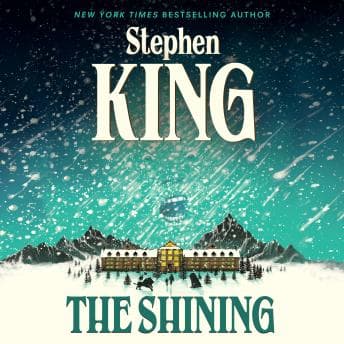

The "Is It Boring or Is It Art?" Debate
Okay, let's rip the band-aid off immediately. If you go into the Reddit threads about this audiobook, half the people are screaming that Campbell Scott is boring. That he's monotone. That he sounds like he's reading a grocery list rather than one of the most famous horror novels of the 20th century.
They're wrong. Well—mostly wrong.
I listened to this over the course of a week, mostly between the hours of 11 PM and 2 AM. (Yes, my sleep schedule is a disaster, and yes, I blame Stephen King.) And here is the hill I will die on: Campbell Scott's "monotone" delivery isn't laziness. It's a vibe. It's this clinical, detached, almost dissociative performance that mirrors exactly what the Overlook Hotel does to your brain.
Kubrick's movie (don't come for me, film bros) is about a guy who is crazy from frame one. King's book—and Scott's narration—is about the slow, agonizing erosion of a man who is trying so hard to be good. Scott plays it straight. He plays it dry. So when Jack Torrance finally snaps? It's not a caricature. It's terrifying because it sounds like the guy next door just decided to pick up a roque mallet.
The Technical Nightmare (Not the Fun Kind)
We need to talk about the production quality. Seriously, who mixed this? I had my headphones at max volume, and there were still moments where I felt like I was trying to eavesdrop on a conversation happening three rooms away.
It's quiet. Like, frustratingly quiet.
If you're listening on the subway or while vacuuming? Forget it. You won't hear a thing. This is strictly a "alone in a quiet room" audiobook. Which, to be fair, is how you should be consuming horror anyway. But still—I shouldn't have to strain my ears to hear Danny Torrance screaming mentally. It pulls you out of the immersion when you're fiddling with the volume rocker every five minutes.
Why The Book Still Wins
Technical gripes aside, if you've only seen the movie, you haven't experienced The Shining.
The hedge animals.
(I'll pause here to let the book readers shudder.)
In the movie, we get a maze. Cool visuals. Whatever. In the audiobook, when Scott describes the hedge animals moving just when you aren't looking? It's pure, uncut dread. The pacing here allows the claustrophobia to set in. King is the master of the slow burn, and Scott respects the silence. He lets the pressure build—like that damn boiler in the basement—until you're physically tense. That same relentless dread permeates The Drawing of the Three, though King deploys it differently there—more existential terror than haunted hotel claustrophobia.
There's a specific scene in Room 217... look, I consider myself unshakeable. I've read it all. But listening to the description of the bathtub in the dark? I turned on my bedside lamp. Shirley (my cat, who usually judges my fear) was asleep, so at least I didn't lose face in front of her. But it got to me.
Who Should (and Shouldn't) Check In
If you want a narrator who does cartoonish voices and screams in your ear, go find something else. This isn't that performance.
But if you want psychological horror that feels like a cold draft in a warm room, Campbell Scott nails it. It's understated. It's creepy. It requires patience. Skip this if you need constant vocal fireworks or plan to listen anywhere with background noise. But for patient horror fans willing to sit alone in the quiet? Once the snowed-in claustrophobia hits, that dry delivery stops feeling "boring" and starts feeling like a noose tightening.
Just, you know... bring a good pair of noise-canceling headphones. You're gonna need the gain.