
I was folding laundry at 7 AM after a twelve-hour shift - that weird post-night-shift limbo where you're too wired to sleep and too tired to function - when the fisherman pulled that little girl out of his net. I stopped mid-fold with a sock in each hand and just stood there.
That's the thing about Läckberg. She doesn't ease you in.
Fjällbacka Keeps Its Secrets the Way Small Towns Do
I grew up hearing my lola talk about her barrio back in the Philippines - how everyone knew everything about everyone, and somehow that made the secrets worse, not better. Fjällbacka operates on the same logic. The murdered child isn't a stranger. She's a little girl Patrik and Erica knew. And that detail - that specific, awful detail - changes the whole texture of the investigation. This isn't a detective working a case. This is a man trying to hold himself together while looking at something that could've been his own kid. He's literally just become a father. The timing is not subtle, but it works because Läckberg earns it.
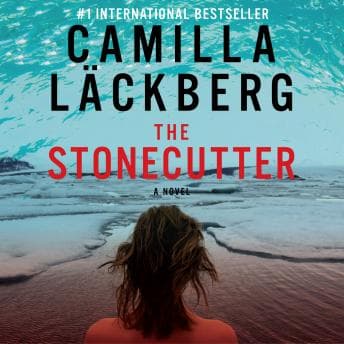
What got me was the 1920s stonecutter storyline running parallel to the present-day investigation. I kept waiting for it to feel like a distraction - that thing some crime novels do where the historical subplot is just set dressing. It's not. The secrets from that era don't just explain the present murder; they infect it. When the connection finally clicks, it's the kind of reveal that makes you replay the last hour of audio in your head going, oh. Oh, that's what that was.
I did not predict the killer. I thought I did. I was wrong. As someone who has spent fifteen years watching people lie to doctors, nurses, and themselves, I have a decent read on misdirection. Läckberg got me. I'm a little annoyed about it, honestly.
The early chapters do jump around - time, place, perspective - in a way that requires actual attention. This is not a background-noise book. I tried to half-listen while making breakfast and missed something important. Had to rewind. Twice. The multiple storylines and the sheer number of characters demand focus, especially in the first few hours. If you're the kind of listener who needs a clean, linear setup before things get complicated, the opening might frustrate you.
David Thorn and the Swedish Name Problem
Okay, let's talk about the narration, because this is where I have feelings.
Swedish names are genuinely hard. I know this because I've worked with Swedish-trained physicians and watched American residents try to pronounce their names during handoffs. It's a whole thing. Thorn handles the Fjällbacka cast - and there are a lot of them - with real consistency. He's not faking his way through unfamiliar syllables and hoping nobody notices. The characters stay distinct across 17 hours, which matters more than people realize until they're six hours in and can't remember if that was Patrik or the other detective.
His pacing is genuinely good. He knows when to slow down and when to push, and the chapter-ending cliffhangers land harder because of it. Where he loses me slightly is the occasional slurred 's' - it's not constant, but when it happens it pulls you out of the moment just enough to notice. Not a dealbreaker. More like a small audio hiccup in an otherwise solid performance.
The listeners who had him for earlier books in this series apparently mourned when the narrator changed afterward. I get it now.
Night Shift Approved, With One Caveat
Carlos asked why I looked upset when I came in to make breakfast. I said I was tired. I was not just tired.
This book goes to dark places - child murder, generational trauma, grief that people carry for decades and never name. It's not gratuitous, but it doesn't look away either. As someone who has sat with families in waiting rooms at 3 AM, I can tell you Läckberg writes grief the way it actually moves through people. Quietly. Sideways. In moments that catch you off guard.
This is not a decompress-on-the-drive-home book. It's more of a sit-with-it book. A focused-listen book. A book you finish and then need to go hug your kids book. Long Way Home left me with that same hollow, heavy feeling - grief written into the bones of a small community, the kind that doesn't resolve so much as settle.
If you like Nordic noir and you haven't started this series, start at book one - but know that this third installment is where Läckberg really commits to the darkness Fjällbacka has been hiding. If you're new to the genre and want something that rewards patience and doesn't let you off easy, this works as a standalone too. If child murder as a plot device is something you can't do right now, skip it. No judgment. Some days I can handle anything. Some days I cannot. Know which day you're having.