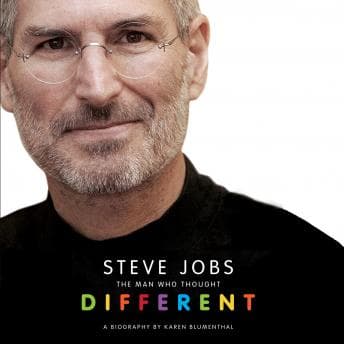

I picked this up because one of my students asked me why we never read biographies of "people who actually matter." She meant tech people. I told her we read Thoreau, which is basically the same thing if you squint. (She did not squint.)
So I downloaded this during a particularly brutal faculty meeting about standardized testing metrics and figured I'd see what all the fuss was about. Six hours later, I'm grading papers at my kitchen table, Denise is already asleep, and I'm genuinely moved by a book written for teenagers about a guy who made phones.
What Blumenthal Gets Right About the Man
Here's the thing about Steve Jobs biographies—there are approximately seven thousand of them, and most fall into two camps. Either he's a misunderstood genius who changed humanity, or he's a difficult jerk who happened to make pretty computers. Blumenthal does something smarter. She presents the contradictions without trying to resolve them.
Jobs abandoned his first daughter. Jobs also revolutionized how we interact with technology. Jobs screamed at employees until they cried. Jobs practiced Buddhism and sought enlightenment. The book doesn't ask you to pick a side. It just shows you the whole messy picture and trusts you—a young adult reader, mind you—to hold complexity in your head.
This is why we still read the classics, honestly. The best literature doesn't tell you what to think. It gives you the material and respects your intelligence. Bossypants does something similar—Tina Fey trusts you to see the contradictions in her own story without spelling everything out. Blumenthal's doing that here, just with a guy who wore turtlenecks instead of doublets.
The structure works beautifully for audio. She frames everything around that famous Stanford commencement speech—the "stay hungry, stay foolish" one that my students have all seen on YouTube but never actually listened to in full. By returning to those themes throughout, she gives the narrative a shape that keeps you oriented even when she's jumping around chronologically.
Sean Runnette and the Art of the Straightforward Read
I couldn't find much about Runnette's background before this, but based on what I heard—he's exactly what this material needs. No dramatic flourishes. No attempts to "do" Steve Jobs. Just clear, engaged narration that trusts the story to carry itself.
His pacing is particularly good for a book aimed at younger listeners. Not condescending, not rushed. He gives the technical explanations room to breathe without making them feel like homework. When Blumenthal describes the early Apple garage days, Runnette sounds genuinely interested. When she covers Jobs' cancer battle, he doesn't oversell the emotion. The restraint works.
Some reviewers have said he gets a bit dramatic in places. I didn't really notice that, though I was also half-listening during a section on early Macintosh development while trying to figure out if a student was plagiarizing their Gatsby essay. (They were. The prose deserves to be savored, but not copied verbatim from SparkNotes.)
At 1.0x speed—yes, I'm that person—the six hours felt appropriate. Not padded, not rushed. Worth pausing the faculty meeting for.
The "Kids & Family" Label Sells It Short
Look, this is marketed as a young adult biography, and I think that's both accurate and slightly limiting. Yes, Blumenthal writes accessibly. Yes, she explains things a teenager wouldn't automatically know about 1970s California counterculture or the early computing industry. But she's not dumbing anything down.
My students would probably hate the parts about Buddhist philosophy and calligraphy classes. I loved them. This reminds me of what Hemingway said about writing—that you should be able to leave things out if you know them well enough. Blumenthal knows this material cold, and she's made choices about what to include that feel deliberate rather than random.
The comparison to Isaacson's massive authorized biography is inevitable. That one's comprehensive but exhausting—over twenty hours of audio. This is the streamlined version for people who want the essential story without the corporate minutiae. If you want to understand a complicated, driven person who changed his field, this delivers that in a weekend.
Who Should Listen (And Who Should Skip)
Teachers looking for a gateway biography for reluctant readers? This is it. Adults who find Isaacson intimidating? Start here. Anyone who wants to understand why their iPhone exists without committing to a semester-long deep dive? Perfect fit.
Skip this if you want technical details about circuit board design or want to relitigate the Apple vs. Microsoft wars. This is character study first, tech history second. That's the same approach that makes Sergeant York and His People work—it's about the man, not just the mythology.
Class Dismissed
I'm going to recommend this to my student who asked the original question. She'll probably still think Thoreau is boring, but at least she'll understand that biography can be literature too. The form matters. The choices the author makes about what to include, what to emphasize, how to structure a life into narrative—that's craft.
Blumenthal has craft. Runnette serves it well. And I finished grading those papers with a slightly different perspective on what it means to think different. Even if that phrase makes me cringe a little every time I hear it.