
I was grading a stack of The Great Gatsby essays—the ones where every student misspells "Daisy" at least once—when I started this book. I needed something that wasn't a teenager's interpretation of the Jazz Age. I needed an adult conversation.
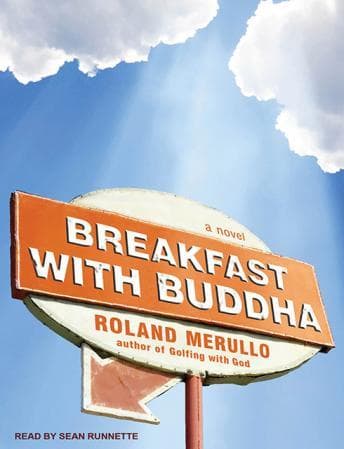
Breakfast with Buddha is basically the literary equivalent of a deep breath.
Here's the setup: Otto Ringling, a food book editor and confirmed skeptic (a man after my own heart), gets tricked into driving a guru, Volya Rinpoche, across the country. It's the classic American road trip trope. Kerouac did it. Steinbeck did it with his poodle. But Merullo does it with a monk in maroon robes who thinks a Hershey's chocolate factory is a spiritual experience.
Why the Skeptic Makes It Work
I usually cringe at "spiritual" fiction. It tends to be preachy, like that one colleague who insists on reading their poetry at the faculty holiday party. But Otto is the perfect anchor because he's annoyed by everything I would be annoyed by. He's neurotic, he's rushing, he's judging the guru's silence.
When they stop at a bowling alley in South Bend, you expect the scene to be slapstick. And it is, sort of. But Merullo uses the sound of the pins crashing and the awkwardness of the rental shoes to get at something real about letting go of control. I found myself pausing the playback while walking the lakefront, just staring at the water, thinking about my own need to control the syllabus every semester. The author understands that wisdom doesn't always come from a mountaintop; sometimes it comes from a strike in frame seven.
Sean Runnette's Quiet Genius
Let's talk about Sean Runnette.
If you're used to narrators who act out every scene with high drama, Runnette might jar you at first. He doesn't do that. He has this dry, gravelly, NPR-at-3-AM quality to his voice. It's understated.
For a book that relies entirely on dialogue and internal monologue, this approach is genius. When he voices Rinpoche, he doesn't do a stereotypical "wise old man" caricature. He just softens the edges. He adds a pause. It's a lesson in restraint. There were moments—specifically during the conversations in the car about death and desire—where Runnette's delivery felt less like an audiobook and more like I was eavesdropping from the back seat.
My students would say his voice is "chill." I'd say it's the audio equivalent of a comfortable armchair.
Who Should Hit Play (And Who Should Skip)
This isn't a plot-heavy thriller. If you need explosions or cliffhangers, go pick up a Jack Reacher novel (no judgment, I listen to those during finals week). Or if you want something with actual plot momentum but still literary, Where the Crawdads Sing splits the difference nicely. This is a slow burn. It's 10 hours of conversation, landscape descriptions, and internal shifting.
If you've ever felt like the noise in your head is louder than the world around you, or if you're just tired of being cynical, this is your book. It's funny without being goofy, and deep without being heavy. Skip it if you need constant forward momentum—you'll be checking your phone by hour two.
Class Dismissed
I finished it on a Sunday night, dreading the Monday morning bell. And for the first time in twenty years, I didn't feel the usual knot in my stomach. I just felt... okay. And that, frankly, is worth the credit.