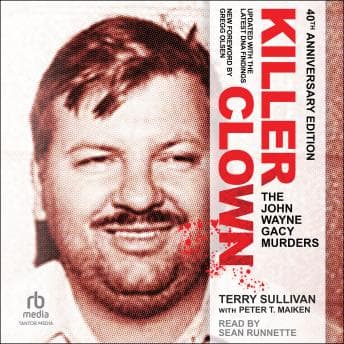

"He was a model citizen. A hospital volunteer."
That's how this book opens, and honestly? That's the hook that keeps you listening for fifteen hours straight. Because we all know how this sentence ends. We know about the crawlspace. We know about the clown makeup. But Terry Sullivan - the actual prosecutor who put Gacy away - makes you understand how nobody saw it coming. And that's the part that haunts you.
I listened to this during a week of late shifts at the library. Empty stacks, fluorescent lights humming, just me and Sean Runnette's voice detailing one of the most methodical investigations in true crime history. Was it a good idea? Probably not. Did Shirley judge me when I came home at midnight looking slightly traumatized? Absolutely.
Why This Isn't Your Typical Serial Killer Cash-Grab
Look, I've consumed a lot of true crime. Podcasts, documentaries, books - the genre has a problem with sensationalism. Authors who treat victims like props and killers like fascinating puzzles to be admired. Sullivan doesn't do that. That same respect for victims is what made Other Mrs. work for me—no exploitation, just truth. He can't. He was there. He saw those bodies come out of the crawlspace. He sat across from Gacy during interrogations.
What makes this different is the procedural focus. This isn't "let me tell you about a monster." This is "let me show you how we caught him, step by painful step." The investigation unfolds with all its frustrations - dead ends, jurisdictional headaches, the agonizing wait for search warrants while you know there are bodies under that house. Sullivan writes with the precision of someone who had to present this evidence to a jury, and it shows.
The structure threw me at first. It's not strictly chronological. You're jumping between Gacy's past, the investigation, the trial prep. It requires attention. But once you settle into the rhythm, you realize Sullivan is building something - showing you how all the pieces that should have stopped Gacy earlier kept slipping through cracks in the system.
Sean Runnette Understands the Assignment
Here's where I get passionate. True crime narration is a minefield. Go too dramatic and you're exploiting tragedy. Go too flat and you're disrespecting the gravity of what happened. Runnette walks this line perfectly.
His delivery is measured. Clear. He doesn't perform Gacy's voice with theatrical menace - he reads the man's words and lets the horror speak for itself. When Sullivan describes finding remains, Runnette doesn't drop into hushed reverence or amp up the intensity. He just... tells you. And somehow that restraint makes it hit harder.
The man has multiple AudioFile Earphones Awards for a reason. His pacing through the legal proceedings - which could easily become dry - keeps you engaged. He makes depositions interesting. That's a skill.
(My podcast listeners are going to love this recommendation, by the way. This is exactly the kind of narrator commitment I'm always talking about.)
The Gut-Punch Moments
I won't pretend this is easy listening. It's not. The content warnings exist for a reason - violence, abuse, descriptions of what was done to those young men. Sullivan doesn't sensationalize, but he doesn't sanitize either. You're getting the truth, and the truth is devastating.
What got me wasn't actually the crime details. It was the families. The parents who reported their sons missing and were told runaways don't get investigated. The system failures that let Gacy continue. Sullivan's anger about this bleeds through even in his measured prose, and Runnette captures that simmering frustration.
There's a section on Gacy's earlier conviction - before the murders started - that made me pause the audiobook and just sit with it. He served time. He got out. And the system essentially handed him a fresh start to become what he became. Sullivan understands that horror isn't about gore - it's about dread. The dread of knowing what's coming and watching everyone miss the signs.
Who Should Listen (And Who Should Skip)
Best for: True crime readers who want substance over spectacle. If you've read Ann Rule, if you appreciate investigative journalism that respects both victims and readers' intelligence, this is your book. Commuters who can handle heavy content during their drive. Anyone interested in how criminal investigations actually work.
Skip if: You want a quick, sensational read. This is fifteen hours of detailed procedure. It rewards attention but punishes skimming. Also, obviously, skip if graphic descriptions of violence and abuse are triggers. Sullivan doesn't exploit, but he doesn't look away either.
I listened at 1x speed, which I almost never do for nonfiction. The material deserved that pace. Runnette's delivery benefits from not being rushed.
Would I Listen Again?
No. But not because it's bad - because it did its job. This isn't entertainment. It's documentation. It's a prosecutor's record of how justice was served for twenty-nine young men whose deaths could have been prevented. You don't revisit that for fun.
But I'm glad I listened. True crime that respects the genre. That respects the dead. That gives you the full, uncomfortable truth without turning tragedy into spectacle.
Sullivan was there. Runnette honors that. And now I need to go pet my cat and think about literally anything else.