
"If it is a devil you seek, then it is a devil you shall have!"
That line hit me somewhere around hour ten, and I actually said "oh HELL yes" out loud in the board game aisle at my local shop. People stared. I did not care.
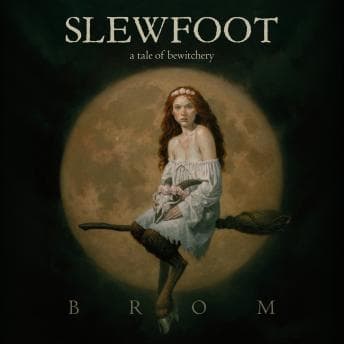
So look - I picked up Slewfoot because I've been on a Brom kick ever since someone in my D&D group pitched The Child Thief as "Peter Pan but make it a horror one-shot." Brom does this thing where he takes folklore and mythology, strips away the Disney veneer, and shows you the blood and teeth underneath. Slewfoot is him doing that to Colonial New England, and it works way better than it has any right to. Akata Witch scratches a similar itch — folklore treated as something alive and dangerous rather than decorative background, with a protagonist who has to navigate power structures that were never built with her in mind.
The Magic System Is Ancient and It Knows It
Here's what grabbed me: Slewfoot isn't your standard fantasy creature. He's this old, confused spirit who wakes up in the Connecticut woods in 1666 with fragments of memory - he's been called Father by the wildfolk, and now Puritan settlers are calling him a devil. And he doesn't fully know which one he is. That identity crisis drives the entire book. It's not a hard magic system like Sanderson (nothing is, let's be honest), but Brom builds this earthy, pagan power structure around Slewfoot that feels genuinely old. The wildfolk - these small forest creatures who serve him - treat him with this mix of reverence and fear that reminded me of the fey courts in some of the better D&D modules I've run. You get the sense that this spirit existed long before anyone had words for "demon" or "god," and the labels humans slap on him are just... insufficient.
Abitha is the real anchor though. Recently widowed, stuck in a Puritan community that wants her land and has zero interest in her autonomy, she's cornered in every direction. The village politics here are brutal - not sword-and-sorcery brutal, but the quiet, suffocating kind where your neighbors smile at you on Sunday and scheme to take your property on Monday. When she turns to Slewfoot, it's not because she's naive. It's because literally every human institution has failed her. My D&D group would love this as a campaign setup - the moral ambiguity is chef's kiss.
The Middle Kingdom Drag (Yes, It's Real)
Okay, I have to be honest. There's a stretch somewhere in the middle - maybe hours six through nine - where the pacing gets genuinely sluggish. The Puritan village politics, which start out tense and interesting, loop back on themselves. Another town meeting. Another scheme by the elders. Another scene of Abitha being pushed around before she pushes back. I've seen other listeners say the same thing, and they're not wrong. If you weren't hooked by the Slewfoot mythology, this is where you'd bail.
But here's the thing: Barrie Kreinik's narration carried me through those slower stretches. She does this thing with Abitha's voice where you can hear the steel growing underneath the fear - early Abitha sounds almost apologetic for existing, and by the back half she's practically snarling. The shift is gradual enough that you don't notice it until suddenly you're listening to a completely different woman. And her Slewfoot voice has this low, uncertain rumble that sells his confusion about his own nature. It's not the Steven Pacey tier of "every character sounds like a different human being" (Steven Pacey walked so other narrators could run, obviously), but Kreinik earned that AudioFile Earphones Award. When suspense ramps up, her delivery gets tight and breathless in a way that had me walking past my apartment building because I couldn't pause.
Who's Rolling Initiative on This One
If you're into dark fantasy with real historical weight - think folk horror more than epic fantasy - this is absolutely your jam. Fans of Brom's art-driven storytelling will recognize his eye for the grotesque and the beautiful existing in the same frame. If you like your fantasy with a feminist edge and genuine moral complexity about what "evil" even means when the "good" people are burning women alive, get in here.
But if slow middle sections kill a book for you, or if you need constant action to stay engaged, know what you're getting into. This is 14 hours, and not all of them are running at full speed. The payoff in the final act is worth it - Brom goes full chaos and it rules - but you have to survive the Puritan committee meetings first.
I read this instead of writing my thesis. Dr. Patel, if you're reading this: I was "researching procedural generation of narrative structures." That's basically what Brom does. Right?
My Thesis Can Wait, This Forest Spirit Cannot
Grab this for a focused listen when you want something dark and atmospheric. It's not the longest fantasy audiobook I've ever committed to, but it demands your attention - background listening won't cut it. The world-building is specific and lived-in, the central relationship between Abitha and Slewfoot is genuinely fascinating, and Kreinik's performance elevates the whole thing past its pacing issues. Solid pick for your next credit.