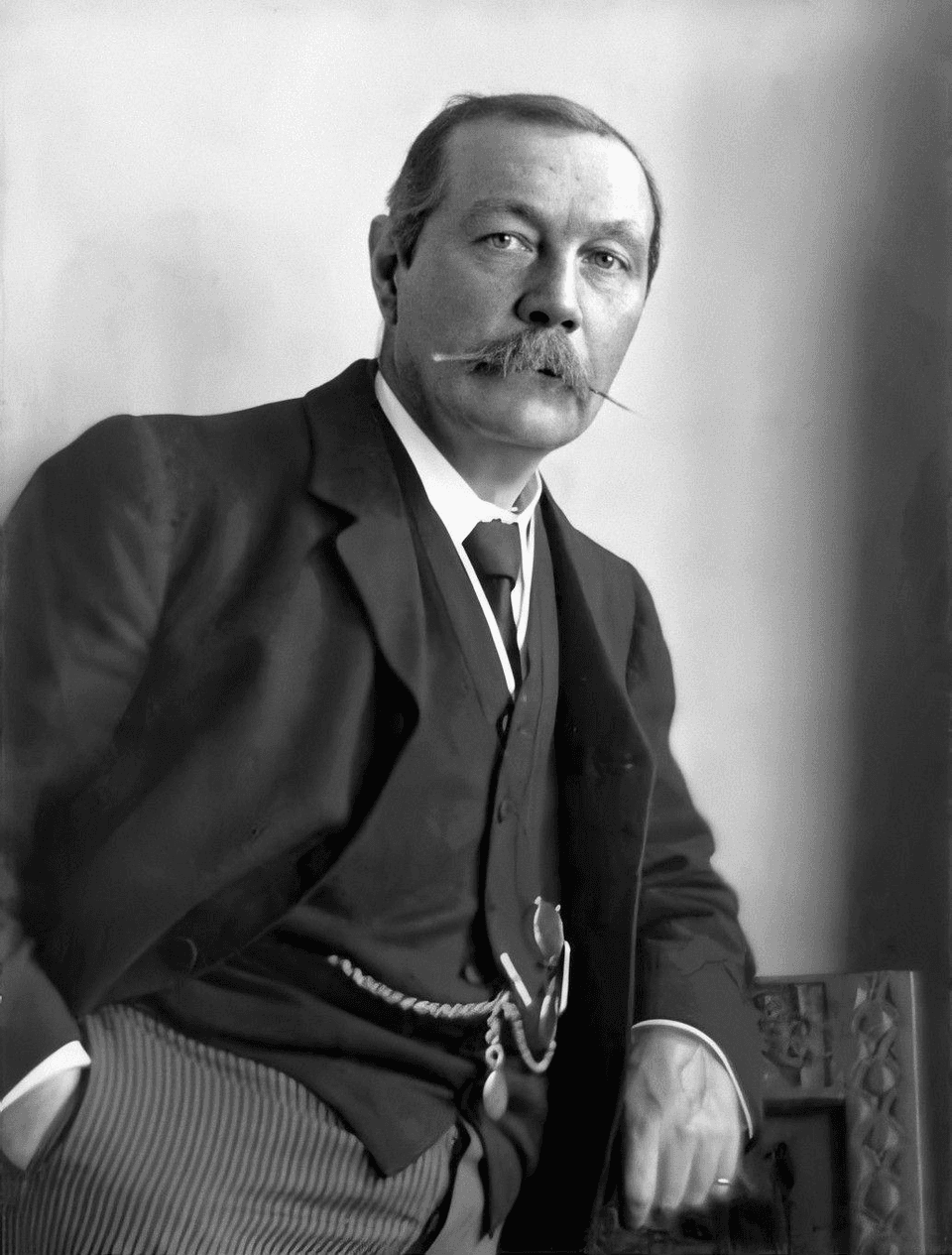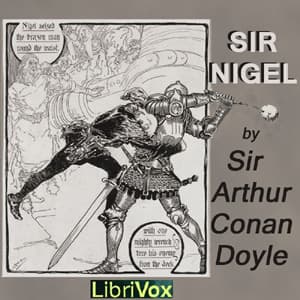

Conan Doyle wrote Sherlock Holmes to pay the bills. He wrote Sir Nigel because he loved it.
That distinction matters. You can hear it in every sentence—the way he lingers over descriptions of medieval England, the obvious affection he has for his young knight-in-training. I've taught Conan Doyle in my British Lit unit for fifteen years, and I always tell my students: if you want to understand what the man actually cared about, skip the detective stories and find his historical fiction. They never listen. (They're teenagers. Of course they don't listen.)
I finished this one during a week of late-night grading sessions. There's something almost perversely appropriate about listening to tales of chivalric honor while marking essays about symbolism in The Great Gatsby. Nigel Loring would never have understood Gatsby's green light. He would have ridden toward it with a lance.
When the Author Becomes the Narrator's Best Friend
Clive Catterall understands something crucial about Conan Doyle's prose: it's meant to be declaimed, not merely read. The Victorian sentences roll and crest like waves, and Catterall rides them beautifully. His reading of Aylward—the archer who becomes Nigel's companion—captures exactly the rough-hewn loyalty Doyle intended. There's a working-class warmth there that contrasts perfectly with Nigel's earnest nobility.
The battle scenes, though. Here's where I'll be honest with you. Around the siege of La Dorade and the later French engagements, I found myself rewinding more than once. It's not Catterall's fault—medieval combat is genuinely confusing when you can't see the tactical positioning. Doyle writes these sequences with a historian's precision, naming every knight and their heraldry, tracking formations across fields. On the page, you can pause and diagram it. In audio, it becomes a beautiful blur of steel and shouting.
My solution: I stopped trying to follow every thrust and parry. Let the chaos wash over you. That's probably more authentic to actual medieval warfare anyway.
The Prequel Nobody Asked For (That We Needed)
Here's something my students would find hilarious: Sir Nigel is technically a prequel. Conan Doyle wrote The White Company first, then went back to tell young Nigel's origin story. It's like if Shakespeare had written Henry IV, Part 1 and then gone back to show Prince Hal learning to tie his shoes.
But it works. Nigel's journey from impoverished heir to proven knight follows the classic romance structure—not romance as in love stories, but Romance as in the medieval literary tradition. Trials, tests, a lady to serve, honor to be won. Doyle knew his Malory. He knew his Froissart. This is a man who read the chronicles and thought: I want to live there.
The 1348 setting gives everything weight. The Black Death lurks at the edges. The monks of Waverley have stripped Nigel's family of everything. When the young man finally gets his chance to ride to war in France, you feel the desperation underneath the chivalric veneer. He's not just seeking glory—he's trying to rebuild a name.
What Conan Doyle Really Believed
I teach a lesson every year about authorial obsession—the subjects writers return to again and again, regardless of what made them famous. For Doyle, it was this: the idea that honor and courage still matter, even when the world has become cynical about such things.
Nigel Loring is almost aggressively virtuous. He could easily become insufferable. But Doyle—and Catterall's reading—keeps him human. There's a scene where Nigel must choose between personal glory and tactical wisdom, and you can hear the struggle. The prose deserves to be savored. Catterall gives it room to breathe.
At 1.0x speed, naturally. My students think I'm ancient for insisting on this. But the author chose those words, and Doyle chose them with particular care here. Rush through Sir Nigel and you'll miss the rhythm of the thing.
Who Should Saddle Up (And Who Should Stay Home)
If you loved Bernard Cornwell's medieval work, this is its spiritual ancestor. Cornwell has acknowledged the debt. That same blend of historical authenticity and mythic storytelling shows up in Song of Achilles: A Novel, though Madeline Miller trades medieval England for ancient Greece. If you've ever wished fantasy novels would just admit they're really about the 14th century, here's the real thing.
Skip this if you need constant action, if battle scenes without visual aids frustrate you, or if Victorian prose feels like homework. It's a commitment—twelve hours of chivalric idealism, delivered with absolute sincerity.
Worth Pausing the Faculty Meeting For
I listened to the final chapters while supposedly paying attention to a curriculum review. (Principal Martinez, if you're reading this: I was definitely engaged with the assessment rubric discussion. I was not listening to a young knight earning his spurs in medieval France.)
Clive Catterall delivers a reading that honors what Conan Doyle actually cared about. Not the mysteries that made him rich, but the historical romances that made him happy. There's something moving about that—an author's passion project, finally getting the performance it deserves.
My students would hate this. Too slow. Too earnest. Too many words they'd have to look up.
I loved it.