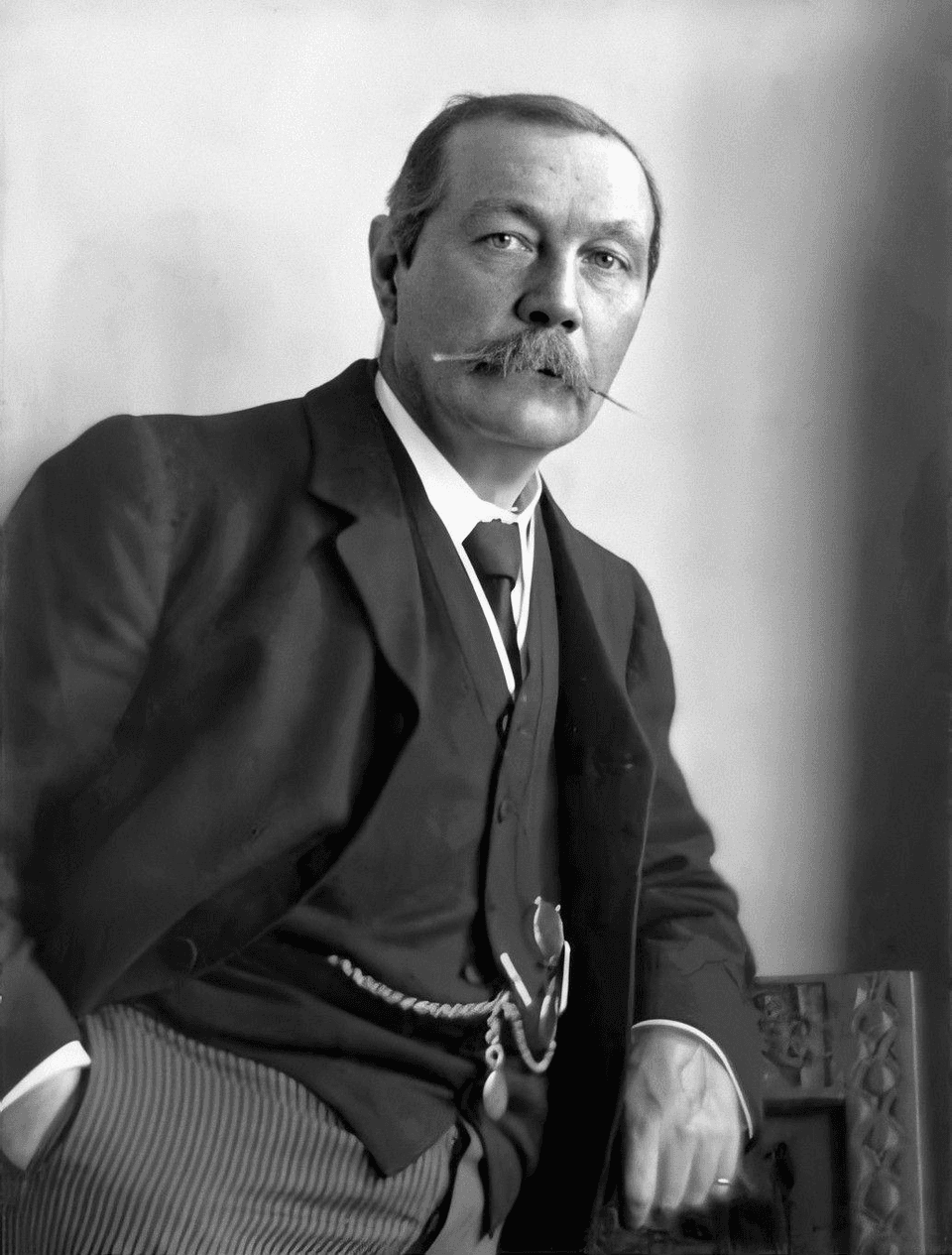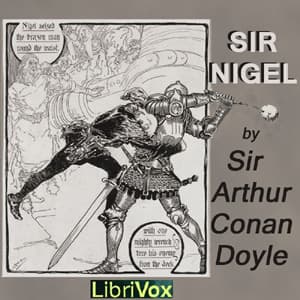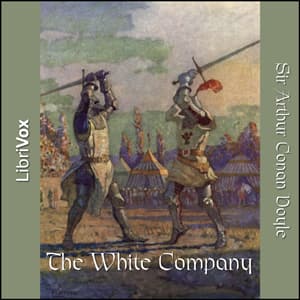

Most people don't realize Sir Arthur Conan Doyle actually kind of hated Sherlock Holmes. If you want proof of his detective obsession, just listen to Memoirs of Sherlock Holmes—the series he kept trying to kill off. Seriously. He thought the detective stories were cheap potboilers keeping him from his "real" work—historical novels like this one. I usually roll my eyes when authors claim their obscure passion projects are their best work (looking at you, every musician's experimental jazz album), but in this case? Doyle might've had a point.
The Voice That Saves the History Lesson
Let's be real—medieval dialogue is a minefield. One wrong move and you sound like a bad actor at a Renaissance Faire yelling "Huzzah!" while eating a turkey leg.
Clive Catterall, though? He handles it like a pro.
I hadn't listened to Catterall before, but he manages something difficult here: he respects the archaic rhythm of the language without making it sound like a dusty textbook. He brings that same clarity to The Prince, another historical text that could easily sound like homework. He understands that even in the 1300s, people were just people. They joked, they got annoyed, they had distinct personalities.
He specifically nails the character of Aylward. (My students think "character voice" means doing a bad accent, but Catterall shows it's actually about cadence and attitude). There's a liveliness to his delivery that kept me awake during a very long, very boring faculty meeting about standardized testing. When the text gets heavy with historical detail—and Doyle loves his details—Catterall speeds up just enough to keep the momentum. He knows when to pause and let a joke land, which is surprising because I didn't expect to be laughing at a book about the Hundred Years' War.
Not Just Knights Clanking Around
If you're expecting a dry, serious war slog, this isn't it. It's got this weirdly funny, Chaucerian vibe.
We follow Alleyn Edricson, a young guy raised by monks who gets thrust into the world of knights and archers. Classic "sheltered kid meets the real world" setup. (Think Harry Potter meets Kingdom of Heaven, but with more walking).
The magic here isn't the plot—which is your standard "go to war, win the girl, prove your honor" deal—it's the camaraderie. The banter between the archers and the men-at-arms feels genuine. Doyle was a history nerd, sure, but he knew how to write a scene that feels like a hangout.
And honestly, listening to this felt like a relief. I spend all day analyzing symbolism in books that take themselves very seriously. The White Company takes its history seriously, but it lets its characters breathe. It's adventurous. It's colorful. It's not trying to depress you.
Why We Still Read the "Other" Doyle
Here's the thing: if you only know Doyle for the fog-covered streets of London, this is going to feel like a shock to the system. It's brighter. Louder.
It reminds me a bit of reading Ivanhoe, except I actually enjoyed this one. (Don't tell the curriculum board I said that). It has that same sweeping, romantic view of the Middle Ages, but the prose feels fresher, punchier.
Is it perfect? No. It's 14 hours long, and there are moments where the "thees" and "thous" get a bit thick. If you're used to modern thrillers where something explodes every four pages, this might feel like a slow burn. But the payoff is worth it.
Who's this for? History buffs who want adventure without the academic dryness. Fans of Doyle curious about his other side. Anyone who needs a break from grimdark fantasy. Skip it if you can't handle archaic language or need constant action—this one rewards patience.
I listened to the last few chapters while walking the dog along the lakefront, and I found myself actually slowing down because I didn't want to leave this world yet. That's the mark of a good narrator and a great story.
Class Dismissed
Doyle wanted to be remembered for this book. We didn't listen to him. But maybe we should've.