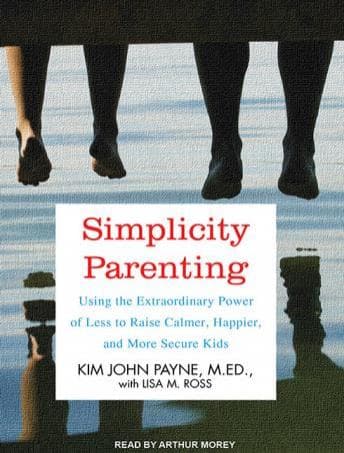

Most parenting books are just guilt trips with footnotes. They give you a list of fifty things you aren't doing but absolutely should be, usually involving organic kale or flashcards at 5 AM. Simplicity Parenting is the opposite. It's an operations manual for reducing overhead.
Lean Manufacturing for Your Living Room
Here's the premise: We are breaking our kids by drowning them in stuff and choices. The author, Kim John Payne, basically argues for a supply-chain optimization of childhood. (My words, not his). He suggests cutting toys and clutter by 50%. Then, once you've done that, cut it by another 50%.
My parents did this instinctively in the 90s, mostly because we were broke and running a dry cleaner 14 hours a day. I didn't have "sensory overload" because my sensory input was limited to school and the smell of perchloroethylene. But looking at my own kid's playroom—which looks like a Toys "R" Us exploded inside a landfill—the logic hits home.
The book argues that too much "input" (toys, screens, choices) creates anxiety. It's basic economics. Scarcity creates value. When my kid has three trucks, he plays deep. When he has forty, he throws them at the cat. The chapters on "Rhythms and Rituals" are essentially just Standard Operating Procedures (SOPs) for the home. Predictability lowers stress. It works in business, and apparently, it works for toddlers who refuse to put on pants.
Arthur Morey: Handle With Caffeine
If you listen to high-octane business books like I do—where the narrator sounds like he's trying to sell you a timeshare while doing burpees—Morey is a jarring gear shift. He is calm. Painfully calm. He sounds like a tenured history professor reading poetry to a golden retriever.
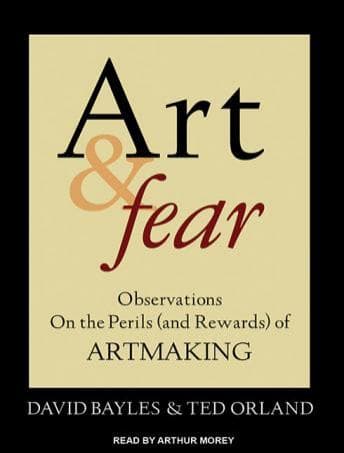
At 1.0x speed, I honestly thought my app was broken. It was dragging. I bumped him up to 2.0x, and suddenly he sounded like a normal conversationalist. If you're looking for drama, this isn't it. But if you're stressed out of your mind because your toddler just painted the dog blue, his voice might actually lower your blood pressure. Just don't listen while driving late at night. You will fall asleep at the wheel. Morey also narrates Art & Fear, where his measured delivery actually works—turns out his voice is perfect for existential creative anxiety, just not toddler logistics.
The ROI on Throwing Stuff Away
Comparison time: Think of this as Marie Kondo meets Atomic Habits, but strictly for keeping your kids from needing therapy later.
I've read the "Tiger Mom" books. I've read the data-driven Emily Oster books. This sits in a weird middle ground—it's softer, vaguely Waldorf-y (which usually makes my eyes roll), but the tactical advice is solid gold.
Jenny (my wife) loved the emotional side of it. I loved the efficiency. We cleared out four garbage bags of toys last weekend. The result? The kid actually played with the wooden blocks for an hour without asking for an iPad.
Who Gets Value Here
Listen if: You're drowning in kid clutter and want permission (plus a framework) to throw half of it away. Skip if: You need hard data and citations—this leans philosophical, and the "soul fever" chapters will test your patience.
Bottom line: Skip the fluff in the middle if it gets too woo-woo for you. Focus on the environment and the schedule. It's a high-yield listen if you respect the 2.0x button.