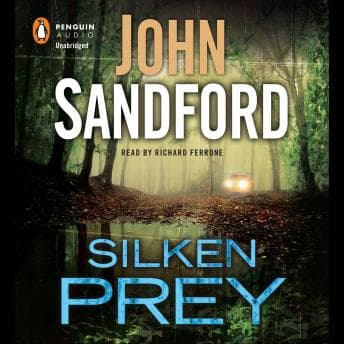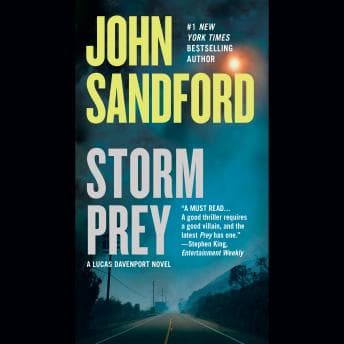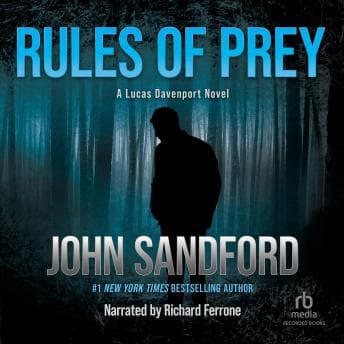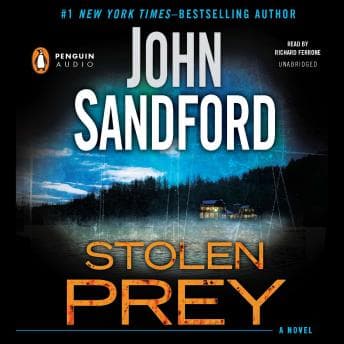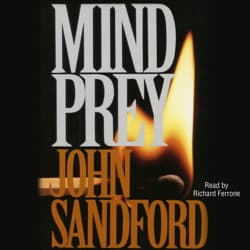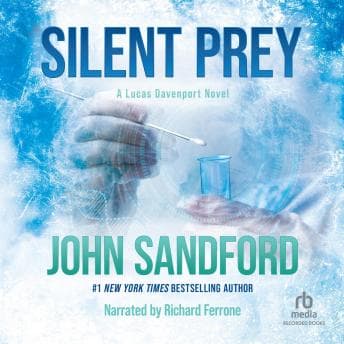

Bekker is back. And honestly? I should have seen this coming.
Look, I've been following the Prey series for a while now, and there's something almost clinically fascinating about how Sandford handles his villains. Bekker isn't just a bad guy - he's a case study in narcissistic rage with a side of genuine psychopathy. The man experiments on patients' pain thresholds. He's had his beautiful face destroyed by Davenport. And now he's sitting in prison, nursing a grudge that's basically a textbook example of rumination theory. "You should have killed me" - that's not a threat, that's a promise wrapped in obsession.
The Psychology of a Perfect Villain
What makes this book work - and I mean really work on a psychological level - is that Sandford understands something most thriller writers miss: revenge isn't about the act, it's about the anticipation. Bekker's time in prison isn't wasted narrative space. It's pressure building. The research actually shows that rumination strengthens neural pathways associated with the original injury. Every day Bekker spends thinking about Davenport, he's literally rewiring his brain for vengeance.
Sandford writes this with his characteristic blunt, nuts-and-bolts style. No purple prose, no overwrought metaphors. Just the steady accumulation of dread. Flicker in the Dark builds that same kind of dread through its protagonist's obsessive patterns. I found myself asking: why does Bekker's obsession feel so authentic? Because Sandford doesn't try to make him sympathetic. He just makes him comprehensible. There's a difference, and most authors don't get that.
Richard Ferrone's Gravelly Magic
Richard Ferrone. The man has a voice like whiskey and cigarettes had a baby that grew up to solve crimes. His narration here is pretty much exactly what you want for a Lucas Davenport thriller. Gravelly, dramatic, paced like he knows when to let a moment breathe and when to punch.
His character work is solid. Really solid. The way he differentiates between Davenport's world-weary competence and Bekker's coiled menace - it's not just different voices, it's different rhythms. Different breathing patterns. (My therapist would have thoughts about how much attention I pay to fictional breathing, but here we are.)
That said - and I have to be honest here - his female characters are a bit of a weak spot. There's something slightly off-putting about how he voices women, though I couldn't pinpoint exactly what goes wrong. It's not a dealbreaker, but it's noticeable. Also, his natural East Coast accent doesn't quite match Minnesota. Does it matter for the story? Not really. Did my brain notice? Every. Single. Time.
Where the Tension Actually Lives
The thing about sequels in thriller series is they can feel like obligation. Like the author's just checking boxes. Pieces of Her does something similar with its exploration of inherited trauma and the monsters parents leave behind. But Silent Prey earns its existence because it's doing something psychologically interesting - it's exploring what happens when you leave a monster alive.
Davenport's choice to maim rather than kill Bekker isn't just plot mechanics. It's a character decision that haunts the narrative. Classic patterns of someone who made a choice in anger and now has to live with the consequences. That's compelling. That's human.
I listened to most of this during my morning jogs through Cambridge, and there were moments - particularly in the prison sequences - where I actually slowed down because I didn't want to miss anything. (My therapist says exercise helps. She's right. But Sandford doesn't make it easy to keep moving.)
Who's This For (And Who Should Run)
If you're already a Davenport fan, this is essential listening. If you're new to the series... maybe start earlier? But honestly, Sandford writes these things so you can jump in almost anywhere. Skip this one if you need well-developed female characters or if regional accents pull you out of a story - Ferrone's East Coast delivery won't let you forget you're not actually in Minnesota.
The psychology tracks. The tension builds. The ending satisfies. Just don't expect nuanced female voices. And maybe mentally relocate the whole thing to New Jersey. It'll be fine.