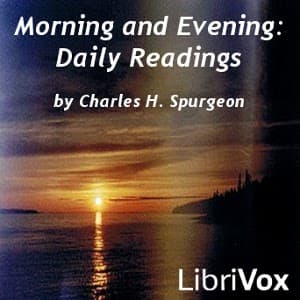

Okay, look. I have a bone to pick with the concept of consistency. In my lab, we control variables. We want clean data. But LibriVox? LibriVox is the Wild West of audiobooks, and honestly, it drives my Type-A brain a little crazy before it eventually—weirdly—calms me down.
I started listening to this collection during a particularly brutal morning run along the Charles River. (My therapist says I run to outpace my anxiety; I say I run so I can eat more naan later. We agree to disagree.) I was expecting a polished, cohesive anthology. What I got was a potluck dinner where someone brought gourmet lasagna and the next person brought store-bought napkins.
The Audio Roulette Wheel
Here's the thing about volunteer narrators—you never know who's going to show up in your earbuds. With this collection, you get ten different stories and a revolving door of voices. Psychologically, this is jarring. Just as I was settling into one narrator's cadence—who had this crisp, "newsman" vibe that actually worked for the 1920s setting—the story ended, and the next track sounded like someone recording in a closet with a slight echo.
It breaks the immersion. Hard.
One narrator was so monotone I found myself diagnosing them with flat affect instead of paying attention to the plot. But then, another voice would pop up—full of character, distinct intonation—and pull me right back in. It's a fascinating case study in how much "voice" alters perception. I noticed the same phenomenon with Story of Mankind—same volunteer setup, wildly different emotional impact depending on who's reading. The text is constant (public domain classics), but the delivery changes the emotional weight entirely. It's messy. But maybe that's the point?
Vintage Motives Hit Different
Despite the audio whiplash, I stuck with it. Why? Because these old stories scratch a very specific itch. Modern thrillers are obsessed with the "unreliable narrator" or the "twist you never saw coming" (which, let's be real, I usually see coming by chapter three).
These classic tales are different. They deal in primal, straightforward motives. Greed. Jealousy. Revenge. House of a Thousand Candles operates on that same wavelength—vintage mystery with clean, uncomplicated stakes. The human mind hasn't changed much in a hundred years, apparently. We're still just hairless apes doing terrible things to each other for money.
There's something comforting about the simplicity. Listening to these while I chopped onions for dinner (crying from the onions, definitely not from existential dread), I realized I didn't need to over-analyze the characters. They were archetypes. The narration, flawed as it was, felt kind of... authentic? Like hearing a ghost story around a campfire rather than a produced Hollywood script.
Who's Got the Patience for This?
If you need high-fidelity production values to enjoy a book, run away. Seriously. You will hate this. But if you're like me—fascinated by the raw edges of storytelling and willing to forgive some technical hiccups—it's oddly charming. It's free, it's nostalgic, and it's a good reminder that perfect is, well, boring. Plus, the stories are short enough that if you get a narrator you can't stand, you only have to suffer for twenty minutes.
(And let's be honest, I've sat through faculty meetings way longer and way more painful than that.)