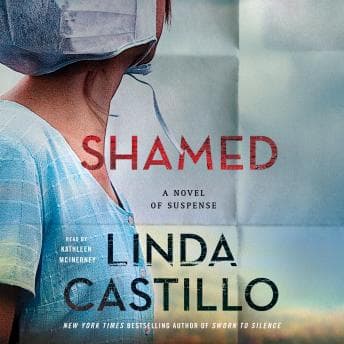

Three AM in the trauma center, the kind of quiet that makes you nervous. I'm caught up on charting for once, which never happens, and I've got my earbuds in listening to Kate Burkholder race against time to find a kidnapped Amish girl. The irony of listening to someone else's emergency while waiting for mine isn't lost on me.
Here's the thing about Shamed that surprised me—I expected another cozy-ish Amish mystery. What I got was something darker, more urgent. A grandmother murdered on an abandoned farm, a seven-year-old vanished, and a community whose silence isn't just cultural—it's deliberate. Castillo doesn't let you forget that clock ticking.
When the Medical Details Actually Track
Look, I yell at my dashboard a lot. Authors love to throw around medical terminology like confetti and hope nobody notices when it's wrong. Castillo? She does her homework. The crime scene descriptions, the way Kate processes evidence, the aftermath of violence on a body—it's not gratuitous, but it's accurate. As someone who's actually worked a code, I appreciate when writers understand that death isn't clean or poetic. It's messy and it lingers.
The brutality here serves the story. It's not torture porn. There's a grandmother who died protecting her granddaughter, and Castillo makes you feel that weight without exploiting it.
Kathleen McInerney Gets It
I've listened to enough audiobooks to know when a narrator is phoning it in. McInerney isn't. Her Kate Burkholder has this edge—professional but personal, because Kate grew up Amish before she left. McInerney walks that line perfectly. When Kate slips into Pennsylvania Dutch phrases, it sounds natural, not like someone reading phonetically off a page.
What really got me was how she voices the Amish characters. There's this quiet dignity—not simpering or naive, just... different. Reserved in a way that makes sense for the culture. When the family is clearly hiding something, you hear it in the pauses, the careful word choices. McInerney makes you understand why Kate is frustrated without making the Amish seem like obstacles.
The Secrets That Actually Matter
This is book eleven in the series, and I'll be honest—I haven't listened to all of them. But Castillo does something smart here. The mystery isn't just "who took the girl." It's "what is this family hiding that made them a target?" And the answer goes deep. Like, generations deep.
There's a subplot about an isolated Old Order settlement along the river where tradition isn't just important—it's enforced. The cryptic notes left at crime scenes? They're not just creepy props. They're breadcrumbs leading to something genuinely tragic. When the truth comes out, I understood why the family stayed silent. Didn't agree with it, but understood. That same gut-punch of understanding human darkness came through in Dracula, where the horror isn't just the monster—it's what people do to survive it.
Carlos asked why I was crying in the car on the drive home. I blamed allergies. He didn't believe me.
Where It Drags (Honesty Hour)
I get why some listeners found this one slower than other entries. There's a lot of community dynamics, a lot of Kate navigating the tension between her job and her Amish roots. If you want non-stop action, this isn't it. The pacing is more procedural than thriller—Kate interviews witnesses, follows leads, hits dead ends. Real police work, basically.
For me, that worked. I like procedurals. But if you're looking for that constant adrenaline hit, you might find yourself checking how much time is left. Nine hours is a commitment, and the middle section definitely takes its time.
Who Should Press Play (And Who Should Keep Scrolling)
Perfect for that post-shift decompression when you want something engaging but not chaotic. If you appreciate police procedurals that respect both the investigation and the community being investigated, this delivers. Fans of the series will love seeing Kate's continued struggle with her past. Newcomers can jump in here—Castillo gives you enough context.
Skip if: you need your thrillers at breakneck speed, or if violence against children (even off-page) is a hard no for you. The content warnings are real—abuse, violence, some rough language. This is not cozy.
Night Shift Approved
Shamed earned its spot in my rotation. The medical details are accurate. Finally. McInerney's narration elevated material that could've been just another missing-child thriller into something with real cultural weight. Did it make me think about family secrets and the things we hide to protect each other? Yeah. Did I have to explain to my coworker why I looked upset during my break? Also yeah.
My mom would love this—she's always asking for book recommendations that aren't "too crazy." This one's dark but grounded. Real stakes, real consequences, real people making impossible choices. That's the stuff that sticks with you.