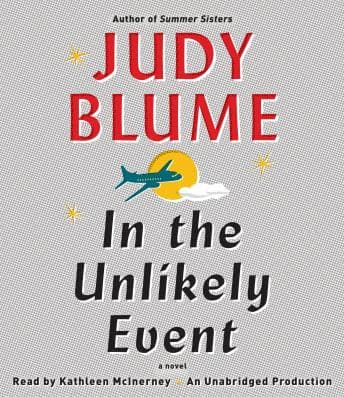

Ever wonder how much disaster a single zip code can handle before it snaps?
That's the question I was asking myself on the I-10 this week. Usually, after a twelve-hour shift at the trauma center, the last thing I want is more catastrophe. I see enough bad luck in the ER to last a lifetime. But this is Judy Blume. And if anyone knows how to handle the messy, uncomfortable, heartbreaking parts of growing up, it's her.
So, I gave it a shot. And yeah, I might have cried in the driveway. (I told Carlos it was the pollen. The man believes anything before he's had his coffee.)
The "Nurse Voice" vs. The Narrator
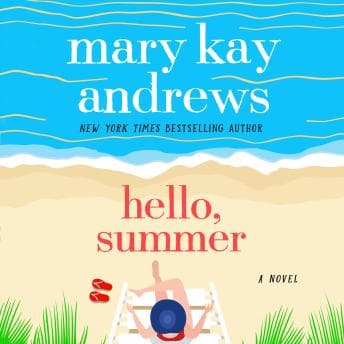
Let's talk about Kathleen McInerney. I couldn't find much on her background, but she's got range. She shows that same versatility in Hello, Summer, where the emotional layers hit just as hard. She has to juggle—and I'm not kidding here—generations of voices. Kids, grandmas, teenagers.
Here's the thing though. Some reviews complained her delivery was too "cheery" or that the little girl voices were annoying. And honestly? I get it. At 3 AM, listening to a high-pitched kid voice can be grating. But the "cheery" part actually worked for me. It reminded me of the "nurse voice" we use when everything is going wrong but we need to keep the patient calm. That layer of normalcy plastered over absolute horror.
McInerney keeps the pacing steady, even when the plot gets heavy. And it gets heavy. She doesn't overact the tragedy; she just lets it sit there. That restraint? That's the good stuff.
Triage in the 1950s
This isn't a thriller. If you're looking for fast-paced action because there are plane crashes, look elsewhere. This is a slow burn. It's messy. It's crowded.
Blume introduces a lot of characters. Like, a full waiting room's worth. At first, I was zoning out a bit, trying to keep track of who was sleeping with whom and whose uncle was the dentist. But once the first plane goes down, it clicks.
The emotional accuracy of the trauma response felt real. The hysteria. The rumors. The way the community in Elizabeth, NJ (where Blume actually grew up, by the way) tries to pretend everything is fine until the next shoe drops. It felt like the unit after a mass casualty event—everyone coping in their own weird, broken way.
There are moments that felt a bit plodding, sure. It's a long book. But the way she weaves the "A-bomb hysteria" with teenage crushes? Spot on. It captures that specific anxiety where you're terrified of the world ending but also terrified your crush won't call you back.
Why I Didn't Get Out of the Car
My mom always says, "Maria, you see the worst of people, you need to see the best too." She's usually talking about why I should go to church more, but she'd like this book.
It's not just about the crashes. It's about the resilience. It's about Miri Ammerman trying to figure out her life while the literal sky is falling.
I sat in my driveway for ten minutes after pulling in yesterday because I needed to hear how Miri's story wrapped up. It's not a perfect book—it wanders, it takes its time, and yeah, the kid voices might test your patience—but it has heart. That same messy, honest heart shows up in Such a Fun Age, though the chaos there is less about planes and more about race and privilege. Real, beating, messy heart.
Who's This For (And Who Should Skip It)
If you need post-shift decompression and want to be reminded that even when things fall apart, people (mostly) put themselves back together—this is your listen. Skip it if you want thriller pacing or can't handle high-pitched kid voices at 3 AM. Judy Blume fans who grew up with her and want something heavier? You'll feel right at home.