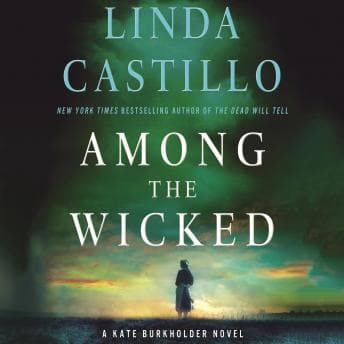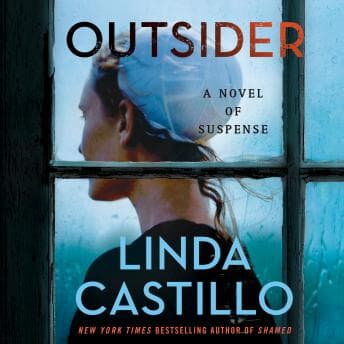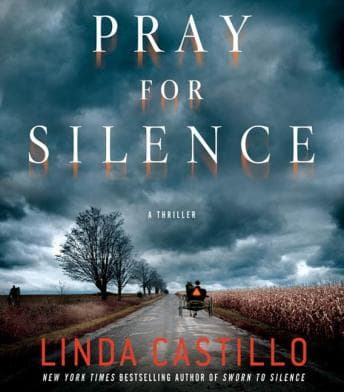

Everyone kept telling me this series was cozy Amish mystery fare. Comfort reading with bonnets and buggies. I went in expecting something gentle, maybe a little dark around the edges.
I was not prepared for a family of seven slaughtered on their farm in the opening chapters.
Shirley (my cat) was unimpressed. I was genuinely unsettled. This is not your grandmother's Amish fiction.
The Collision of Worlds That Actually Works
Here's what Castillo understands that so many mystery writers don't: horror lives in the spaces between communities. Kate Burkholder exists in that liminal zone—raised Amish, now the English police chief who has to investigate crimes against her former people. That tension? It's not just character backstory. It's the engine that makes every scene crackle.
The murdered family includes a teenage girl who was living a double life. And when Kate finds her diary—look, I've read plenty of "secret diary reveals dark truth" plots. They're usually predictable. This one made me pause the audiobook and sit in the dark for a minute. The way Castillo draws parallels between this girl's hidden world and Kate's own scarred past... Shirley Jackson walked so this author could run.
The investigation pulls you through Amish farms and seedy bars, through family shame and community silence. There's an estranged brother who was shunned. There's a mysterious stranger who caught the girl's eye. The suspect list keeps growing, and Castillo doesn't cheat—each revelation feels earned. Wife Between Us: A Novel pulls off that same trick, layering revelations that recontextualize everything you thought you knew.
McInerney Commits. That's Rare.
Kathleen McInerney has been narrating this series from the start, and you can tell. She handles Pennsylvania Dutch phrases with the ease of someone who's lived with these characters for years. But what impressed me most was her navigation between worlds—the clipped professionalism of cop-speak, the measured cadence of Amish elders, the raw vulnerability when Kate's walls come down.
There's a moment where Kate's reflecting on her teenage years, on the things that happened to her before she left the community. McInerney doesn't push it. She lets the silence do the work. She commits to the emotional truth of the scene rather than performing trauma for effect. That restraint? That's what separates good audiobook acting from background noise.
The pacing stays breathless through most of the eleven hours. I did notice a slight drag after a car chase sequence—the investigation hits a wall and you feel it. But McInerney's energy keeps you locked in even when the plot takes a breath.
Dread, Not Gore (Mostly)
I need to be honest: this gets gruesome. The crime scene descriptions don't flinch. If you're someone who needs to know going in—there's violence against women, there's sexual exploitation of a minor (discussed, not depicted), there's the kind of evil that makes you want to check your door locks.
But here's the thing. Castillo understands that horror isn't about gore—it's about dread. The violence serves the story. It's not gratuitous shock value. Dragon Teeth: A Novel operates on that same principle, using violence as narrative tool rather than spectacle. Castillo wields it to explore how communities protect themselves, how silence becomes complicity, how the people we think we know can hide the darkest secrets.
The relationship between Kate and state agent John Tomasetti adds another layer. They're both damaged. They're both wary. Their tentative connection feels real in a genre that often treats romance as an afterthought or a distraction. Here, it's part of the psychological puzzle.
Start Here or Start at the Beginning?
If you've read the first book, you know Kate's history. If you haven't, Castillo weaves in enough context without making it feel like a recap episode. But I'd recommend starting at the beginning—the emotional payoff here depends on understanding what Kate survived.
My podcast listeners who love procedurals with psychological depth are going to devour this. It's got the investigative structure of a solid police thriller, but the heart of something darker and more personal. The Amish setting isn't a gimmick. It's essential to everything the book is exploring about isolation, tradition, and the price of belonging.
I listened during a late shift at the library, headphones in while reshelving in the horror section. (The irony was not lost on me.) By the final chapters, I'd forgotten about the returns cart entirely. That's the sign of a narrator and author working in perfect sync.
Who's This For?
If you want procedurals with genuine psychological weight, if you can handle unflinching content in service of a story that earns it, this is your next listen. Skip it if you need your mysteries cozy or if violence against women is a hard no regardless of context. If you don't scare easily? You need this.