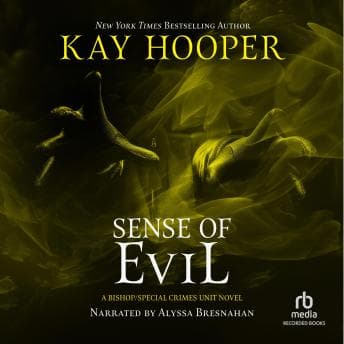

Everyone told me Kay Hooper was the queen of paranormal thrillers. The reviews promised electrifying suspense. My colleague who studies fear responses in literature wouldn't shut up about the Bishop/Special Crimes Unit series.
So there I was, eleven hours into Sense of Evil, chopping onions for a dal that was getting way too much attention because I kept pausing to think about why this book wasn't working for me the way it should.
The Profiler Problem
Here's the thing about FBI profiler characters in fiction: they're supposed to be the smartest person in the room. Isabel Adams is presented as tough, fearless, psychic, and—the book really wants you to know this—blonde. The killer targets blonde women. She's walking bait. The research actually shows that this setup should create unbearable tension.
But psychologically? This doesn't track.
Isabel's psychic abilities function as narrative convenience rather than a coherent psychological framework. She gets visions when the plot needs them. Her "toughness" reads as the author telling us she's tough rather than showing us the behavioral patterns that would make us believe it. Chief Rafe Sullivan is more interesting—he's got that small-town cop ego clashing with federal jurisdiction, which is a fascinating case study in territorial behavior under stress. But even he feels underwritten.
What makes a character compelling is internal consistency. These characters have motivations, sure, but they shift to serve the plot rather than driving it.
Where Bresnahan Saves the Day
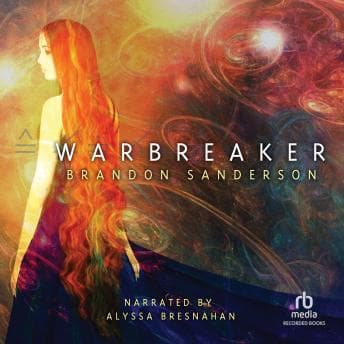
Alyssa Bresnahan's narration is doing heavy lifting here. She provides subtle shading to the tone and tempo that the prose sometimes lacks—there's this quality to her reading that builds dread even when the actual sentences are fairly straightforward. The listener quote about being "fearful of the dark" isn't hyperbole. She understands pacing in a way that compensates for the book's structural issues.
I found myself asking: why does this audiobook feel more suspenseful than the story probably reads on paper? It's Bresnahan. She's modulating her voice to create atmosphere the text doesn't quite earn. That's skill.
The solo narration works for this kind of thriller—no distracting production elements, just voice and story. Clean audio, no complaints about pronunciation. She's professional in the best sense.
The Blonde Victim Trope (My Therapist Would Have Thoughts)
Look, I study narrative psychology. I've read approximately nine thousand papers on how crime fiction handles violence against women. Hooper is working within a tradition here—beautiful victims, small peaceful towns disrupted by evil, the competent outsider who arrives to restore order.
The protagonist exhibits classic savior complex patterns, which would be fine if the book interrogated them at all. It doesn't. Isabel walks into danger because the plot requires her to, not because her psychology demands it. The content warnings for violence and sexual content are warranted, but neither element feels like it's serving a larger thematic purpose.
I'm not saying every thriller needs to be a dissertation on gender and violence. But when your entire premise is "blonde women are being murdered and our blonde heroine investigates," you're asking me to think about these patterns. And then not giving me much to think about.
Who Gets Something Out of This (And Who Won't)
If you want atmospheric suspense without too much psychological complexity, this delivers. Left To Die operates in that same zone—solid procedural bones, decent atmosphere, nothing that'll keep you up analyzing motivations. Bresnahan's performance genuinely creates tension. The paranormal elements (psychic FBI agents are kind of Hooper's thing) add flavor without overwhelming the mystery structure. At 11 hours 28 minutes, it's a solid commitment but not overwhelming—good for a week of commutes or a couple of long cooking sessions.
Skip this if unrealistic character motivations annoy you as much as they annoy me, or if you need your psychic elements to follow consistent internal rules.
Closing the Case File
I wanted to love this more than I did. The pieces are there—competent narrator, atmospheric setup, the bones of a decent thriller. Hidden had similar structural strengths but managed to give its detective actual psychological coherence. But the psychology feels surface-level, the characters serve the plot rather than inhabiting it, and the psychic elements never cohere into a system I could believe in.
Bresnahan earns her paycheck. Hooper delivers exactly what her fans expect. For me, stirring that dal and frowning at my cutting board, it was fine. Just fine. Sometimes that's enough. Sometimes you want more.
(My mother would say I'm too picky. She's probably right. But she also thinks all my books are "the same murder stories," so.)