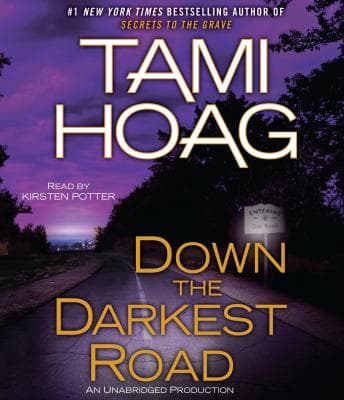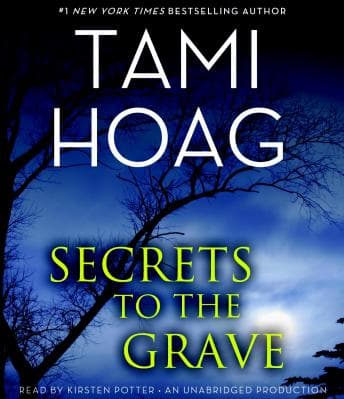

I was up at 2 AM with a migraine that wouldn't quit, and honestly? Listening to a child whisper 'My daddy hurt my mommy' into a 911 call while lying in the dark was probably not my best decision. But here's the thing - Tami Hoag understands that horror isn't always supernatural. Sometimes it's just a little girl resting her head on her mother's bloody chest, waiting for someone to find them.
This is the second book in Hoag's Deeper than the Dead microseries, set in an era when forensic investigation was still finding its footing. No DNA databases. No instant background checks. Just detectives piecing together fragments while a killer watches.
The Dread Builds Slow (And That's the Point)
Look, if you need a body every thirty pages, this isn't your book. Hoag plays the long game here. The real horror isn't Marissa Fordham's murder - it's the slow unraveling of who she actually was. Or rather, who she wasn't. Because Marissa Fordham never existed. That reveal hit me harder than any gore could.
The pacing reminded me of those old Gothic novels where the house itself feels wrong before anything explicitly bad happens. That same slow-burn dread lives in Strange Case of Jekyll and Hyde, where the horror isn't the reveal but the creeping wrongness you feel chapters before. Oak Knoll is already on edge from the See-No-Evil killer trial, and Hoag uses that collective anxiety like a pressure cooker. By the time Anne Leone realizes she and little Haley are in the killer's crosshairs, you've been holding your breath for hours without noticing.
At nearly fourteen hours, this is a commitment. But Hoag earns that runtime by layering mystery on top of mystery. Every time Tony Mendez thinks he's found a thread, it leads to three more questions. The puzzle-box structure kept me engaged even when my head was pounding.
Kirsten Potter Gets It (Mostly)
Potter commits to this performance. She understands that thriller narration isn't about dramatic readings - it's about restraint. The moments where she pulls back, lets the silence do the work? That's craft. Her child voice for Haley walks that impossible line between vulnerable and unsettling without ever feeling exploitative.
Her character differentiation is solid across the board. Anne Leone sounds warm but increasingly frayed. Tony Mendez carries that exhausted authority of a detective who knows he's racing the clock. The ensemble feels lived-in.
But - and this bugged me more than it probably should - there's a former Chicago cop character who sounds distinctly East Coast. Boston, maybe. As someone who's spent enough time with Midwestern horror fans through the podcast, I can tell you: Chicago doesn't sound like that. It's a small thing, but in a book this carefully constructed, the inconsistency pulled me out a few times.
Who Should Queue This Up (And Who Should Skip)
If you loved the methodical dread of Sharp Objects or the procedural patience of Mindhunter, this is your next listen. Hoag respects the genre - she knows that the scariest thing isn't the murder, it's the void where a person's identity should be.
Skip if you need constant action or if child-in-peril narratives are too much. The content warnings are real: violence, abuse, some sexual content, and language. Haley's situation is handled with care, but it's still a child processing trauma in real-time.
Fair warning for true crime podcast fans - the early-forensics angle might frustrate you. There are moments where you want to scream 'just run the DNA!' before remembering this is set before that was an option. Hoag uses those limitations brilliantly, but it requires patience.
Shirley Was Unimpressed. I Was Not.
My cat slept through the entire thing. Meanwhile, I was checking my door locks at 3 AM like a reasonable adult. The identity-theft angle - the idea that someone could simply become another person and carry their secrets to the grave - taps into something primal. Project Hail Mary plays with identity from the opposite angle—what happens when you wake up not knowing who you are—and that existential terror hits just as hard. We want to believe we know people. Hoag reminds us we rarely do.
The audiobook production is clean, no distracting effects or music. Just Potter and thirteen-plus hours of mounting dread. For a book this dialogue-heavy, that's the right call.
I'll be talking about this one on the podcast. Not because it's the scariest thing I've ever listened to, but because it understands something crucial: real horror is patient. It waits. It lets you think you're safe before revealing you never were.
Finally, thriller fiction that respects the genre.