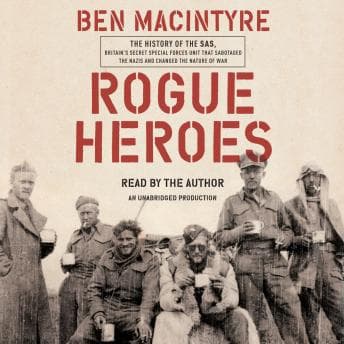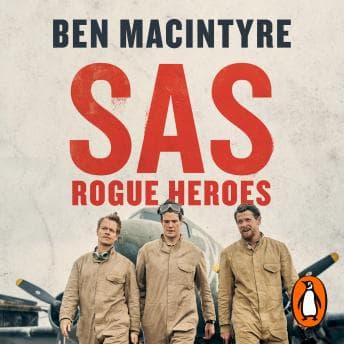

Let me cut to the chase: if you want to understand how unconventional warfare actually works - not the Hollywood version, the real deal - this is your book. Ben Macintyre got access to the SAS archives that have been locked up tighter than Fort Knox for 75 years, and what he found is exactly the kind of controlled chaos that wins wars.
I finished this one on a drive back from a client site in Houston. Three hours of I-10, Ranger snoring in the back seat, and I didn't touch the radio once. That's saying something.
The Birth of Modern Special Operations
Here's what got me from the start: David Stirling was basically told "no" by everyone in the British military establishment. Too risky. Too unconventional. Against regulations. Sound familiar? I've sat in those briefings. I've been that guy pitching ideas that made colonels uncomfortable. The difference is Stirling got to Churchill, and Churchill - say what you want about the man - understood that sometimes you need people willing to break things.
Macintyre doesn't sanitize these guys. The original SAS operators were brilliant, reckless, occasionally drunk, and absolutely willing to die for missions that had maybe a 50-50 chance of success. Some of them were genuinely unstable. A few were probably what we'd now call war criminals. But they changed how militaries think about small-unit tactics forever.
The detail here is exceptional. We're talking primary sources - letters home, after-action reports written in the desert, memos between officers who disagreed violently about whether this whole experiment should continue. Macintyre clearly did his homework, and as someone who's read a lot of military history that gets basic facts wrong (don't get me started), I appreciated that he knows the difference between a raid and a reconnaissance. That same attention to historical accuracy shows up in George Washington, though the subject matter couldn't be more different from desert warfare.
When the Author Picks Up the Mic
Here's where I have to be honest. Macintyre narrates his own book, and he's... fine. He's got a good voice, clear delivery, and he knows the material because he wrote it. But if you're expecting the kind of dramatic performance that makes you feel like you're there in the North African desert with sand in your teeth, that's not what you're getting.
I've heard some listeners call it mediocre. I wouldn't go that far. It's workmanlike. Professional. He reads with flair when the story calls for it - and there are moments here that absolutely call for it - but he's not doing character voices or theatrical pauses. One reviewer put it well: "Mediocre Macintyre narration is better than most." That's about right.
For me, the straightforward delivery actually worked. This is history, not fiction. I don't need someone hamming it up when they're describing how Paddy Mayne shot up an airfield and destroyed more Axis aircraft than most RAF squadrons. The facts speak for themselves.
Where It Lost Me (Briefly)
If I'm being critical - and I always am - the book focuses more on the organization than the individuals. You get snapshots of these extraordinary men, but Macintyre is more interested in how the SAS evolved as an institution. That's probably the right call for a historian, but I found myself wanting to spend more time with guys like Jock Lewes or Blair Mayne instead of reading about command structure debates.
At 13 hours, there are stretches where the operational tempo slows down. Not every mission was a success, and Macintyre covers the failures too. Necessary for accuracy, but I'll admit my attention drifted a couple times during the administrative sections. Bumped it up to 1.25x for those parts.
Who's This For?
Military history buffs, this is essential. Anyone who wants to understand how elite units actually function - not the mythology, the reality - will find the definitive account here. Skip it if you're looking for a character-driven war memoir or need a narrator who does voices.
Mission Debrief
What stuck with me - and I've been thinking about this since I finished - is how much of what we now consider standard special operations doctrine came from a bunch of guys making it up as they went along in 1941. Small teams, surgical strikes, psychological warfare, the whole concept of "who dares wins." These guys invented it because they had to.
I've worked with some former SAS operators in my consulting work. Never met one who bragged. They don't have to. And after listening to this, I understand why. The legacy speaks for itself.
Ranger approved this one. Mission accomplished.






![Steve Jobs [unabridged audiobook] audiobook cover](/_next/image?url=https%3A%2F%2Fcovers.audiobooks.com%2Fimages%2Fcovers%2Ffull%2F9788499923406.jpg&w=1920&q=75)