
Look, I'll just say it: I've been a literary snob about Westerns for way too long.
Twenty years teaching Faulkner and Hemingway, and somehow I convinced myself that Louis L'Amour was beneath my attention. That the Western genre was just shoot-em-ups and tumbleweeds. My students would call this a "skill issue" on my part. They'd be right.
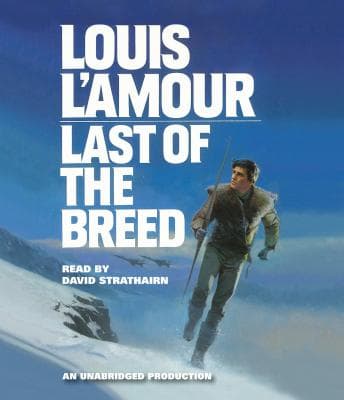
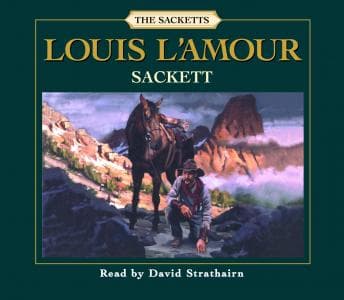
So when I finally gave Sackett a shot during my lakefront walks last week, I was prepared to be underwhelmed. Four hours later, I'm eating crow. And honestly? The crow tastes pretty good.
What L'Amour Actually Does
Here's what surprised me most: Louis L'Amour writes like a man who's actually been cold, hungry, and alone in high country. The prose isn't literary in the way my grad school professors would approve of—it's spare, direct, almost laconic. But there's authenticity in every sentence about tracking through mountain terrain or reading weather signs. This reminds me of what Hemingway said about writing one true sentence. L'Amour understood that assignment. That same spare authenticity shows up in Nothing New for Sophie Drew, though in a completely different setting—turns out economy of language works whether you're writing Westerns or contemporary fiction.
William Tell Sackett is what my students would call "a whole mood"—the strong, silent type who kills a man in Texas, stumbles onto gold, and then has to deal with the human vultures that gold attracts. The plot is straightforward. Man finds gold, men try to take gold, violence ensues. But L'Amour layers in enough frontier philosophy and character work that you're actually thinking about what it means to be alone with your conscience in a lawless land.
At four hours, it's tight. No bloat. L'Amour doesn't waste your time. My students would hate this. I love it.
David Strathairn by the Campfire
The man is an Oscar-nominated actor, and he brings that craft to narration in ways I didn't expect. His voice has this warm, weathered quality—like someone telling you a story by a campfire who's actually lived a few of the stories himself.
The character voices work through subtle shifts in intonation and accent rather than theatrical performance. It's convincing. When Sackett speaks, you hear a man who chooses his words carefully because words cost something out on the frontier. When the villains show up, Strathairn doesn't go cartoonish—he just lets a little more menace creep into the edges.
Some listeners have called his style "laid-back" and I can see that. There are moments where the energy stays pretty level, even during action sequences. But honestly? It fits. Tell Sackett isn't a man who panics. Why should the narrator?
I listened at 1.0x because—and I will die on this hill—the author chose those words and that rhythm for a reason. Strathairn's pacing honors that. If you're the type who speeds everything up to 1.5x, you might find it slow. But you'd also be wrong. (Don't @ me.)
Worth Pausing the Faculty Meeting For
I finished the last chapter during Principal Martinez's quarterly budget presentation. (Sorry, not sorry.) There's a gunfight near the end that had me completely checked out of whatever he was saying about textbook allocations. The audio quality is clean throughout—no weird artifacts, no volume issues, just professional production that lets you forget you're listening to a recording.
The violence is there—gunfights, some blood, the consequences of frontier justice. Nothing gratuitous, but L'Amour doesn't shy away from the reality that the West was won with lead as much as with grit.
If you loved the stoic masculinity of True Grit or the moral complexity of Lonesome Dove, this is their spiritual predecessor. L'Amour was writing these Sackett novels decades before those became classics, and you can see the DNA.
Who Should Saddle Up (And Who Should Stay in Town)
This is perfect for commuters, walkers, anyone who wants a complete story in a handful of listening sessions. Western fans already know L'Amour delivers. But if you're like me—a literary type who's been dismissive of the genre—give it a shot. There's real craft here. Skip it if you need high-energy narration or if Westerns genuinely aren't your thing. No judgment. We all have genres that don't click.
As for me? I've got sixteen more Sackett novels to work through now. Denise says I've been insufferable about it. She's not wrong. But I'm also not stopping.