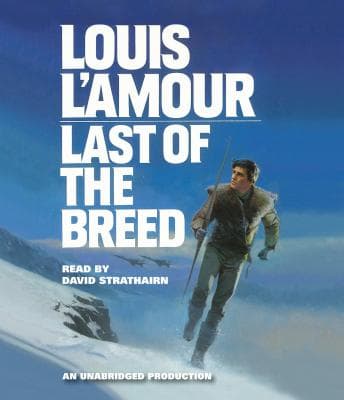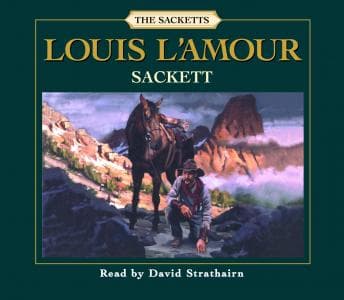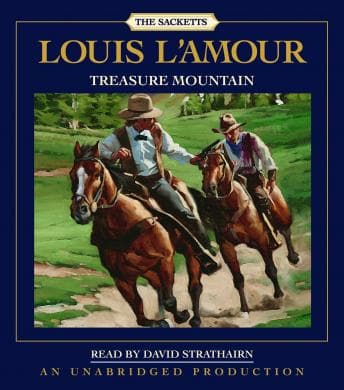

Louis L'Amour wrote westerns like Sanderson writes fantasy—with the kind of workmanlike consistency that means you always know what you're getting. Treasure Mountain sits comfortably in that tradition, and David Strathairn narrates it like he's been telling campfire tales his whole life.
I picked this one up during a late-night coding session when my thesis code was being particularly uncooperative. (Dr. Patel, if you're reading this, I was definitely working on procedural generation algorithms, not listening to audiobooks about 1870s Louisiana.) Six and a half hours later, my code still didn't compile, but I'd followed the Sackett brothers through New Orleans and into the bayous hunting for their father's twenty-year-old trail.
The Magic System Is... Wait, Wrong Genre
Okay, there's no magic system here—this is straight historical western fiction. But L'Amour does something similar to what makes good fantasy worldbuilding work: he builds a sense of place that feels lived-in and real. The New Orleans sequences have this grimy, dangerous energy. That same atmospheric density shows up in Brothers Karamazov, though Dostoevsky trades bayous for 19th-century Russian taverns. You've got Gypsies and voodoo priests helping the brothers navigate a city that wants to swallow them whole before they even hit the wilderness. It's not Sanderson-level worldbuilding, but for a 6-hour western? The progression is satisfying.
Tell Sackett narrates with this bone-dry sarcasm that reminds me of Logen Ninefingers if Logen traded his axe for a six-shooter. There's a gunfight scene where Tell's internal monologue is just... chef's kiss. The man is shooting people and making wry observations about it. That's the kind of character voice that makes audiobooks worth the format.
Strathairn Walked So Other Western Narrators Could Run
David Strathairn gets it. He's not doing theatrical character acting—this isn't a full-cast production with sound effects and dramatic music. It's one guy telling you a story, and he uses accent shifts and intonation changes to mark who's speaking without ever breaking the flow. His Tell Sackett has this weathered, competent quality. The Creole characters in New Orleans sound distinct from the mountain men. You never lose track of who's talking.
The consensus from other listeners seems to be that Strathairn is excellent, and I'm not going to argue. He's not Steven Pacey (nobody is), but he's doing exactly what this material needs. Clean, professional, engaging.
The Pacing Problem (Or Is It?)
Here's where I'll push back on some criticism I've seen. Some folks say this one's slower than other L'Amour books, that the hunt sequences drag. And yeah, there are stretches where the brothers are just... tracking. Following a cold trail. Reading signs in the wilderness.
But honestly? I didn't mind it. My D&D group would recognize this energy—it's the travel montage session where you're building atmosphere before the dungeon. Not every moment needs to be a gunfight. The slower sections let Strathairn's narration breathe, and they make the action beats hit harder when they come.
The ending is a bit predictable—I saw the resolution coming maybe an hour out. But predictable isn't the same as unsatisfying. L'Amour delivers exactly what he promises: frontier justice, family loyalty, and the kind of masculine competence fantasy that the genre runs on.
Who Should Saddle Up (And Who Should Stay in Town)
If you're already invested in the Sackett series, this is essential. It fills in backstory about the family patriarch that apparently pays off in other books. If you're new to L'Amour, this isn't a bad entry point—the brothers are compelling enough to carry you through without needing extensive series knowledge.
Skip this if you need constant action. If you want your westerns to feel like action movies, the methodical tracking sequences will test your patience. Also skip if you're looking for complex morality or subverted genre expectations. L'Amour wrote traditional westerns, and that's what this is. Good guys, bad guys, shootouts, honor codes.
Perfect for: road trips through states that have more cows than people, late-night coding sessions when you need something engaging but not demanding, or any time you want competent men being competent in dangerous situations.
Session Complete, XP Earned
Treasure Mountain isn't going to change your life. It's not the fantasy epic I usually recommend to everyone I meet. But it's a well-crafted western with excellent narration, and sometimes that's exactly what you need. Strathairn's performance elevates solid source material into genuinely enjoyable listening.
Now if you'll excuse me, I need to pretend I'm going to work on my thesis. (I'm going to start the next Sackett book.)