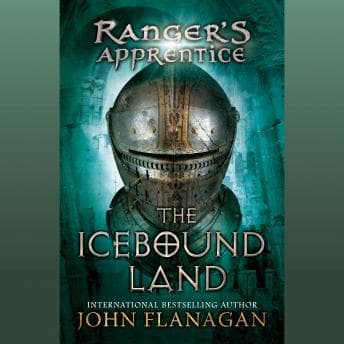

So I was up at 2 AM supposedly debugging my procedural terrain generation code — you know, thesis stuff — and I figured I'd throw on something lighter than my usual Sanderson reread. I'd burned through the original Ranger's Apprentice series back in middle school, huddled in the back of the Habersham County Library with my D&D crew, passing around dog-eared copies between sessions. Coming back to this world as a grown man (debatable) felt like visiting your childhood treehouse and finding out someone added a second story.
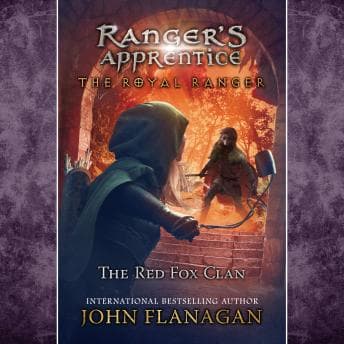
And honestly? The Red Fox Clan is a solid addition. Not the best room in the treehouse, but a good one.
Maddie's Ranger Training vs. Castle Life Is the Real Conflict
Here's what Flanagan does well: Maddie's dual identity as princess-slash-secret-ranger-apprentice creates this tension that's way more interesting than the actual political threat. She passes her third-year assessment, gets yanked back to Castle Araluen, and suddenly she's stuck in corsets and court protocol when she'd rather be stalking through the woods with her saxe knife. That friction — the competent person forced to play dumb — is genuinely fun. It's like if your Rogue had to pretend to be a Noble for an entire campaign arc. My D&D group would love this setup.
The Red Fox Clan themselves are... fine. Anarchists in fox masks threatening the succession, questioning whether women should rule Araluen. The political intrigue is there but pitched at a younger audience, so don't come in expecting Game of Thrones complexity despite what the publisher's comparison suggests. (That comparison is wild, by the way. This book and Game of Thrones share a genre the way a bicycle and a fighter jet both have seats.) But for what it is — a YA fantasy adventure with some light political maneuvering — the progression is satisfying. You can feel Maddie growing into her own, and Flanagan knows how to build toward action setpieces like the castle attack.
The big frustration: it just... stops. "To be continued." No real resolution. I get it, it's a series, but when you've invested 11 hours and the story essentially pauses mid-arc, that stings. Especially at 2 AM when you were hoping for a clean ending so you could finally sleep.
John Keating: The Will Treaty Problem
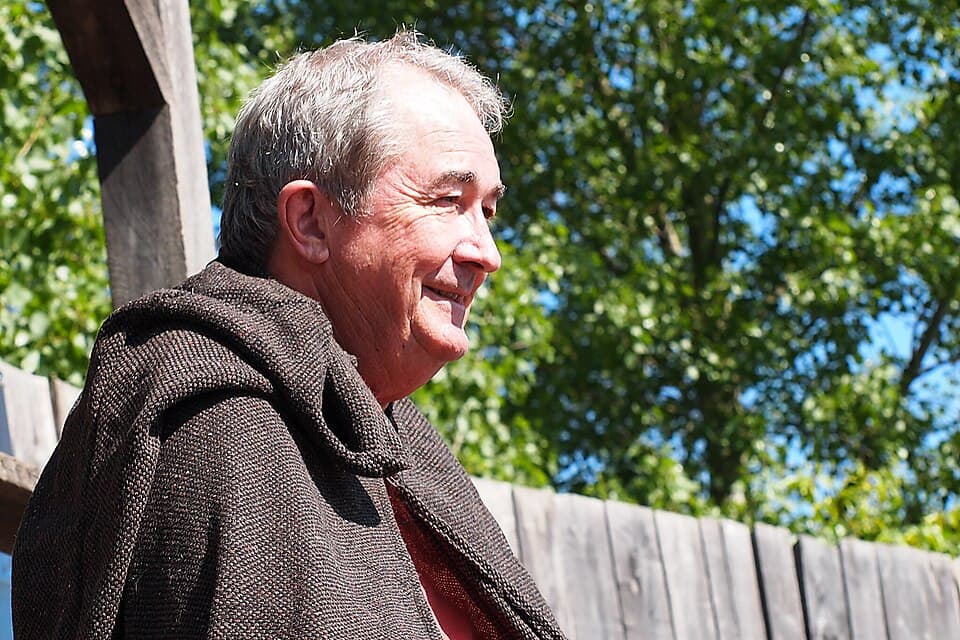
Okay, so here's where the listener community is genuinely split, and I land somewhere in the middle. Keating has been narrating these books for a while now, and his familiarity with the world shows. His Maddie voice works — there's a youthful energy to it that tracks with her character arc from sheltered princess to capable apprentice. The pacing during action sequences, especially the Red Fox Clan's assault on the castle, moves well. He knows when to push tempo.
But Will Treaty. Man. Will is supposed to be this seasoned, capable Ranger — basically the Aragorn of this universe at this point — and Keating gives him this higher-pitched, slightly whiny delivery that some listeners have absolutely roasted. I didn't find it as bad as the folks who said they "spent the whole book cringing," but I noticed it. It's like if your DM voiced the grizzled veteran fighter the same way they voiced the nervous halfling. It pulls you out. If you came up on William Zappa's narration of the earlier books, the shift is noticeable, and I understand why some fans bounced hard.
Keating earned an AudioFile Earphones Award, and I think that's fair for his body of work on this series — his newer character voices are genuinely good. But the Will thing is a real issue that knocks the audio experience down a peg.
Who This Is Actually For (And Who Should Bail)
If you grew up with Ranger's Apprentice and you're curious about the next-generation stuff, this is worth your time. Maddie is a solid POV character — not as immediately iconic as young Will, but she's got her own thing going on. If you're a parent looking for a clean fantasy adventure for your kids, this is great. Dear Mr. Henshaw scratches a similar itch — a kid working through identity and growing competence, told cleanly without talking down to anyone. Violence is present but age-appropriate, the themes about competence and identity are genuinely good, and at 11 hours it's a substantial listen without being intimidating.
Skip it if: you need your fantasy to have hard magic systems and deep lore (this is Sanderson-adjacent in literally zero ways), you can't handle cliffhanger endings, or you're someone who's deeply attached to the original narrator's voice for Will Treaty. That last one is legitimate — if Keating's Will is going to pull you out every scene, it'll ruin your experience.
I read this instead of writing my thesis. Was it worth the lost productivity? Mostly. It's comfort food fantasy — familiar flavors, competently prepared, leaves you wanting the next course. Just don't expect it to be the whole feast.
Roll for Initiative on Book Three?
Yeah, I'll grab the next one. The cliffhanger annoyed me, but that's because I'm invested enough to want answers, which means Flanagan did his job. Just maybe bump the speed to 1.25x during the castle life chapters — Maddie's frustration with court protocol is relatable but some of those scenes drag a bit. And Keating, if you're reading this: please, please lower Will's register by like two notes. The man has been through wars. Let him sound like it.