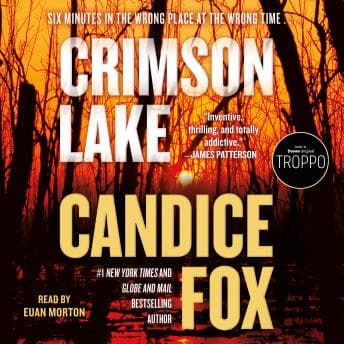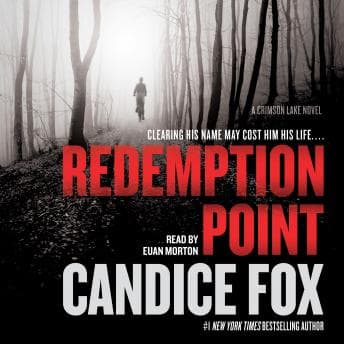

Look. I need to get something off my chest. If one more thriller gives me a defibrillator scene where someone yells "CLEAR!" and the patient dramatically gasps back to life from flatline, I'm going to throw my phone out the car window. So when I say Candice Fox writes crime that feels *real* - the messy, morally complicated, nobody-comes-out-clean kind of real - that's the highest compliment I can give.
I finished this one at 4 AM in the break room, eating cold rice from a Tupperware while the unit was blessedly quiet (knock on wood, always knock on wood). And I sat there for a good five minutes just... processing. This book doesn't let you go easy.
The One Where Everyone's Damaged Goods
Ted Conkaffey is the kind of protagonist who makes you uncomfortable. Wrongly accused of abducting a child, cleared but never really cleared - you know how that works. The court of public opinion doesn't care about evidence. And now Claire Bingley's father has him cornered with a revenge plan that's equal parts desperate and terrifying. Fox doesn't let you forget that Ted's innocence doesn't erase the trauma of everyone who thought he was guilty.
But it's Amanda Pharrell who steals this book. Convicted murderer turned PI, covered in tattoos, with behavioral quirks that would get her kicked out of most social situations. She's the partner Ted didn't ask for and absolutely needs. Their dynamic is prickly and weird and somehow deeply loyal. Fox writes damaged people who are still *people*, not trauma porn, not redemption arcs tied up with a bow. That same unflinching approach to broken characters shows up in Housekeeper: A twisted psychological thriller, though the setting couldn't be more different. Just humans trying to function.
The dual investigation structure - Ted hunting for Claire's real abductor while Amanda works a double homicide at the Barking Frog Inn - keeps the tension ratcheted up without feeling gimmicky. Both cases are ugly. Both make you question what justice even means when the system's already failed everyone involved.
Euan Morton Gets It
I could listen to this man read the night shift schedule and still be engaged. His gravelly Australian accent IS Ted - worn down, defensive, but not defeated. The AudioFile review nailed it: excellent pacing, gripping delivery. But what I noticed is how he handles the first-person narrative without making it feel claustrophobic. Ted's voice stays consistent while Morton still manages to differentiate every character who walks into the scene.
Amanda could've been a disaster in the wrong narrator's hands - her intensity, her odd speech patterns, the way she bulldozes through social norms. Morton gives her enough edge without turning her into a caricature. It's a careful balance. He respects her.
At 13 hours, this is not a casual listen. You need to pay attention. Morton's pacing rewards that attention - he doesn't rush the quiet moments, doesn't drag the violent ones. The tension builds the way real emergencies do. Slow, then all at once.
The Queensland Rainforest Wants You Dead
Crimson Lake as a setting is practically a character. Oppressive humidity, things that bite, the kind of isolation that makes people either find themselves or lose themselves completely. Fox uses the landscape the way good thriller writers use weather - not as decoration, but as pressure. Ted's hiding there because nowhere else would have him. The town knows it. He knows it.
The violence in this book is not gratuitous, but it's not sanitized either. Evil Beneath walks that same line between necessary darkness and exploitation. Content warning for language, sexual content, and the kind of brutality that comes from people pushed past their limits. As someone who's actually worked a code, who's seen what desperation does to families - Fox gets the emotional aftermath right. The way violence echoes. The way it changes everyone it touches.
Perfect For That Post-Shift Decompression
Carlos asked why I was sitting in the driveway for twenty minutes after I got home. I blamed the ending. He didn't believe me, but he brought me coffee anyway.
This is focused listening territory - don't put this on while you're doing dishes, you'll miss something important. The Barking Frog Inn investigation alone has enough twists that I had to rewind twice because my brain was still in work mode. Worth it. Completely worth it.
If you liked the first Crimson Lake book, this one delivers. If you haven't started the series, you *can* jump in here - Fox gives you enough backstory - but honestly, start at the beginning. Watch Ted and Amanda's partnership develop. It makes the payoffs hit harder.
Clocking Out
Who should listen: Anyone who wants their crime fiction morally complicated, their protagonists genuinely flawed, and their narration pitch-perfect. Fans of Tana French's messier investigations. People who appreciate Australian crime fiction that doesn't pull punches.
Who should skip: If you need likeable protagonists, this isn't it. If violence and dark themes are triggers, check the content warnings carefully. If you want background listening - nope, this demands your attention.
The first book in this series won an Audie for Thriller/Suspense. Morton's an Earphones Award winner. Those aren't participation trophies. This audiobook earned them.