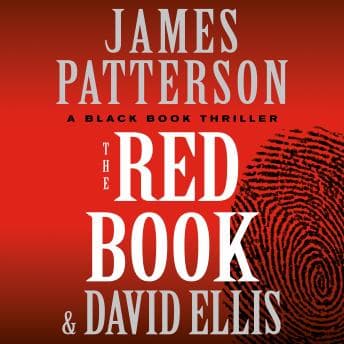

What makes a dirty cop thriller actually work? We've seen this setup a thousand times. Cop with a complicated past, city on the edge, conspiracy that goes all the way up. The genre is littered with forgettable entries that hit every beat without ever landing a real punch.
Red Book lands punches.
Billy Harney Gets Under Your Skin
Look, I went into this with some skepticism. Patterson's name on a cover can mean a lot of things these days - some of his collaborations are genuinely sharp, others feel like they were assembled from a kit. But David Ellis is doing the heavy lifting here, and you can tell. Billy Harney isn't your standard brooding detective. He's been shot in the head, accused of murder by his own people, and he's still the guy they send when Chicago's about to explode. That's a specific kind of broken that actually feels earned.
The drive-by shooting that kicks everything off seems straightforward at first. Political pressure, public anger, everyone wants a quick solve. And Harney could give them one. But his instincts - and this is where the writing gets interesting - keep pulling him toward the messier truth. The easy answers are wrong. The wrong answers are easy. Ellis plays with this tension throughout, and it works.
I listened to most of this during late-night shelving at the library. (Yes, alone. Yes, the horror podcast host was slightly on edge in the true crime section at 10 PM. Shirley would be disappointed in me.) The pacing kept me moving through the stacks faster than usual.
Edoardo Ballerini Commits
Here's the thing about audiobook thrillers - the narrator can make or break the whole experience. You need someone who understands that genre fiction requires as much craft as literary fiction. Maybe more, because you're working with familiar territory and you have to make it feel fresh.
Ballerini gets it. His Billy Harney is worn down but sharp, cynical but not cartoonish. The Chicago accents feel lived-in rather than performed. He brings that same commitment to Shift, where his range gets even more of a workout. When the tension ratchets up - and it does, repeatedly - his pacing shifts just enough to keep you locked in without going over the top.
I've heard narrators phone in thriller performances before. The ones who treat it like they're reading a grocery list with occasional dramatic emphasis. Ballerini does the same elevated work in NYPD Red 7: The Murder Sorority, another police thriller that benefits from his refusal to coast. He treats this like what it is - a performance. The secondary characters each have their own rhythm. Patti, Billy's twin sister on the force, comes through as her own person rather than just a plot device with dialogue.
The production is clean. No weird audio jumps, no background noise. Just the story.
Where It Gets Complicated
Now, I need to be honest about something. If you read The Black Book first, some listeners found this one a bit repetitive. The conspiracy-within-conspiracy structure hits similar beats. And yeah, the plot gets convoluted in places - there are moments where you're tracking multiple threads and hoping Ellis will tie them together. He does, mostly, but it requires some patience.
The darkness here is real, too. Violence, moral ambiguity, characters making choices you won't like. If you want your thrillers neat and your heroes clean, this isn't your book. Billy Harney's past isn't just troubled - it's the kind of troubled that makes you wonder if the line between dirty cop and clean one is as clear as anyone pretends.
I appreciate that, honestly. Horror taught me that the best genre fiction doesn't flinch. Red Book doesn't flinch.
Who Needs This in Their Ears
Commuters, this is your book. The 8-and-a-half-hour runtime is perfect for a week of driving, and the chapter breaks hit at natural stopping points. The pacing means you won't be sitting in your driveway for twenty minutes waiting for a resolution (though you might once or twice toward the end).
If you're into police procedurals with actual teeth - think more Tana French than cozy mystery - Red Book delivers. The Patterson-Ellis collaboration works because Ellis brings the substance and Patterson's structure keeps things moving.
Skip this if you need straightforward narratives or if you're sensitive to violence and dark themes. This isn't horror, but it's not gentle either. The content warnings exist for a reason.
Ballerini's narration elevates material that could have been standard into something that sticks with you. That's rare. That's worth your time.