
Let me cut to the chase: I expected another solid procedural from Robb's In Death series, and that's exactly what I got. But here's the thing - this one hit different.
I was driving back from a client site in Houston, three hours of I-10 stretching ahead of me, when Eve Dallas started investigating a guy who beat someone to death after staring at his computer for three days straight. The premise - a computer virus that jumps to humans - sounded like the kind of techno-thriller nonsense that usually makes me reach for the skip button. But Robb actually makes it work. The investigation feels grounded, methodical. Dallas does the legwork. She interviews witnesses. She follows evidence chains. No magic solutions, no convenient confessions.
When the Enemy Has No Face
What kept me engaged through the Texas Hill Country wasn't the virus itself - it was the ethical nightmare it creates. Someone's weaponizing technology to execute people they've deemed impure. Criminals, sure. But who decides what constitutes a crime worthy of death? I've seen this mentality in real life - the certainty that you're righteous enough to play judge, jury, and executioner. Robb doesn't preach about it. She just shows you the bodies and lets you sit with the implications.
The investigation structure is classic police procedural. Dallas and her team chase leads, hit dead ends, circle back. Cupcakes with a Side of Murder follows that same methodical rhythm, though with significantly lower stakes and a lot more baked goods. Some listeners apparently found this boring - I saw complaints about "techno-babble" and pacing issues. Fair enough. If you want constant action, this isn't your book. But if you've ever worked an actual case (or anything resembling one), you know investigations are 90% grinding through data and 10% breakthrough moments. Robb gets that rhythm right.
Susan Ericksen Knows These People
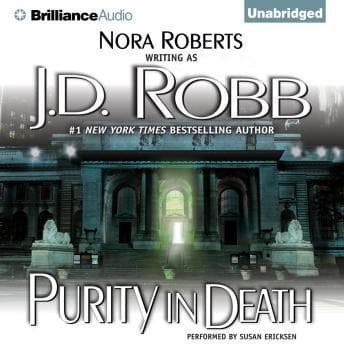
Now, the real reason I'm giving this a strong recommendation: Susan Ericksen's narration. This is book fifteen in the series, and you can tell she's lived with these characters. Her Eve Dallas has that hardened-cop edge without becoming a caricature. Roarke's Irish lilt slides in smooth - not overdone, just enough to remind you he's not from around here. But what impressed me most was how she handles the secondary cast. Peabody sounds different from Nadine sounds different from Summerset. Not just accent changes - actual personality differences in the delivery. That level of craft reminds me of what I heard in Copper River, where the narrator had to juggle multiple Alaskan locals without turning them into stereotypes.
I've listened to narrators who phone it in on long-running series. Ericksen clearly hasn't. When Dallas gets frustrated with bureaucratic obstacles, you hear the tension in her voice. When she's processing a particularly ugly crime scene, the delivery goes quieter, more controlled. It's subtle work, and at 1.25x speed (my standard), nothing gets lost.
The Techno-Thriller Problem
Here's where it lost me occasionally: the virus mechanics. Robb tries to explain how a computer program could affect human brain chemistry, and look - I'm not a doctor or a programmer. Maybe it's plausible. But every time characters started explaining the technical details, my attention wandered. Ranger, riding shotgun, didn't seem to mind. But I found myself more engaged with the moral questions than the how-it-works questions.
Also, this is book fifteen. If you haven't met Eve Dallas before, you'll be playing catch-up on relationships and backstory. The book stands alone plot-wise, but the emotional payoffs assume you already care about these people. Worth noting.
Who Should Deploy (And Who Should Stand Down)
If you like your mysteries methodical rather than action-packed, this delivers. Fans of the In Death series already know what they're getting. Newcomers might want to start earlier in the series - not because this won't make sense, but because you'll appreciate the character dynamics more with foundation. Skip if you need constant action, you hate future-tech speculation, or procedural pacing makes you impatient.
Mission Debrief
Thirteen hours of solid police procedural with a sci-fi twist that doesn't go off the rails. Ericksen's narration elevates competent source material into genuinely engaging listening. The ethical questions about vigilante justice and technological weapons hit harder than I expected. Not Robb's absolute best, but absolutely worth your time if you're already invested in this world. Ranger approved - he only tried to stick his head out the window twice, which for a three-hour drive is practically a standing ovation.