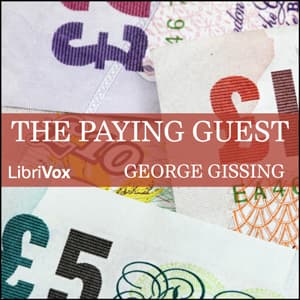

Everyone acts like Victorian literature is all repressed yearning, foggy moors, and people dying of consumption in polite silence. But let me tell you—this book? This is basically Real Housewives of 1895. I put this on while organizing my font library (a task that usually makes me want to scream), thinking I'd get a dry social critique. Instead, I got two hours of the most awkward, cringe-inducing roommate drama I've ever heard.
Here's the setup: The Mumfords are middle-class but broke. They need cash. Enter Miss Louise Derrick, the "paying guest." She has money but zero chill. The clash isn't just about personality; it's about class, manners, and the sheer horror of having a stranger in your house who doesn't know the unwritten rules. My Abuela would have lived for this chisme. She watched telenovelas for the slap-fights; she would have stayed for Miss Derrick's absolute refusal to be a "proper" lady.
The LibriVox Lottery (And This Time We Won)
It's LibriVox, which is usually a gamble. Sometimes you get a narrator who sounds like they're recording inside a soup can. But this is Version 2, a dramatic reading with a full cast, and the vibes are surprisingly immaculate. The LibriVox crew pulled off something similar with Alice in Wonderland (Drama), which also does the full dramatic cast thing and lands way better than you'd expect from volunteers. You've got Elizabeth Klett in the cast list—if you listen to enough public domain audiobooks, you know she's basically the Meryl Streep of the volunteer world. Her presence anchors the whole production.
Because it's a dramatic reading, you get distinct voices for everyone, which saves you from that confusion where a single narrator tries to do a "gruff father" voice and just sounds like they have a cold. The contrast between the Mumfords' anxious, hushed tones and Miss Derrick's louder, brasher delivery creates this sonic tension that fits the story perfectly. You can literally hear the Mumfords flinching.
Is it studio quality? No. The audio levels jump around a bit between actors—some are louder, some have a bit of room echo. You have to ride the volume button occasionally. But honestly? It adds to the charm. It feels like a community theater radio play put on by people who actually get the humor. That sense of a small, invested community telling a very specific social story is also what made Summer on the Bluffs: A Novel stick with me—different era, same tight focus on class friction and people behaving badly in close quarters.
Who Needs Victorian Pettiness in Their Ears
I didn't cry (shocking, I know), but I did laugh out loud when I realized the entire plot hinges on the Victorian equivalent of "my roommate is annoying and won't stop talking to the neighbors." It's short—under three hours—so it doesn't overstay its welcome. If you want high tragedy or sweeping romance, look elsewhere. But if you want to listen to petty people making bad decisions while you clean your apartment, fold laundry, or organize your own chaotic font library? This is the one.