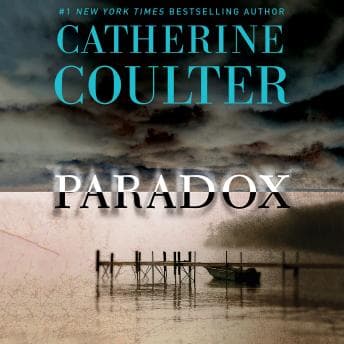

Three hours into a solo surveillance job last Tuesday—client worried about corporate espionage, nothing exciting—when the opening of this book nearly made me spill coffee all over my dash cam setup. Coulter kicks off with an attempted kidnapping of a five-year-old, and suddenly I'm white-knuckling my travel mug instead of watching a parking garage entrance.
That's the good news. The bad news is what happens after that adrenaline spike.
When the Lake Gives Up Its Dead
Here's where Coulter does something genuinely interesting. Chief Ty Christie witnesses a murder from her cottage deck at dawn—solid setup, I'm tracking—and when divers drag Lake Massey, they pull up not just the fresh victim but decades worth of bones. We're talking a mass grave situation that nobody knew existed. A distinctive belt buckle among those remains ties everything back to an escaped mental patient with a vendetta against our FBI protagonists, Savich and Sherlock.
The dual-narrator approach works well here. MacLeod Andrews and Renee Raudman split duties in a way that keeps the multiple storylines straight. Andrews handles the male perspectives with solid authority—his voicing of the escaped psychopath has this unsettling calm that reminded me of interrogating insurgents who knew they had nothing to lose. Raudman brings a different energy to the female characters, particularly Chief Christie, giving her enough grit that she doesn't come across as just another small-town cop in over her head.
What impressed me: both narrators can voice an Irish criminal and a grandmother-demeanor FBI agent in the same chapter without losing me. That's not nothing when you're juggling this many characters.
The Middle Sags Like a Poorly Packed Rucksack
Here's where I've got to be honest with you. After that explosive opening, the pacing stumbles. Some listeners have complained about this, and they're not wrong. Coulter's got multiple investigations running simultaneously—the fresh murder, the lake bones, the escaped patient hunting Savich's family—and sometimes it feels like she's checking boxes rather than building momentum.
I found myself doing math on the surveillance job instead of paying full attention around hour five. Not a great sign. President Is Missing had the same issue—solid setup that couldn't maintain altitude through the middle stretch. The procedural elements are competent but not particularly innovative. If you've read the previous twenty-one FBI Thrillers (and no, I haven't read all of them, Ranger has limits), you know what you're getting: competent agents, twisted villains, family in jeopardy.
The "paradox" of the title connects to the Jekyll-and-Hyde nature of the antagonist, which is fine, but Coulter telegraphs the psychological twists early enough that they don't land with the impact she's clearly going for. I've seen this scenario play out in debriefs—you can't surprise someone who's already mapped your moves.
Coulter Did Her Homework (Mostly)
She's been writing this series for decades, and it shows in the FBI procedural details. The interagency cooperation, the way local law enforcement and federal agents navigate jurisdiction—that rings true. Chief Christie isn't sidelined just because the big-name agents roll into town, which I appreciated. Too many thrillers treat local cops like furniture.
The violence is present but not gratuitous. Some language issues if that matters to you. Quiet Tenant walks that same line—disturbing subject matter handled with restraint rather than exploitation. Nothing that would make me pause the audiobook if Linda walked into the room.
Production quality is clean—no audio hiccups, no jarring transitions between narrators. Both Andrews and Raudman have Earphones Awards, and you can hear why. They build tension when the material gives them something to work with.
Who Gets the Green Light, Who Gets Waved Off
If you're already invested in Savich and Sherlock after twenty-one books, this delivers what you expect. The family-in-danger stakes add personal weight, and the lake mystery provides enough fresh material to justify another entry. If you're new to the series? This isn't the on-ramp. Too much history assumed, too many references to past cases that went over my head. Start earlier. And if you need constant action to stay engaged during long drives or workouts, the middle section might lose you. I'd recommend this more for focused listening when you can track the multiple plot threads.
Ranger's Assessment
Paradox is a serviceable entry in a long-running series—professional narration, competent plotting, some genuinely creepy moments with the escaped psychopath. But it's not going to convert anyone who isn't already a Coulter fan, and that pacing dip in the middle keeps it from being essential listening.
Ranger fell asleep during hour seven, which tells you something. Worth your time if you're already on this mission. Otherwise, there are better thrillers demanding your attention.