
When's the last time you read something written 175 years ago that made you genuinely uncomfortable about your own complacency?
I was sitting in my truck outside a client's office in north Austin - early for a meeting, coffee going cold - and I figured I'd knock out this short listen. Sixty-seven minutes. Figured it'd be easy. A historical artifact, something to file under "classics I should've read in college." Wrong. Thoreau got under my skin in ways I didn't expect, and I spent the rest of that meeting distracted by a dead guy's arguments about government overreach.
The Sermon That Still Draws Blood
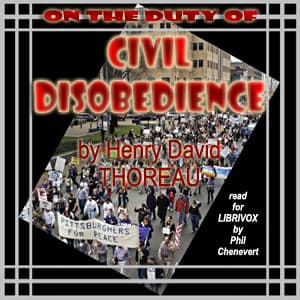
Let me cut to the chase: this isn't really an essay. It's a grenade with the pin pulled. Thoreau wrote this in 1849 after spending a night in jail for refusing to pay a poll tax - his personal protest against the Mexican-American War and slavery. And he doesn't politely disagree with the government. He goes full scorched earth. "That government is best which governs least" is the famous opener, but what hits harder is when he argues that a single honest man standing against injustice is more powerful than a majority voting for convenience.
Here's the thing - I've spent 25 years serving the government Thoreau is eviscerating. Three combat deployments. I swore an oath. And yet... I couldn't dismiss him. His argument about how "even the well-disposed are daily made the agents of injustice" through blind respect for law? I've seen that play out in real life. Not in Concord, Massachusetts, but in places where orders and morality didn't always line up cleanly. The man forces you to examine where your own line is, and that's uncomfortable regardless of your politics.
What surprised me most is how surgical he is. This isn't ranting. He builds his case like a prosecutor - starting with the philosophical foundation, moving through specific grievances about slavery and imperialism, then landing on the individual's moral obligation. The section where he describes his actual night in jail is almost wryly funny. He notices the architecture, observes his cellmate, treats the whole experience like an anthropological field study. Classic Thoreau - too stubborn to be scared, too curious to be bored.
Phil Chenevert and the LibriVox Question
Now, this is a LibriVox recording, so let's set expectations appropriately. You're not getting a studio-polished Audible production. Phil Chenevert delivers a solid, earnest reading that captures the heat in Thoreau's prose. He leans into the abolitionist fire of the text without turning it into a performance - more like a passionate lecture than theater. His pacing works well, letting Thoreau's longer sentences breathe without losing the thread.
Is it the best narration I've ever heard? No. But for a free volunteer recording of a public domain text, Chenevert does the work justice. He clearly understands what he's reading, and that matters more to me than vocal pyrotechnics. One listener called it "excellent," and I wouldn't argue. My only minor gripe is that some of Thoreau's denser philosophical passages could use just slightly more vocal variation to keep you locked in - but at 67 minutes, you barely have time to drift anyway.
Who Needs to Hear This (And Who'll Hate It)
If you've got strong opinions about government - any opinions, any direction - you should spend an hour with this. Thoreau has been claimed by libertarians, anarchists, progressives, and civil rights leaders. Gandhi read him. Martin Luther King Jr. read him. The text is genuinely non-partisan in the way that only foundational philosophy can be. That same quality - a text that gets claimed across the entire political spectrum because it's asking questions bigger than any one movement - is part of what drew me to Tired of Winning, which wrestles with how institutions betray their own foundational principles in ways Thoreau would've recognized immediately.
Skip it if you want entertainment. This is dense nineteenth-century prose and it demands your attention. Don't put this on during a workout or while doing dishes. Sit down, focus, and wrestle with it.
And if you're a veteran like me? This one will make you think about duty in ways the Army never framed it. The oath says "support and defend the Constitution." Thoreau asks: what happens when the government itself betrays that document? He doesn't give you a comfortable answer.
Mission Debrief
Sixty-seven minutes. Free on LibriVox. An essay that helped spark movements from Indian independence to American civil rights. Phil Chenevert reads it with the conviction it deserves. Worth your time? Absolutely - but approach it as a focused listen, not background noise. Ranger slept through the whole thing, which tells you nothing because Ranger sleeps through everything. But I was wide awake.







![Steve Jobs [unabridged audiobook] audiobook cover](/_next/image?url=https%3A%2F%2Fcovers.audiobooks.com%2Fimages%2Fcovers%2Ffull%2F9788499923406.jpg&w=1920&q=75)