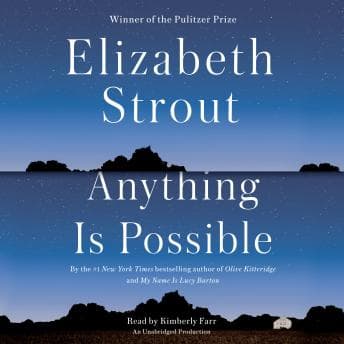

Look, I need to complain about Elizabeth Strout for a second. This woman wrote a seven-hour book where basically nothing happens — no dramatic plot twists, no big crescendo, no climactic confrontation — and yet I'm sitting here at my desk at 11 PM with mascara streaks on my face and Diego purring against my laptop like he knows I need emotional support. How dare she.
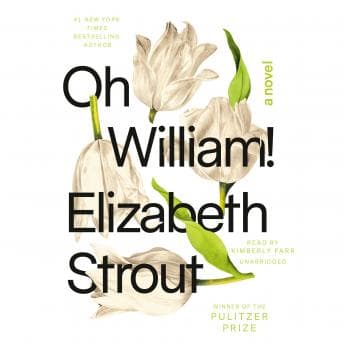
I picked up Oh William! because I'd been designing branding for a therapy practice all week (irony noted) and needed something quiet to listen to, something that wouldn't compete with the precision work. And Strout's prose is so spare, so stripped-down, that it felt like listening to someone think out loud. Lucy Barton just... talks. About her ex-husband William. About his family secrets and his new wife and his annoying habit of wearing that same puffy jacket everywhere. About loneliness that sits in your chest like a stone you've learned to breathe around.
The Kind of Loneliness That Doesn't Have a Name
Here's what got me. Lucy keeps circling back to these small, almost throwaway observations — the way William would stand in the doorway of their old apartment, the particular quality of light in a Maine motel room, the way her dead husband David's absence keeps reshaping itself. She doesn't dramatize any of it. She just... notices. And somehow that restraint is what breaks you. Strout writes loneliness the way it actually feels: not cinematic, not poetic, just this low hum underneath everything.
The family secret that drives the plot — William discovering he has a half-sister from his mother's hidden first marriage — is almost beside the point. It's the excuse for Lucy and William to be together in a car, in a motel, having the kind of conversations that only people who were once married can have. That weird intimacy of knowing someone's body and habits and fears but no longer having any claim to them. My abuela used to say that your first love leaves fingerprints on your soul. This book is about tracing those fingerprints decades later and realizing they're still there.
Kimberly Farr Understands the Assignment
Kimberly Farr's narration is so understated it almost disappears — and I mean that as a compliment. She reads Lucy the way Lucy talks: quiet, a little tentative, circling a thought before landing on it. There's this quality in her delivery where she'll pause just slightly before Lucy says something devastating, like she's deciding whether to actually say it out loud. It mirrors how people talk when they're being honest about something painful but trying not to make it a big deal.
She's not Julia Whelan (nobody is, let's be real), but she doesn't need to be. This isn't a book that needs vocal fireworks. What it needs is someone who can make the sentence "I would like to say a few things about my first husband, William" sound like both an introduction and a confession. And Farr nails that opening line in a way that sets the entire tone — careful, intimate, a little guarded.
Where I wanted more from her was in the secondary characters. William's dialogue sounds pretty similar to Lucy's internal voice, and Catherine (his current wife) doesn't get much vocal distinction either. But honestly, this is Lucy's interior monologue with occasional interruptions from the outside world, so it matters less than it would in a book with a bigger cast.
Comparing Strout to Strout (Because Who Else Writes Like This)
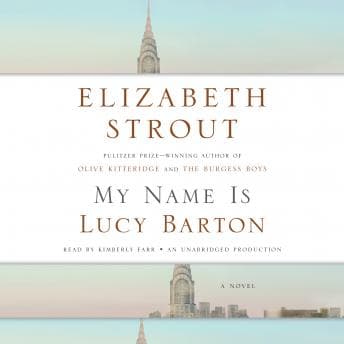
If you've read My Name is Lucy Barton, this is a companion piece — same narrator, same voice, same devastating simplicity. But where that book was about Lucy's relationship with her mother, this one is about the strange, unfinished business of a marriage that ended but never really stopped. It's quieter than Olive Kitteridge, less structurally ambitious, more like sitting with a single feeling for seven hours and letting it change shape.
I kept thinking about how different this is from the romances I usually listen to. No heat, no tension, no will-they-won't-they. Just two people in their sixties who already know each other's answers and ask the questions anyway. And somehow that's more romantic — more real — than half the books on my 2024 romance shelf.
Who This Is For (And Who Should Scroll Past)
An overcast-afternoon listen. A tea-going-cold-beside-you listen. A 1.0x speed book. If you need plot, if you need things to happen, if the phrase "quiet literary fiction" makes you want to throw your phone — skip it. No judgment.
But if you've ever sat across from someone you used to love and felt that specific ache of knowing them too well and not well enough at the same time? My heart. MY HEART. Somewhere my abuela is nodding - she always said the saddest stories are the ones where nobody's the villain, and Lucy and William are her proof.