
"You're not who I thought you were." That line hit me somewhere around hour four, and I had to pull into the hospital parking garage and just... sit there for a minute. Carlos texted asking if I was okay because I was late for breakfast. I blamed traffic. I lied.
Look, I don't usually go for second-chance romances. As someone who's seen way too many people in the ER after bad relationship decisions (don't ask), I'm pretty skeptical of the whole "we failed spectacularly once but let's try again" premise. But Kristan Higgins gets something right here that a lot of romance authors miss: the mess. The actual, ugly, complicated mess of why two people who love each other can still completely fail at being together.
When the Banter Hits Different at 4 AM
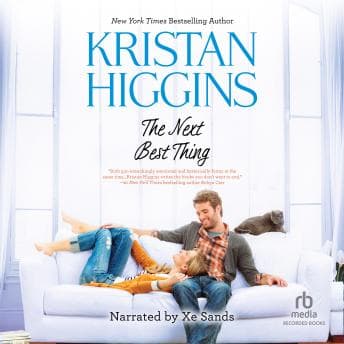
Harper James is a divorce attorney. Nick is her ex-husband. They're forced on a cross-country road trip together while she has an "almost-fiancé" waiting at home. I know, I know—it sounds like a setup for pure chaos, and honestly? It is. Outlander had me doing the same thing—screaming at characters who clearly belong together but keep getting in their own way. But it's the good kind of chaos. The kind where you're yelling "JUST TALK TO EACH OTHER" at your steering wheel while simultaneously understanding exactly why they can't.
Xe Sands narrates this, and she nails Harper's particular brand of defensive sarcasm. There's this quality to her voice—warm but guarded, if that makes sense—that fits a woman who deals with failed marriages for a living and is terrified of examining her own. When Harper gets snippy, Sands doesn't play it for laughs. You can hear the hurt underneath. That's the kind of narrator choice that elevates a book from "enjoyable" to "I'm crying in my car and telling my husband it's allergies."
The pacing does drag in a few spots—there's a middle section with Harper's family dynamics that could've been tightened up. I found myself speeding through some of the sister drama to get back to Harper and Nick's conversations. But when those two are in a scene together? Time flies. I missed my exit twice.
The Family Stuff That Actually Works
Here's where I have to give Higgins credit. The family dynamics—the complicated sister relationships, the parental expectations, the way Harper has built her entire identity around being the "successful" one—felt real. My mom would probably see herself in some of these scenes, and she'd hate that. (She still thinks I should've been a doctor, for the record.)
Harper's not always likeable. She's prickly and defensive and makes choices that had me muttering "girl, no" more than once. But she's human in a way that a lot of romance heroines aren't. Sands doesn't try to soften her edges, and I appreciated that. You get to hear a woman who's genuinely scared of being vulnerable, and that fear comes through in every clipped response and deflected emotion.
Nick, on the other hand—Sands gives him this steady, patient quality that makes you understand why Harper fell for him in the first place. And why she ran. He's the kind of person who sees through her walls, and that's terrifying when you've spent years building them.
The Road Trip as Therapy (Basically)
The forced proximity thing works here because Higgins uses it to actually dig into what went wrong. This isn't just bickering-to-kissing. There are real conversations about failure and expectations and the way we sometimes love people in ways they can't receive. Heavy stuff for a romance, but it never feels preachy.
Perfect for that post-shift decompression, honestly. There's enough humor to keep it light, but enough emotional weight that you feel like you went somewhere by the end. I finished this one parked outside my house, engine off, just letting the last chapter play out.
Carlos asked why I was crying in the car. I blamed allergies. He didn't believe me, but he brought me coffee anyway. That's love, I guess—knowing when someone needs space to feel their feelings about a fictional couple's reconciliation.
Who's This For?
If you want romance that's funny but also kind of gutting in the best way—and you've got patience for some family subplot detours—this one's worth the ten hours. Skip it if you need your heroines warm and fuzzy from page one; Harper earns her softness the hard way. Night shift approved.