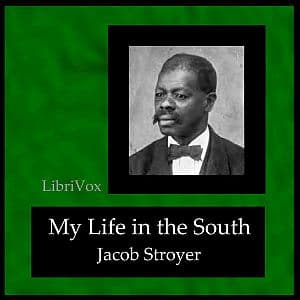

I'm gonna be straight with you - this one hit different. Jacob Stroyer's account of growing up enslaved in South Carolina, surviving the Civil War, and finally tasting freedom isn't some sanitized history textbook version of events. This is a man telling you exactly what happened to him, his family, and everyone around him. And at under three hours, it packs more truth per minute than most 20-hour doorstoppers I've suffered through.
Here's the thing about primary sources from this era - they're rare. I got a similar sense of historical weight from My Confession, another firsthand account that doesn't pull punches. Most enslaved people weren't taught to read or write (by design, obviously). So when you get someone like Stroyer who not only survived but documented it all? You pay attention. The details he includes - the casual cruelty of overseers, the way families were split apart like it was nothing, the absolute chaos when the war ended and suddenly everyone had to figure out what "free" actually meant - this is the real deal. I've read plenty of Civil War histories, but hearing someone describe being forced to help build Confederate fortifications while secretly hoping the Union wins? That's a perspective you don't get from generals' memoirs.
The LibriVox Gamble
Now, about the LibriVox situation. (And yes, I knew what I was getting into.) It's volunteer narrators reading public domain works for free. God bless 'em for doing it, but the quality is... let's call it a mixed bag. Some chapters you get someone who clearly understands the weight of what they're reading - good pacing, appropriate gravity, the kind of delivery that lets Stroyer's words land properly. Other chapters? Pacing issues, the occasional mispronunciation, voices that don't quite match the material. One listener mentioned a British narrator who knocked it out of the park in the later chapters, and I can see why that stuck with people - consistency matters. That's the gamble with LibriVox productions - Story of Mankind had the same narrator roulette, though at least there you expect some unevenness given the scope.
The inconsistency is the real issue here. You're listening to this deeply personal, often painful account of a man's life under slavery, and then suddenly the narrator changes and you're yanked out of the moment. It's like watching a documentary where they keep switching camera crews mid-scene. Distracting. Not a dealbreaker, but definitely something you need to know going in.
Road-Tested With Ranger
Ranger and I listened to this during a long drive to a client site in Houston. (Security assessment for a manufacturing plant - riveting stuff compared to this, let me tell you.) The short runtime worked perfectly for that. And honestly? The uneven narration almost didn't matter because Stroyer's story is so compelling. The man describes watching his mother get beaten, being separated from siblings he'd never see again, and he does it without melodrama. Just... this is what happened. That restraint somehow makes it hit harder.
What really got me was his description of the immediate post-war period. Everyone talks about Emancipation like it was this clean break - slaves freed, problem solved, roll credits. Stroyer shows you the reality: confusion, danger, former enslaved people with no money, no land, no education, trying to figure out survival while their former owners were still right there. It's messy and complicated and nobody comes out looking particularly heroic. That's history, folks. The real version.
Mission Debrief
If you care about American history - actually care, not just the highlight reel - this is essential listening. It's free, it's short, and it's a firsthand account from someone who lived through one of the ugliest chapters of our past. The narration quality varies, but the content is irreplaceable.
Who should listen: Anyone serious about understanding slavery and Reconstruction beyond the textbook version. History buffs who value primary sources over polished retellings. Who should skip: If you need professional production values to stay engaged, grab the text version instead.
I've seen this scenario play out in real life - people who lived through hell, trying to make sense of it afterward, trying to get others to understand. Stroyer did that. The volunteers who recorded this tried to honor it. Not perfectly, but they tried. That counts for something.
Ranger approved this one. Though he did fall asleep during a particularly slow-paced chapter. Can't blame him.








![Steve Jobs [unabridged audiobook] audiobook cover](/_next/image?url=https%3A%2F%2Fcovers.audiobooks.com%2Fimages%2Fcovers%2Ffull%2F9788499923406.jpg&w=1920&q=75)