
The Great Escape (From Grading Papers)
It's 10:45 PM. I have a stack of sophomore essays on The Catcher in the Rye that aren't going to grade themselves. (Spoiler: They all think Holden is "whiny" but fail to see the irony in their own complaints about the assignment.)
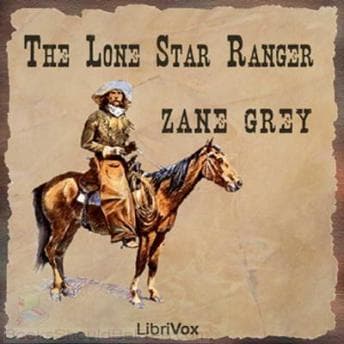
Sometimes, you just need to mentally saddle up and get the heck out of Chicago. You need dust. You need moral ambiguity that gets solved with a six-shooter rather than a parent-teacher conference. That's why I fired up Lone Star Ranger.
I've been on a bit of a Zane Grey kick lately. Maybe it's a mid-life crisis thing—Denise says I should just buy a sports car, but audiobooks are cheaper. This one follows Buck Duane, a guy who inherits a "killer instinct" from his dad. He kills a man (in self-defense, mostly), goes on the run, and eventually tries to redeem himself by becoming a Texas Ranger. It's the ultimate redemption arc. And frankly, after reading thirty essays about "phonies," I needed a hero who actually does something.
The "Porch-Sitting" Narration
Let's talk about Mark F. Smith. If you hang around the audiobook world long enough—especially the public domain stuff—you know the name. Smith also narrates Adventures of Sherlock Holmes, where that same no-frills approach actually works wonders for Doyle's procedural style. He's not an actor. He's not doing a "performance" in the way I usually preach about. He doesn't do distinct voices for every outlaw or damsel.
He sounds like a guy sitting on a porch in a rocking chair, telling you a story while whittling a stick.
Usually, I'm a snob about this. I want the drama. I want the pauses. But here? It works. Smith's voice is clear, straightforward, and relentlessly steady. (My wife, walking past while I was doing dishes, asked if I was listening to a lecture on agriculture. She's not entirely wrong.)
There's no theatrical flair. No accents. When the dangerous outlaw speaks, he sounds exactly like the Texas Ranger captain. It takes a minute to get used to. But once you settle in, it's comforting. It's unpretentious. It fits the prose. Grey writes with this dense, descriptive style—lots of purple sage and endless horizons—and Smith just reads it. He doesn't get in the way.
When the Trail Gets a Little Long
Look, I love a classic, but let's be real. Zane Grey was paid by the word, or he certainly wrote like he was. There are moments in this book where the pacing doesn't just slow down; it stops, sets up camp, and makes a pot of coffee. Smith's How to Live on Twenty-Four Hours a Day has a similar meditative quality, though at least that one is intentionally reflective.
There's a section in the middle—where Duane is just sort of existing in the wild—that drags. I found myself zoning out during a faculty meeting (sorry, Principal Martinez) and realizing I'd missed twenty minutes of the book, yet missed absolutely nothing of the plot. Duane was still just riding.
And the romance? Yikes. He falls for the daughter of the gang leader he's investigating. It's so melodramatic it hurts. But it's also... charming? In an old-fashioned, "gosh darn it" kind of way. My students would tear this apart for being cliché. They wouldn't be wrong. But they'd also be missing the point. We don't read Zane Grey for realism; we read him for the myth.
Final Grade
Is this the best audiobook I've ever heard? No. The narration is a bit flat if you're used to full-cast productions or high-end voice actors. The story wanders. One reviewer mentioned a chunk of the book feels copy-pasted from another Grey novel, and honestly, I believe it. It gets repetitive.
But there's something deeply soothing about it. It's a clean, steady listen. Perfect for long walks or—let's be honest—drowning out the sound of teenagers complaining about homework.
Who should listen: Folks craving a slow, nostalgic Western with zero demands on your attention. Who should skip: Anyone expecting dynamic voice acting or tight plotting—you'll be checking your phone by chapter three.
If you want high-octane thrills, go buy a thriller. If you want to drift through the Texas badlands with a narrator who sounds like your grandfather reading the newspaper, this is your jam. I liked it more than I expected to. Just don't expect fireworks.