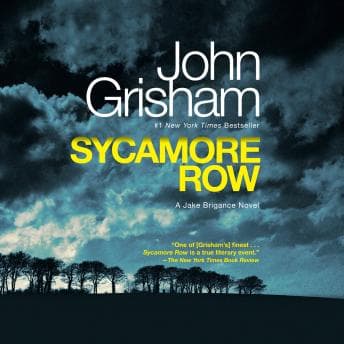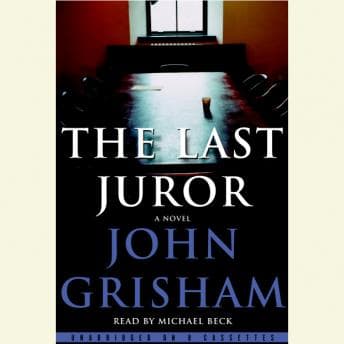

What happens when justice in a small Southern town moves at the same glacial pace as everything else—except revenge?
I finished this one at 4 AM, charting in the break room while the unit was mercifully quiet. The fluorescent lights were humming, my third coffee was getting cold, and Danny Padgitt had just gotten paroled after nine years of a "life" sentence. I actually said out loud, to no one, "Oh, this is about to go sideways." The charge nurse gave me a look. Worth it.
When "Life" Doesn't Mean Life
Here's the thing about this book that got under my skin—it's not really a legal thriller. It's a slow-burn portrait of a Mississippi town in the 1970s, told through the eyes of a 23-year-old college dropout who stumbles into running the local newspaper. Willie Traynor is our narrator within the narrator, if that makes sense, and Michael Beck does something smart with his voice. He keeps Willie slightly detached, observational, like a journalist should be. But when the story shifts to the trial, to Danny Padgitt threatening those jurors right there in the courtroom? Beck's Southern drawl gets an edge to it. You can hear Willie's objectivity cracking.
The murder itself is brutal—a young mother, raped and killed, and Grisham doesn't shy away from the details. As someone who's actually worked trauma cases, I appreciated that he didn't sensationalize it either. It's presented as what it is: horrific, clinical, the kind of thing that destroys a community's sense of safety. That same clinical precision in depicting violence shows up in Whispers, though that one leans harder into the psychological aftermath.
Beck's Mississippi Is the Real Deal
Michael Beck was clearly the right call for this one. His accent work isn't performative—it's lived-in. The way he differentiates between the Padgitt family (old money, dangerous, insular) and the townspeople of Clanton creates this immediate class divide you can hear. The Padgitts sound like they own the county because, well, they do. The sheriff sounds tired. The jurors sound scared. It's not flashy voice acting, but it's honest.
I'll say this though—if you're coming to this expecting Grisham's usual courtroom fireworks, you might be disappointed. The trial happens relatively early. The real meat of the story is the nine years between conviction and parole, watching this town change, watching Willie grow into his role, watching everyone pretend they've forgotten Danny Padgitt's promise to come back for them.
The Pacing Problem (And Why I Didn't Mind It)
Look, some folks are going to find this slow. I get it. There are long stretches about newspaper operations, local politics, church dynamics. Grisham is building a world brick by brick, and not everyone has patience for that.
But here's my take—after a 12-hour shift where I've seen actual emergencies, actual life-and-death stakes, I don't always want my fiction to sprint. Sometimes I want to sit in a story. This one let me do that. Great Train Robbery gave me that same slow-build satisfaction, where the setup is half the pleasure. The 45-minute drive home became almost meditative, Beck's voice painting this humid, complicated little town while Phoenix's early morning traffic crawled past.
The ending, though? That's where I have mixed feelings. When the retribution finally comes, it feels a bit crammed. Like Grisham remembered he was supposed to be writing a thriller and rushed to deliver on that promise. The "who done it" resolution isn't his best work—I figured it out about two hours before Willie did, and I'm not even that good at mysteries. Carlos would've solved it in thirty minutes.
Who This Works For (And Who It Won't)
If you want atmosphere over action, small-town Southern Gothic over courtroom drama, this is your book. If you've got a long commute or a road trip coming up, even better—it rewards dedicated listening rather than background play. You need to track the characters, and there are a lot of them.
Skip this if you need constant tension. If you picked up The Firm and loved the paranoid pacing, this isn't that. It's Grisham in a reflective mood, more interested in how violence echoes through a community than in the violence itself.
Beck's narration elevates material that could've felt meandering. His emotional work in the final hours—when the promises come due—is genuinely affecting. Carlos asked why I was sitting in the driveway for an extra ten minutes. I blamed the traffic.
Charting Complete: Solid Listen, Manage Expectations
This is a 3.5 star book with 4 star narration, which averages out to a solid listen. Not Grisham's best, not his worst, but Beck makes it worth your time. Just know what you're getting into: it's a slow drive through Mississippi, not a high-speed chase. Sometimes that's exactly what you need at 4 AM when the unit is quiet and you're pretending the coffee isn't cold.