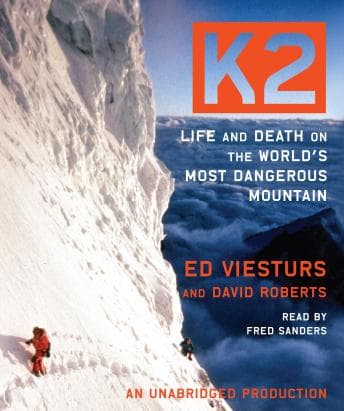

Let me cut to the chase: this is the real deal. Finished it during a long drive back from a client site in Houston, and I pulled over twice just to process what I was hearing. Not because the audiobook demanded it technically, but because some of these deaths—the sheer preventability of them—made me grip the steering wheel hard enough to leave marks.
K2 isn't Everest. Viesturs and Roberts make that abundantly clear in the first hour. Everest has become a tourist attraction with fixed ropes and Sherpas hauling your oxygen. K2? Four times the fatality rate. No commercial expeditions. The mountain doesn't care about your bucket list.
When Ego Meets Altitude
The book structures itself around seven major expeditions, and what struck me—really got under my skin—was how many of these tragedies came down to leadership failures I've seen play out in combat zones. The 1986 disaster that killed thirteen climbers reads like an after-action report on what happens when you have too many chiefs and no unified command structure. Teams from different countries, different objectives, different definitions of acceptable risk. Sound familiar to anyone who's worked coalition operations?
Viesturs brings credibility that armchair mountaineering writers simply can't match. When he describes the 1992 avalanche that nearly killed him and Scott Fischer—how he got into self-arrest position with his ice ax and stopped both their falls—you believe it because he lived it. No romantic gloss on the terror. Just the clinical description of a man who knew he had about two seconds to save two lives.
The 2008 tragedy gets significant coverage, and it's brutal. Eleven dead in thirty-six hours. The Bottleneck section of K2 became a killing ground when a serac collapsed and swept away fixed ropes. Climbers stranded above 8,000 meters in the death zone, some without oxygen, some without light, all without options. The decision-making under those conditions—who to help, who to leave—these are moral questions I've faced in different contexts. They don't get easier with altitude.
Fred Sanders Keeps It Clean
Fred Sanders delivers exactly what this material needs: clear, professional narration that doesn't get in the way. He handles Pakistani place names and European climber surnames without stumbling, which matters when you're tracking multiple nationalities across decades of expeditions. No dramatic voice acting, no theatrical pauses. Just straight delivery.
At 12 hours 39 minutes, this is a commitment. I ran it at 1.25x (my standard) and it held up fine. Sanders' pacing is measured enough that the speed bump doesn't create problems.
Where It Lost Me
Here's my issue, and it's significant enough to dock points: there's a condescending tone that creeps in when analyzing other climbers' fatal mistakes. Viesturs has summited all fourteen 8,000-meter peaks without supplemental oxygen. He's earned his opinions. But the Monday-morning quarterbacking of dead men's decisions sometimes crosses from analysis into judgment.
I've written after-action reports. I've reviewed decisions made by soldiers who didn't come home. There's a way to identify errors without suggesting you'd have done better. Roberts and Viesturs don't always find that line. Doesn't ruin the book, but it created moments where I found myself defending the dead against the living.
The narrative also gets confusing when jumping between expeditions. Multiple teams, multiple years, similar conditions—sometimes I had to rewind to figure out which tragedy we were discussing. A clearer structural framework would've helped.
Who Should Strap In (And Who Should Stand Down)
If you've read Krakauer's "Into Thin Air" and want something with more historical depth and less personal drama, this delivers. I found similar depth in Prince, though the stakes there were artistic rather than life-or-death. If you're a climber, you probably already own it. If you're like me—someone who appreciates extreme competence applied to impossible situations—this is worth your time.
Skip it if you want a feel-good adventure story. K2 doesn't do feel-good. The mountain has a 25% fatality rate for those who summit. Those aren't odds; that's Russian roulette with extra chambers.
Ranger slept through most of this one, which is fine. He's not a mountain dog. But when I stopped the truck and sat there processing the 2008 section, he put his head on my leg. Dogs know.
Mission Debrief
Worth your time? Affirmative. This is serious mountaineering history told by someone who's actually been in the kill zone. The condescension issue and occasional narrative confusion keep it from being perfect, but the core material—the expeditions, the decisions, the deaths—that stays with you. If you want to understand why K2 remains the holy grail of high-altitude climbing, and why that grail keeps claiming lives, start here.