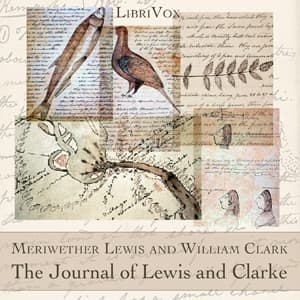

Four hours of I-10 between Houston and home - a stretch I've driven so many times I could navigate it blindfolded. Ranger was snoring in the back seat, and I decided to finally tackle Lewis and Clark's journal. It had been sitting in my queue for months. Figured it was time for actual history instead of another thriller.
Let me cut to the chase: this is not a story. If you're expecting a gripping adventure narrative about two explorers conquering the American West, you're going to be disappointed. What you get is exactly what it says on the tin - a journal. Lists of flora. Fauna. Geographic coordinates. Native American vocabulary. The kind of meticulous record-keeping that would make any intelligence officer proud.
The Mission Brief
Here's the thing about primary sources - they're rarely exciting in the Hollywood sense. Lewis and Clark weren't writing for entertainment. They were writing for President Jefferson, documenting everything they encountered with the precision of men who knew their notes might determine the future of American expansion. And honestly? That's what makes it valuable.
The 1840 edition has some quirks. The language is formal, almost stiff by modern standards. But there's something about hearing these observations read aloud that hits different than reading them on a page. When Lewis describes a new species of bird or documents the customs of a tribe they encountered, you're getting raw intelligence from 1805. No spin. No dramatization. Just the facts as they saw them.
For history buffs - and I mean the serious ones, not the folks who watch a documentary and call it research - this is gold. It's the kind of source material that everything else is built on. But I'll be honest, around hour three, I was fighting to stay focused. The detailed inventories of what they ate, what they traded, what the weather was like - it's thorough to the point of tedium.
Roger Melin Carries the Load
This is where LibriVox gets interesting. You never quite know what you're going to get with volunteer narrators. But Roger Melin - who handles the bulk of this recording - is solid. Really solid. His delivery is clear, his pacing is steady, and he doesn't try to inject drama where there isn't any. Smart choice.
The narration is straightforward, almost military in its efficiency. No theatrical flourishes, no silly voices. Just clean, professional reading that respects the source material. For a journal like this, that's exactly what you want. Melin's not trying to make it something it's not.
The production quality is what you'd expect from LibriVox - clean but basic. No background noise issues, no weird volume fluctuations. It gets the job done. I've heard worse from paid productions, frankly.
Who This Is For (And Who Should Bail)
If you're a student, a researcher, or someone who genuinely wants to understand what westward expansion looked like from the ground level, this delivers. The descriptions of encounters with Native American tribes alone are worth the listen - you get Lewis and Clark's unfiltered observations, for better or worse. It's a window into how early 19th-century Americans viewed the continent they were claiming.
But if you want the adventure story? The dramatic retelling of their journey? Skip this and find one of the dozens of narrative histories written about the expedition. Stephen Ambrose's "Undaunted Courage" is probably what you're actually looking for.
Mission Complete, With Reservations
Look, I've read after-action reports that were more exciting than some sections of this audiobook. But that's not the point. This isn't entertainment - it's education. It's primary source material from one of the most significant expeditions in American history.
I finished it somewhere around Seguin. Did my mind wander during the endless botanical descriptions? Absolutely. Did I appreciate having access to the actual words of the men who made the journey? Yeah, I did. Sometimes the real thing isn't as polished as the retelling - but it's more honest. That's the same raw authenticity I found in Narrative of the Life of Frederick Douglass - unvarnished primary sources that show you history without the Hollywood treatment.
At 1.25x speed, this becomes much more manageable. Trust me on that one.






![Steve Jobs [unabridged audiobook] audiobook cover](/_next/image?url=https%3A%2F%2Fcovers.audiobooks.com%2Fimages%2Fcovers%2Ffull%2F9788499923406.jpg&w=1920&q=75)