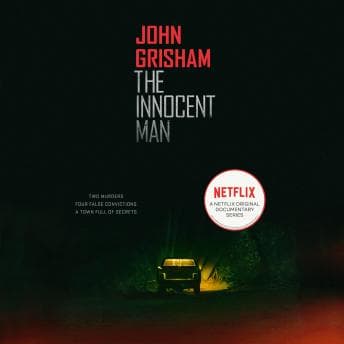

Look, I've read Grisham's legal thrillers for years. Picked them up on deployments when you needed something to shut your brain off between missions. Rogue Lawyer scratched that same thriller itch, but it stayed safely in fiction territory. This one? This isn't fiction. And that changes everything.
I started The Innocent Man during a drive from Austin to Dallas for a client meeting. By the time I hit Waco, I was so angry I had to pull over and walk Ranger around a rest stop just to cool down. This book will do that to you.
When the System Becomes the Enemy
Here's what got me: Ron Williamson was a guy who had everything going for him. Baseball prospect, the kind of small-town hero every Oklahoma kid wanted to be. Then life happened - the drinking, the drugs, the mental health issues nobody wanted to deal with in 1980s Ada, Oklahoma. And when a young woman named Debra Sue Carter was murdered, the local cops needed somebody to blame.
Grisham lays it out like an after-action report. The evidence was garbage. The witnesses lied. The system that was supposed to protect an innocent man instead railroaded him onto death row. And I'm sitting there thinking about every time I've heard "trust the process" from some bureaucrat who's never had skin in the game.
The author clearly did his homework. Every detail is documented, every failure catalogued. It reads like a legal thriller because that's what Grisham knows how to do - but knowing this actually happened to real people? That's the gut punch.
Craig Wasson's Measured Approach
Some folks online complained the narration was too factual, too dry. I get it. But honestly? I think that was the right call.
Wasson doesn't ham it up. He doesn't inject fake drama into something that's already dramatic enough on its own. His voice is steady, clear, almost like a seasoned prosecutor laying out facts for a jury. There's a restraint there that works - because if he'd gotten emotional every time the justice system failed, we'd be listening to someone sobbing for twelve hours.
The pacing is deliberate. Not slow, exactly, but methodical. He gives you time to absorb what just happened before moving to the next travesty. I listened at 1.25x like I always do, and it held up fine. Ranger seemed to approve - he usually gets restless during boring audiobooks, but he stayed quiet through most of this one.
The Part That'll Keep You Up
What really gets me is how close Williamson came to being executed for something he didn't do. We're talking about a system with the power to kill its own citizens, and in this case, that system was broken at every level. Cops who decided guilt before investigating. A prosecutor who withheld evidence. A community that wanted closure more than truth.
I've seen incompetence in my career. I've seen systems fail. But there's something different about watching it happen when a man's life is on the line and nobody in power seems to care.
Grisham doesn't preach. He doesn't have to. The facts do the work.
SITREP: Worth Your Time?
This isn't light listening. Sycamore Row had some of that same weight when Grisham dug into racial injustice, but even that felt lighter than this. Don't put this on during your morning run expecting entertainment. It's heavy, it's infuriating, and it'll make you question things you thought you understood about American justice.
But that's exactly why you should listen to it.
If you're into true crime, legal thrillers, or you just want to understand how badly things can go wrong when the wrong people have power - this is essential. Skip it if you need escapism or can't handle systemic injustice laid bare for twelve hours. Wasson's narration keeps you grounded through the worst of it. The production is clean, no issues there.
Mission accomplished, Grisham. You made me angry. You made me think. And you reminded me why oversight matters - whether you're running a military operation or a murder investigation.
Ranger approved this one. So do I.