
One punch. That's literally all it takes.
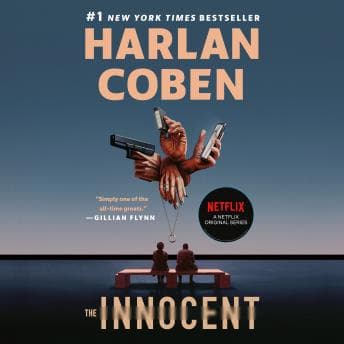
I tell people this all the time—human skulls are fragile, concrete is hard, and "just trying to break up a fight" lands people in my trauma bay every single Saturday night. So when Harlan Coben starts The Innocent with Matt Hunter's life ending over a split-second bad decision, I was already nodding. It felt real. Terrifyingly real.
The Voice of Doom (in a Good Way)
Look, I know Scott Brick is everywhere. I've listened to him narrate everything from history books to sci-fi on my commute, and sometimes his "I am very serious and important" tone drives me up the wall. But here? It works.
He has this crisp, menacing delivery that sounds like bad news waiting to happen. It fits Matt Hunter's paranoia perfectly. You're waiting for the other shoe to drop, and Brick's voice is basically holding that shoe over your head for thirteen hours.
(Though, fair warning: I did crank him up to 1.25x speed. At normal speed, he pauses so much I thought my Bluetooth disconnected. Night shift brain needs a faster pace to stay alert on the I-10.)
Suburbia is a Lie
Coben is the king of "rich people with dark secrets," right? Hold Tight works that same blood-pressure cuff, squeezing normal parents until the respectable-neighborhood mask starts slipping. Compared to the newer domestic thrillers flooding the market—the ones trying way too hard to be Gone Girl—this felt grounded. It's not just about the twist; it's about the guilt.
Matt is trying to be normal. Pregnant wife, white picket fence, the whole dream. And then—bam. One phone call.
The way the story spirals from "weird phone call" to "FBI agents and murder" is classic Coben. Boy from the Woods has that same Coben habit of turning one loose thread into a full code-blue situation. Messy. Stressful. Perfect for decompressing after a shift where I had to be the calmest person in the room. I could let Matt panic so I didn't have to.
The "Is This Realistic?" Check
Usually, I'm yelling at my dashboard because an author thinks you can shock a flatline (you can't, Carlos is tired of hearing me say it). But the medical/trauma aspect here took a backseat to the psychological stuff, which I appreciated.
The violence, when it happens, isn't glorified. It's ugly. And the consequences stick. Matt isn't some super-spy; he's an ex-con who knows exactly how fast the system can chew you up. That desperation? I see it in patients' eyes all the time. Coben nailed that feeling of being cornered.
Did I guess the ending? Part of it. But honestly, I didn't care. I sat in my driveway for ten minutes after pulling in just to finish the chapter. The ice cream melted. Worth it.
Who's This For?
If you want a thriller that earns its tension through guilt and consequences rather than cheap shocks, this one delivers. Great for long commutes or overnight shifts when you need something gripping but not gory. Skip it if Scott Brick's deliberate pacing makes you twitchy—even at 1.25x, he takes his time.
Clocking Out
Solid suburban nightmare fuel. The kind of book that reminds you how one bad moment can unravel everything—something I don't need reminding of, but somehow found comforting to hear in fiction. Go figure.