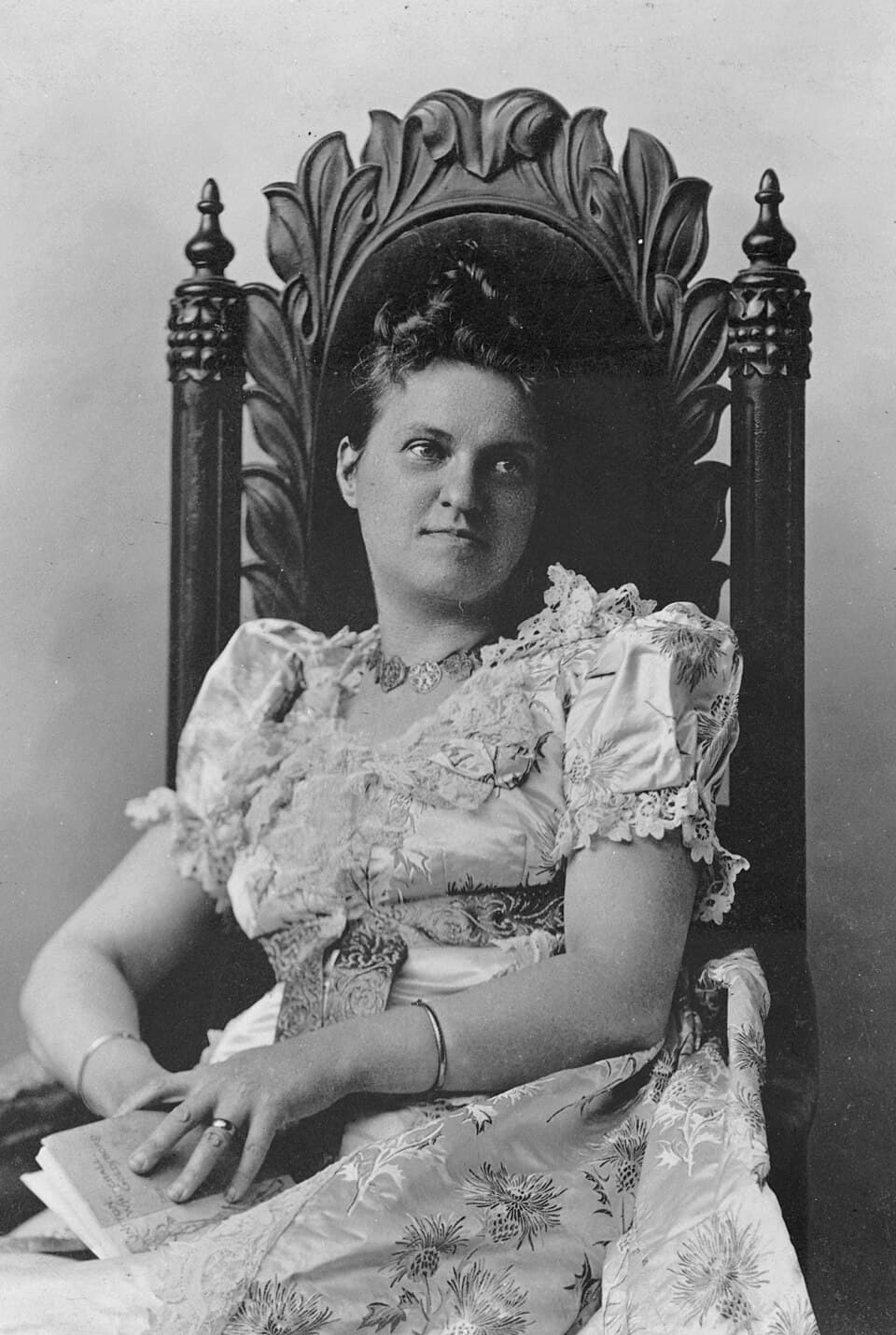

Anna Katharine Green deserves better than what most people give her.
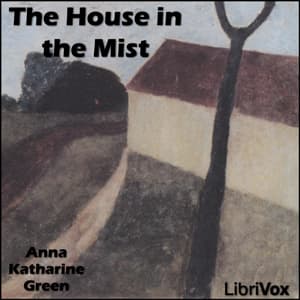
I say this as someone who has spent an embarrassing number of podcast episodes tracing the genealogy of American gothic fiction, and Green's name comes up constantly - not as a footnote, but as a foundation. She was writing detective fiction before the genre even had a name. Before Agatha Christie. Before Dorothy L. Sayers. And House in the Mist is her doing what she does best: taking a gothic premise - stranger stumbles into a creepy house on a dark night - and wrapping it in a mystery that actually respects your intelligence.
I found this one while reorganizing the library's digital catalog on a rainy Tuesday afternoon (Oregon in autumn, so basically every Tuesday). Under two hours. Free on several platforms. A perfect little curiosity from 1905. I queued it up on my phone and listened while shelving returns in the back room, which turned out to be accidentally perfect - dim overhead fluorescents, the rustle of old pages, and Green's prose unfolding in my ears like a ghost story told at a dinner party where everyone's hiding something.
Shirley Jackson Walked So Green Could Build the House
Here's the thing about House in the Mist that got me: the setup is almost deceptively simple. A young man, caught in terrible weather, finds shelter in a remote house where a group of relatives have gathered for the reading of a will. Classic locked-room-adjacent premise. But Green doesn't just use the house as set dressing - the will itself becomes the mystery engine. There are conditions attached to it, strange ones, and the tension comes not from a body on the floor but from the slow realization that everyone in that room has a reason to lie. Green's legal mind is on full display here. The woman understood inheritance law, property disputes, the particular ways money makes people monstrous. It's period-specific in the best way - you feel the weight of 1905 social norms pressing down on every interaction.
At under two hours, the pacing is tight. Almost too tight. There's no fat on this story, which means Green trusts you to keep up with the implications of each revelation rather than spelling them out. I appreciated that. But it also means if your attention drifts for even a few minutes, you'll miss a critical turn.
The Narrator Problem
Okay. This is where I have to be honest, and it's going to sting a little.
Crln Yldz Ksr (Carolin Kaiser) delivers a narration that is... polarizing, and I understand why. The pacing is solid - she moves through Green's dense Victorian prose at a clip that keeps things from feeling stagnant, and her enunciation is clear enough that you won't lose track of the plot. That matters with prose this old. Green wrote in long, winding sentences full of semicolons and subordinate clauses, and Kaiser handles the syntax without stumbling.
But - and this is the but that kept nagging at me - the performance lacks commitment to character. In a story where a room full of people are all performing their innocence, I needed distinct voices. I needed the narrator to act. To give me the oily cousin versus the anxious widow versus the protagonist's growing unease. What I got instead was competent reading. Clear, paced well, but flat where it needed to be sharp. When the central mystery pivots on who in the room is trustworthy, vocal differentiation isn't a luxury. It's a necessity.
The narrator commits. That's rare. But here? She doesn't commit enough. She's reading the text faithfully without inhabiting it, and for a story this dependent on interpersonal tension, that's a real loss.
Who Gets Invited to This House
If you're a gothic fiction completist, a mystery history nerd, or someone who's ever wondered what American detective fiction sounded like before it became hardboiled - this is worth your time. It's short. It's free or cheap on most platforms. And Green's craft is genuinely impressive for its era.
If you need your narrators to give you full theatrical range? This particular recording might frustrate you. There are other versions floating around on LibriVox - I'd honestly say shop around before committing to this one.
And if you scare easily? You're fine. This isn't horror. But the dread Green builds through social manipulation and legal maneuvering is its own kind of creepy. The monsters here wear mourning clothes and know exactly how much the estate is worth. That slow-burn dread built from human ugliness rather than supernatural threat is something I also found in Bone: A Short Horror Story — different era, far shorter, but the same principle at work: the real horror is what people are willing to do.
Filed Under: Required Reading for the Genre-Curious
My podcast listeners are going to love this - not because it's the scariest or the best-performed, but because it's a missing piece of the puzzle. You can draw a direct line from Green's plotting to Christie's locked-room maneuvers, and that matters. Shirley (my cat) was unimpressed. She slept through the whole thing on a stack of returns. But I walked away thinking about how a 119-year-old novella about a will reading still manages to make greed feel genuinely menacing. Green understood something fundamental: the scariest thing in a room full of strangers isn't the dark outside. It's the math everyone's doing in their heads.