This is not a business book. Let me get that out of the way. But it's a book about family business - the kind where the currency is loyalty, trauma, and love so fierce it leaves bruises. I started this one late on a Sunday night, couldn't sleep, Jenny already out cold beside me, and I figured eight hours of someone else's family dysfunction might put my own in perspective.
It did. Just not the way I expected.
The Dry Cleaning Business of the Soul
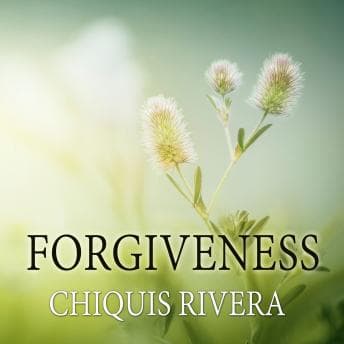
Chiquis Rivera's story hit me in a place I wasn't ready for. Not because of the fame or the music industry stuff - I couldn't care less about that. It's the immigrant family dynamics. The unspoken debts between parent and child. The way love gets expressed through sacrifice and control instead of words. My parents never abused me, but that thing Chiquis describes - where your mother's approval becomes the oxygen you can't stop chasing even when it's killing you? I know that architecture. A lot of Korean-American kids do.
The book's core tension isn't really about Jenni Rivera's death, though that's the hook. It's about the rift that opened between mother and daughter before the plane crash - accusations of betrayal, a public falling out, and then... no chance to fix it. Ever. That's the gut punch. Chiquis is essentially writing a letter to someone who can never read it, and the audiobook format makes that feel almost unbearably intimate. Ariel Levy does something similar in Rules Do Not Apply — writing toward a loss that can't be undone — but Chiquis is working with a wound that's older and messier than grief alone.
The childhood abuse sections involving her father are brutal and necessary. She doesn't sensationalize it, but she doesn't flinch either. There's a passage where she describes the moment she finally told Jenni what happened, and how her mother's reaction was both protective fury and something more complicated - and that complexity is the most honest thing in the book.
Arika Rapson Gets the Assignment (Mostly)
Here's where it gets divisive. Arika Rapson narrates instead of Chiquis herself, which is an interesting choice for a memoir this personal. Rapson captures the emotional weight well - when Chiquis writes about her brothers and the tough love from Jenni, you can hear the narrator leaning into that pain without tipping into melodrama. But I get why some listeners bounced off it. There's something slightly removed about hearing someone else voice your deepest trauma. It's like watching a really good actress play your mother - technically skilled, emotionally accurate, but you know it's not her.
At 2.0x, Rapson's delivery still lands emotionally, which tells me the pacing in the recording is a touch slow at normal speed. I'd say 1.25x is the sweet spot for most people. You want space to absorb the heavier sections, but the book does meander through chronological details that don't all earn their runtime.
What My Parents Would Say
My mom would've read this in Korean and cried. My dad would've said "why is she telling everyone her business?" And that generational gap - between processing trauma publicly and burying it under 14-hour workdays - is actually what makes Chiquis's story matter. She's breaking a cycle. The book isn't always elegant about it. Some sections feel like therapy sessions transcribed rather than shaped into narrative (and honestly, there are moments where I wanted an editor to push harder on the "so what" of certain childhood anecdotes). But the central argument - that forgiveness isn't about the other person, it's about refusing to carry poison - that lands. Dying to Be Me makes the same case from a completely different direction — Anita Moorjani arriving at radical self-forgiveness through a near-death experience rather than a lifetime of family wreckage — and I found myself believing both of them, which says something about how universal that particular reckoning is.
This is what my parents did instinctively. Now it has a TED talk. Except Chiquis earned her version through something far uglier than most TED speakers have survived.
The book's weakest stretch is the middle third, where industry drama and relationship details dilute the emotional core. I found myself checking the progress bar around hour 4-5, which at 2.0x means I was genuinely restless. Skip to chapter 5. Thank me later. (Okay, don't actually skip the early chapters - the abuse disclosure needs context. But the middle could've been tighter.)
Who Gets the Most Out of This
If you grew up in a family where love was loud, conditional, and all-consuming - Latino, Korean, whatever - this book will find your nerve endings. If you're here for celebrity gossip about Jenni Rivera, you'll get some, but you'll also get more than you bargained for. If memoirs about abuse are triggering for you, take the content warnings seriously. This isn't light listening.
Jenny would say I'm being harsh. Jenny is right. But I'll also say this: Chiquis Rivera wrote something braver than 90% of the CEO memoirs on my shelf. Those guys talk about "vulnerable leadership" while carefully managing their image. Chiquis actually bleeds on the page. The execution isn't perfect, but the courage is real.
Bottom Line: Worth the Credit, Not the Hype
Bottom line: This is a flawed, overly long memoir with about five hours of genuinely powerful material buried inside eight. The narration works for most listeners but isn't universally loved. It's not a business book, but it taught me more about resilience than the last three business books I finished. My parents' dry cleaning business survived because they refused to quit. Chiquis survived because she refused to stay silent. Different arena, same muscle.