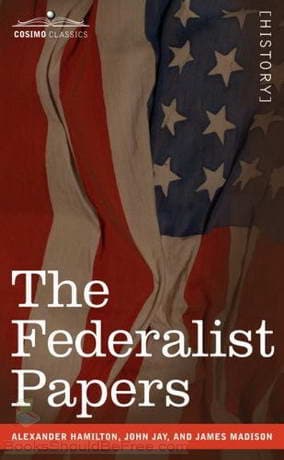

Look, I'm gonna be straight with you - 21 hours of 18th century political philosophy isn't exactly a beach read. But here's the thing: if you've ever gotten into an argument about the Constitution (and living in Texas, I get into about three a week), this is the source material. The actual playbook. Hamilton, Madison, and Jay laying out exactly what they were thinking when they built this thing.
I knocked this out over about two weeks of client visits - lots of I-35 windshield time between Austin and Dallas. Ranger slept through most of it, which honestly might be the appropriate response to Federalist No. 44's discussion of state taxation powers. But I stayed awake. Mostly.
Here's where it gets complicated. This version has multiple narrators, and the quality is... uneven. Same issue I had with World War Z - when you've got multiple narrators, you're rolling the dice on consistency. Some of these folks clearly understood the assignment - clear delivery, appropriate gravitas for founding documents, the kind of voice that makes you sit up straighter in the driver's seat. Others? Meh. There's this one narrator (I couldn't pin down which papers he covered) who had these weird pronunciation choices that kept pulling me out of the content. Like he'd never actually heard some of these words spoken aloud before. And at least one section felt like the narrator was reading his grocery list instead of, you know, the philosophical foundation of American government.
The good narrators though - they get it. They understand this isn't meant to be entertainment. It's meant to be education. Clear, measured, letting Hamilton's occasionally overwrought prose speak for itself. (And man, Hamilton could be overwrought. The guy wrote like he was getting paid by the word. Which, actually, he might have been.)
Now let me cut to the chase on the content itself. These papers are brilliant. Full stop. I've read excerpts before - everyone who went through War College has - but hearing the complete arguments laid out sequentially hits different. You start understanding why they made the choices they made. The separation of powers stuff in particular. When you've spent 25 years in an organization with a very clear chain of command, hearing the founders argue about why they deliberately built in friction and competing interests... it's illuminating. That understanding of operational structure under pressure is what made Lone Survivor hit so hard for me - different era, same questions about command decisions and institutional design.
The pacing is what you'd expect from 1787. These guys weren't writing for the TikTok generation. Some papers are dense as a brick. Others are surprisingly readable - Madison especially has moments where you can almost hear him getting frustrated with his opponents. "Publius" (their shared pen name) occasionally gets salty, and those are the best parts.
Worth your time? Here's the debrief: If you're a student of American history, absolutely. If you've ever wanted to actually understand what "originalism" means when people throw that term around, this is required listening. If you're in my line of work - security, government contracting, anything where you're dealing with federal structures - it's useful context. Skip it if you need action or narrative drive to stay engaged. This is dense primary source material, not storytelling.
But I won't sugarcoat it. This is work. It's not a thriller. Nothing explodes. (Linda would be shocked I finished it.) You're going to zone out during some of the more technical discussions about commerce clauses and judicial appointments. That's fine. Back it up, listen again. I did that probably a dozen times.
The production quality is clean - no weird background noise or music issues. Just voices and content. Exactly what you want for something like this.
My recommendation: listen at 1.25x or even 1.5x if you're comfortable with it. The formal 18th century prose can drag at normal speed, and speeding it up actually helps with comprehension somehow. Makes it feel more like a conversation and less like a lecture.
One thing that struck me - and I've seen this play out in real life - is how relevant these arguments still are. They're debating federal vs state power, executive authority, the role of courts. Same fights we're having now, just with better vocabulary and worse dental hygiene.
Mission accomplished? Yeah, I'd say so. Not every narrator earned their paycheck, but the source material is irreplaceable. This is the homework you should've done in high school but didn't. (Don't tell my wife I admitted that.)
Ranger approved this one. Though to be fair, he approves anything that keeps me in the truck with him.




![Steve Jobs [unabridged audiobook] audiobook cover](/_next/image?url=https%3A%2F%2Fcovers.audiobooks.com%2Fimages%2Fcovers%2Ffull%2F9788499923406.jpg&w=1920&q=75)